


- Location: Al Falah District, Tripoli, Libya
- Year: 2008
- Client: Housing and Infrastructure Board, Libya (HIB)
- Designer: -
- Site Area: 574 hectares
- Built-up area: Approximately 1,708,000 sqm
- Use: Public Park
- Phase: Under Construction
- Role: ECOU Project Coordinator
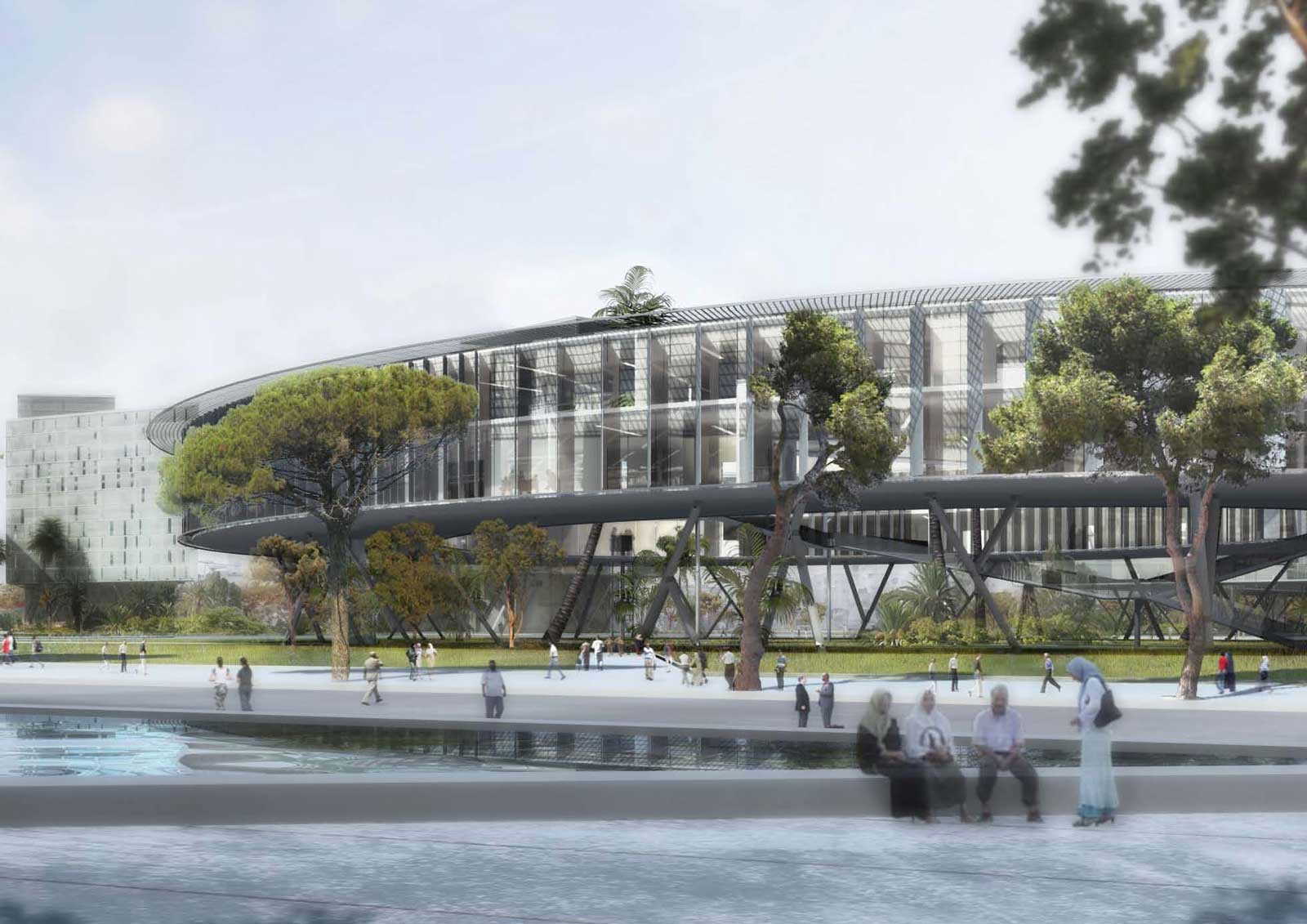

Al Fallah Urban Project: A Vision for Sustainable Urban Transformation
Tripoli, Libya
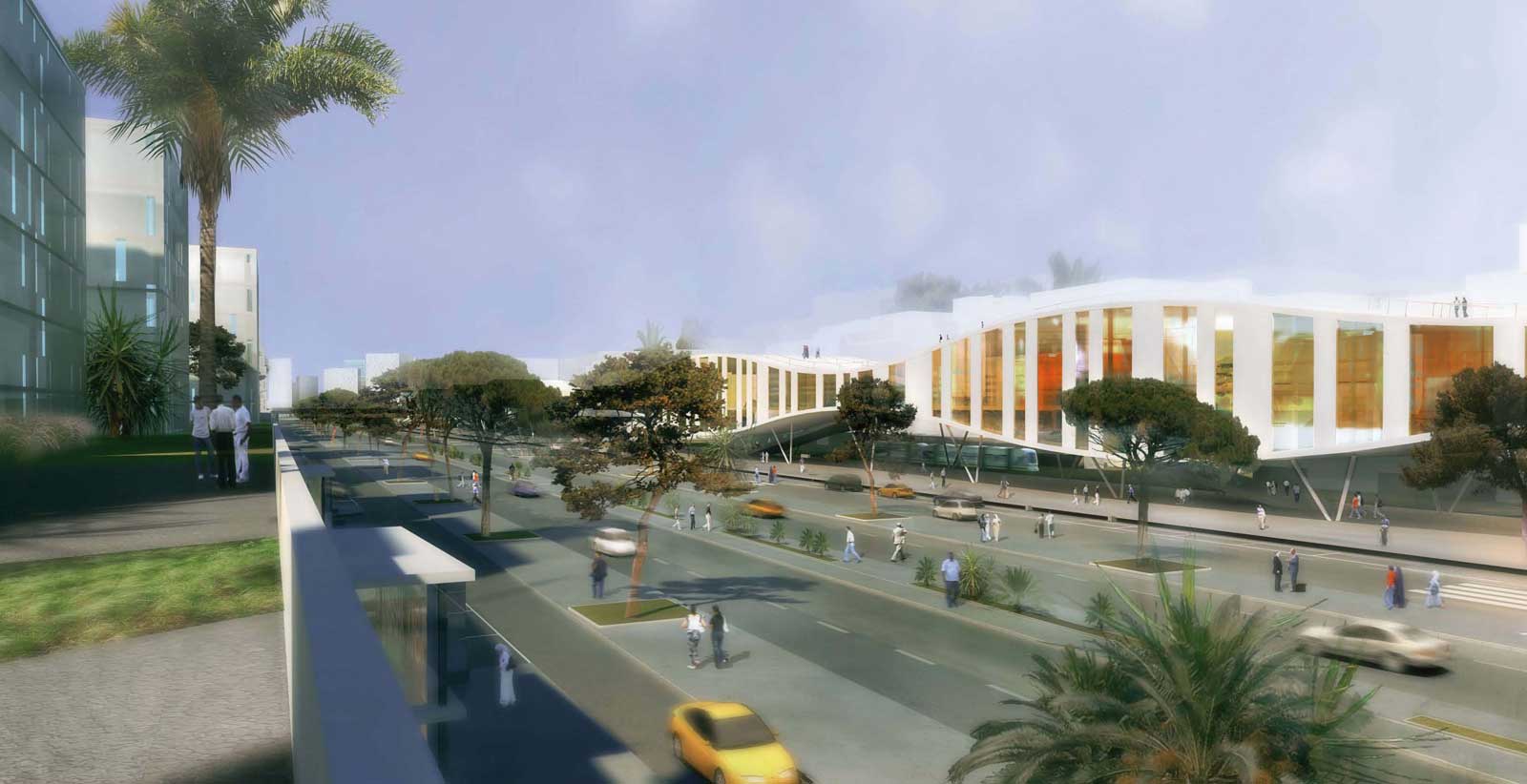
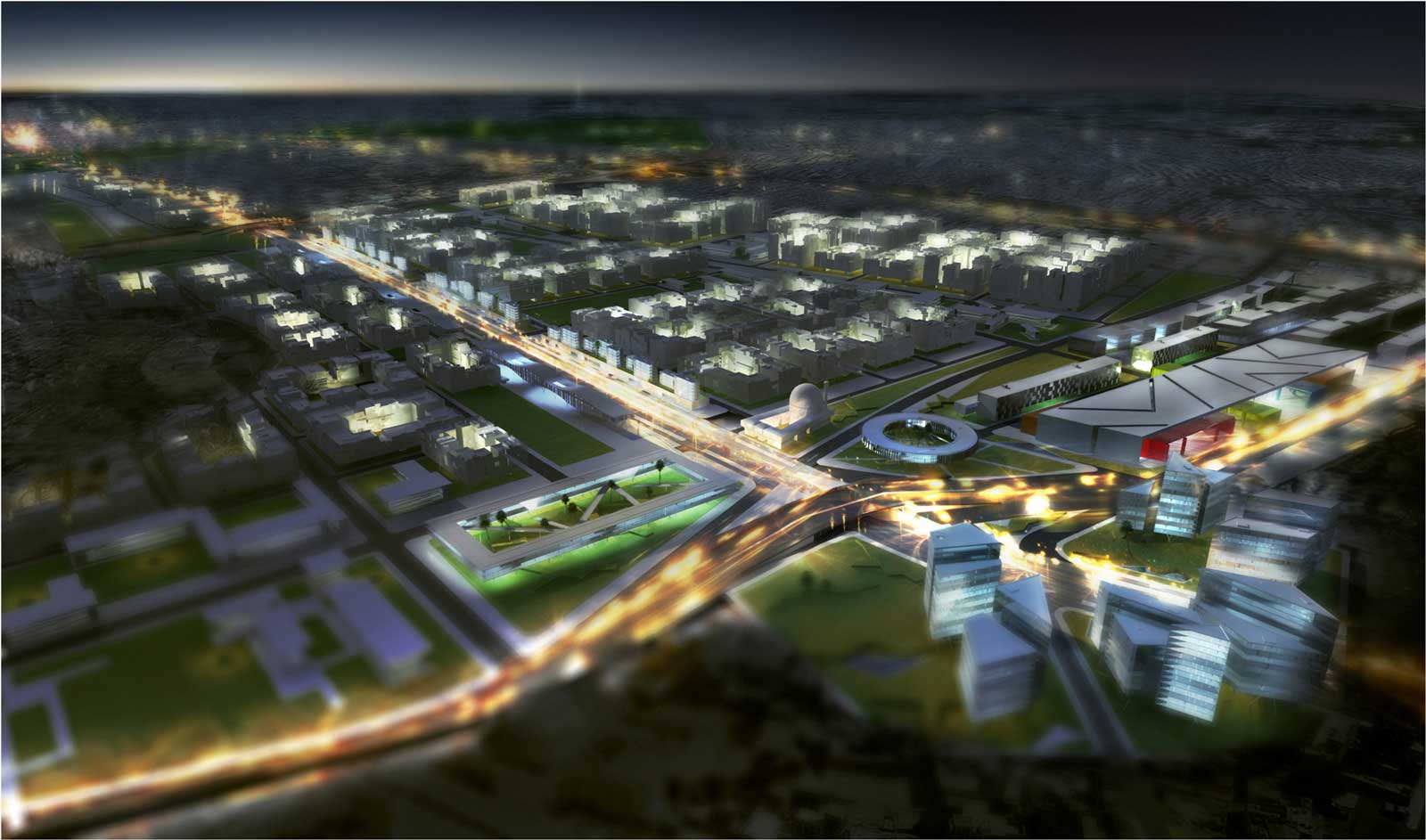
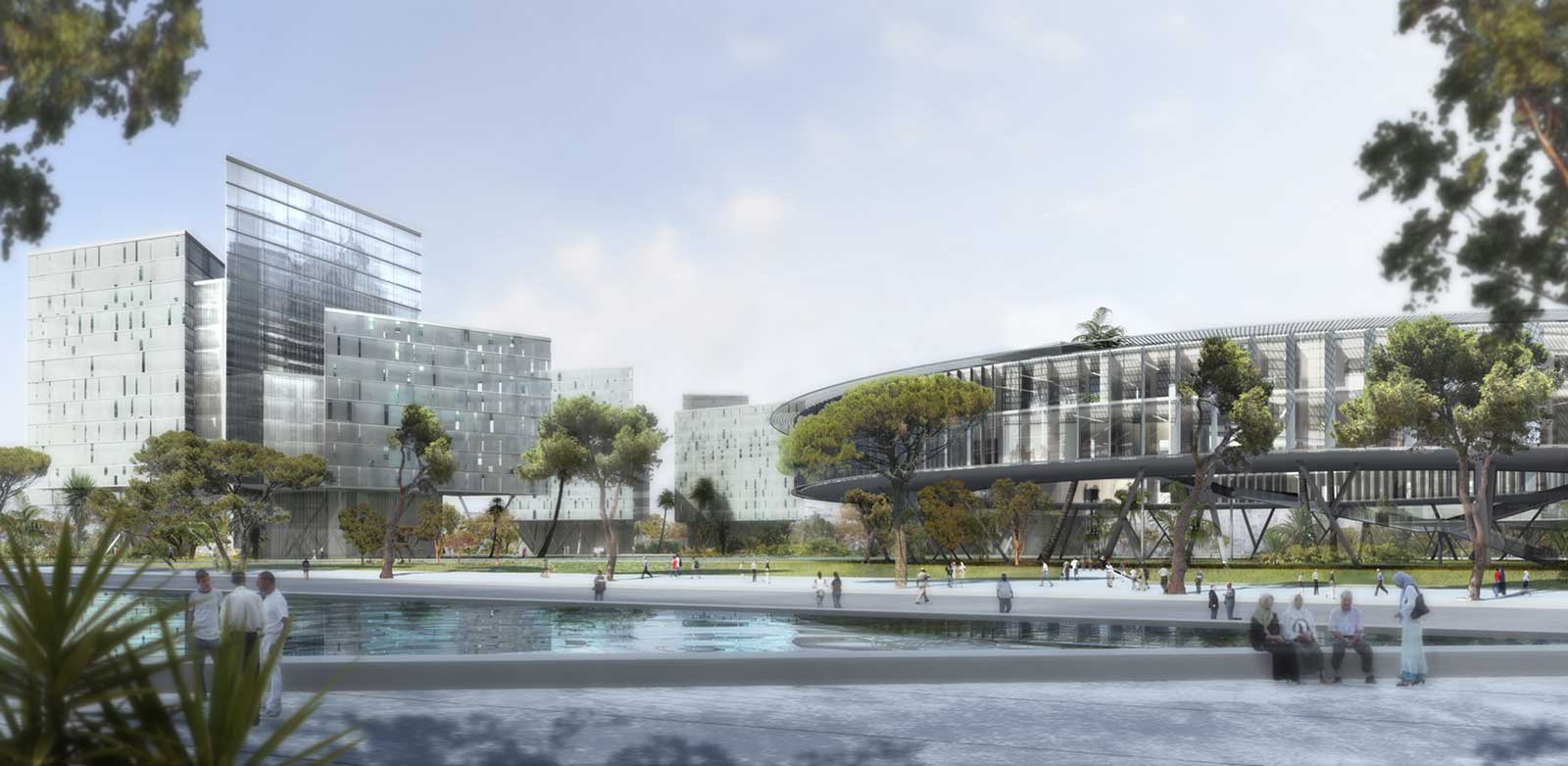
The Al Fallah Urban Project is an ambitious initiative aimed at redefining urban living in Tripoli by integrating residential, commercial, and green spaces into a cohesive and sustainable framework. Positioned strategically at the intersection of historical pathways and modern expansion zones, the project seeks to harmonize cultural heritage with contemporary urban needs.
Urban Design Concept
The design evaluates three distinct urban scenarios, each developed to address specific spatial and demographic needs while maintaining flexibility for future expansion. Central to the concept is the transformation of Al Fallah into a vibrant, interconnected urban district, rooted in the principles of environmental sustainability, spatial efficiency, and cultural resonance.
Core Components
Residential Zones
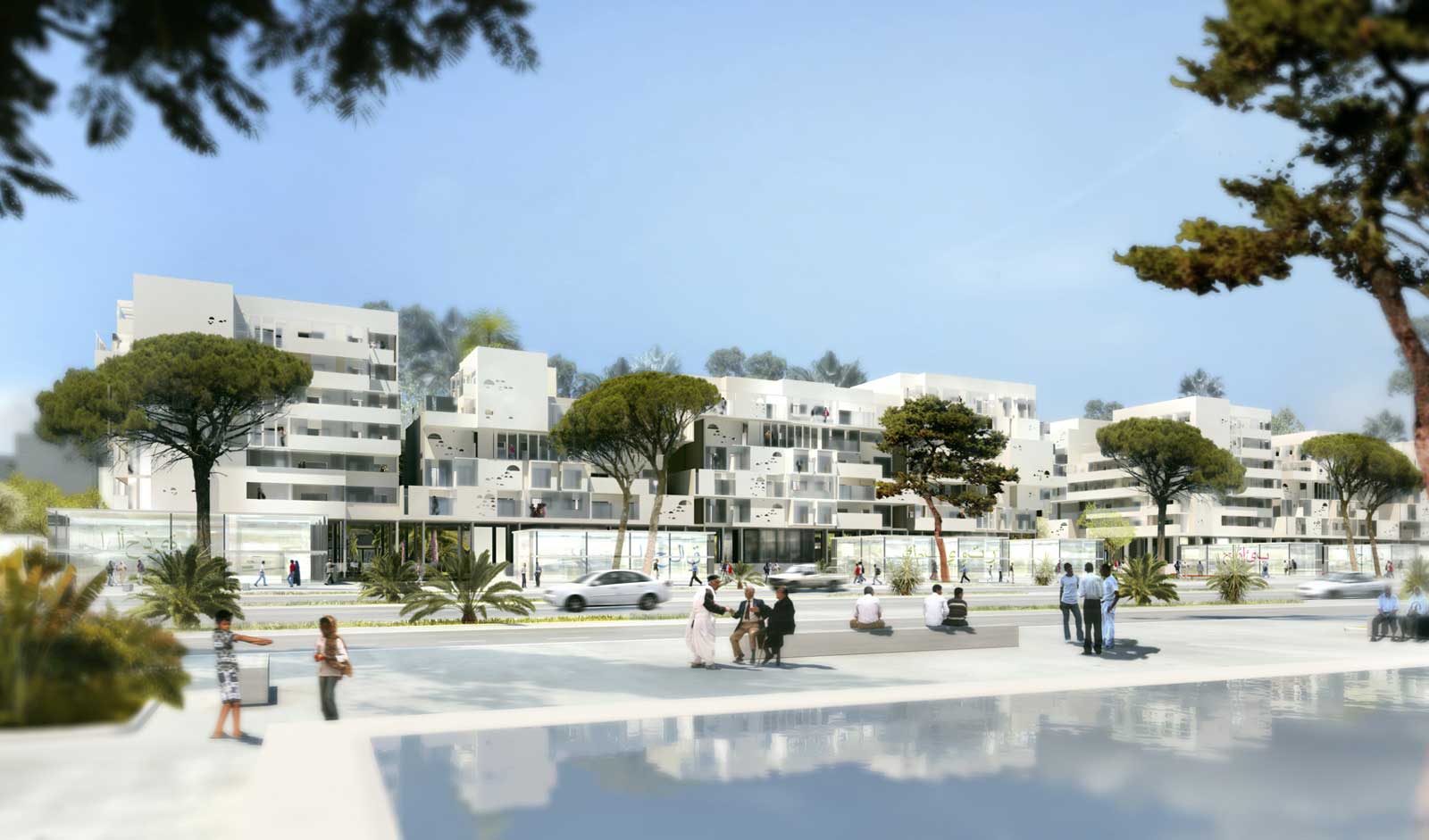
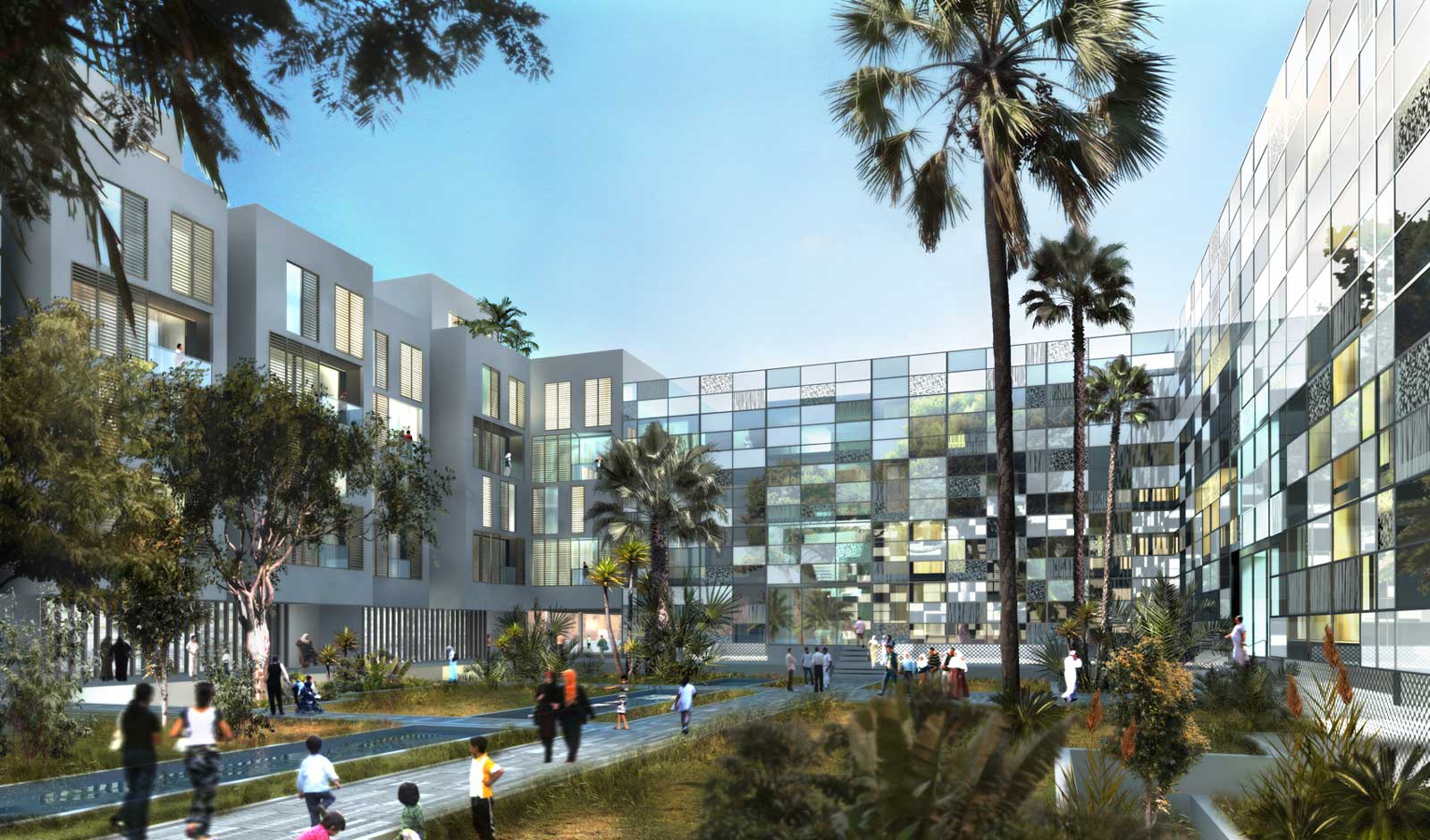
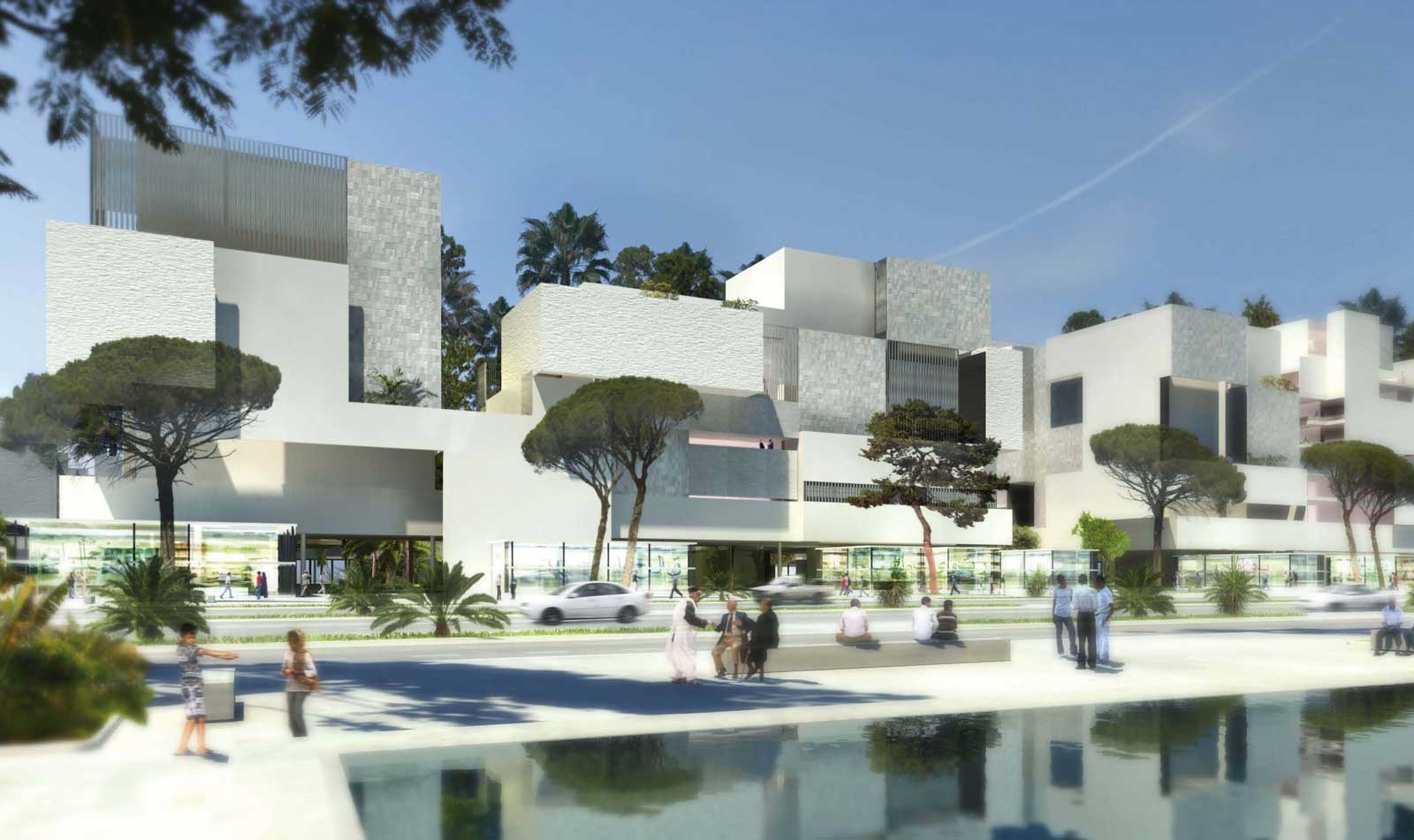
- Designed to accommodate 21,000 to 35,000 residents across low, medium, and high-density neighborhoods.
- Housing typologies range from compact units (120–140 sqm) to expansive family dwellings (240–260 sqm), with a total provision of 4,220 to 7,000 units depending on the selected variant.
Green and Open Spaces
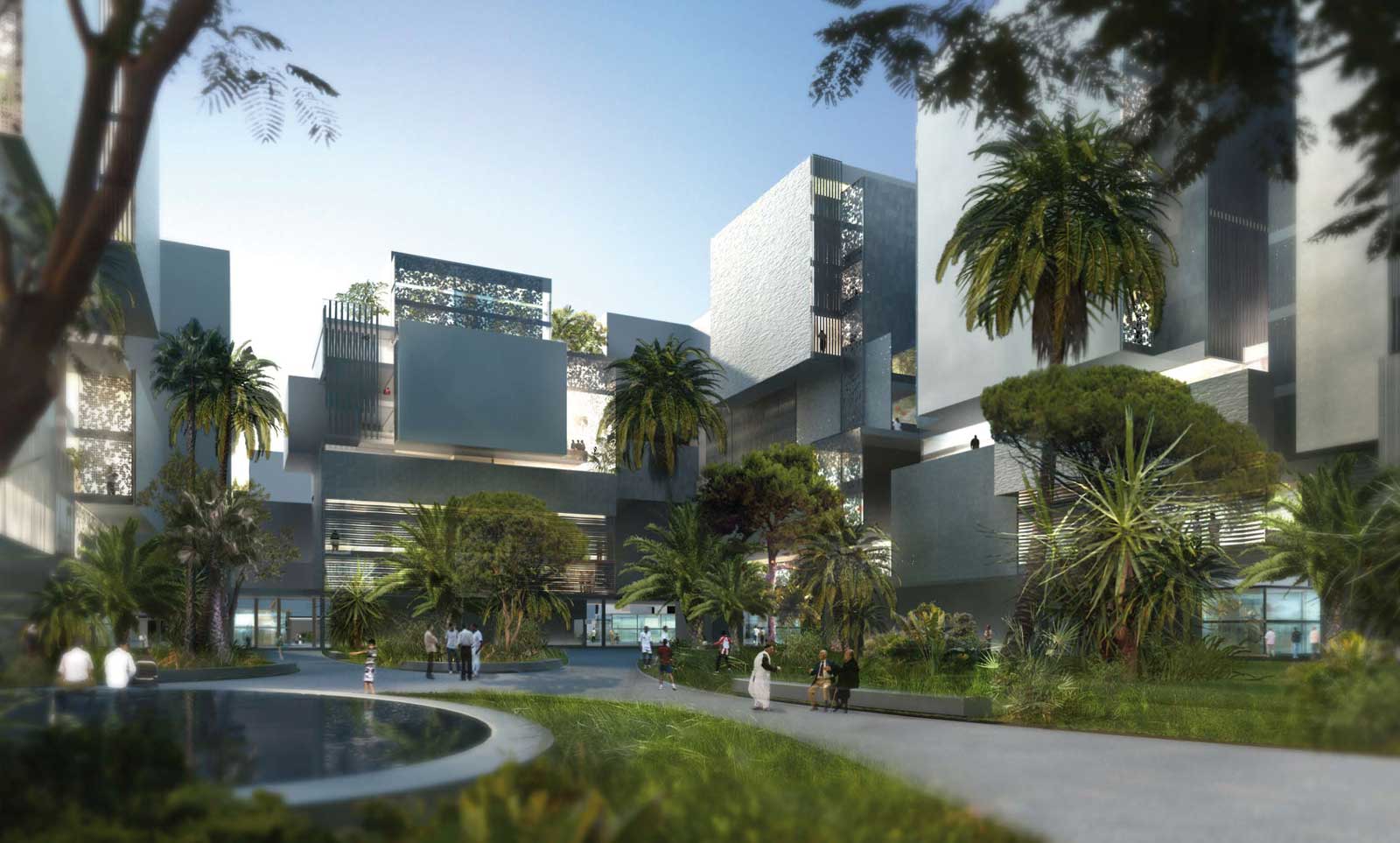
- Between 347,000 and 510,000 sqm allocated for parks, recreational areas, and green corridors.
- Seamless integration of greenways links the Tripoli Green Belt to Wadi recreational areas and local communities.
Commercial and Business Districts
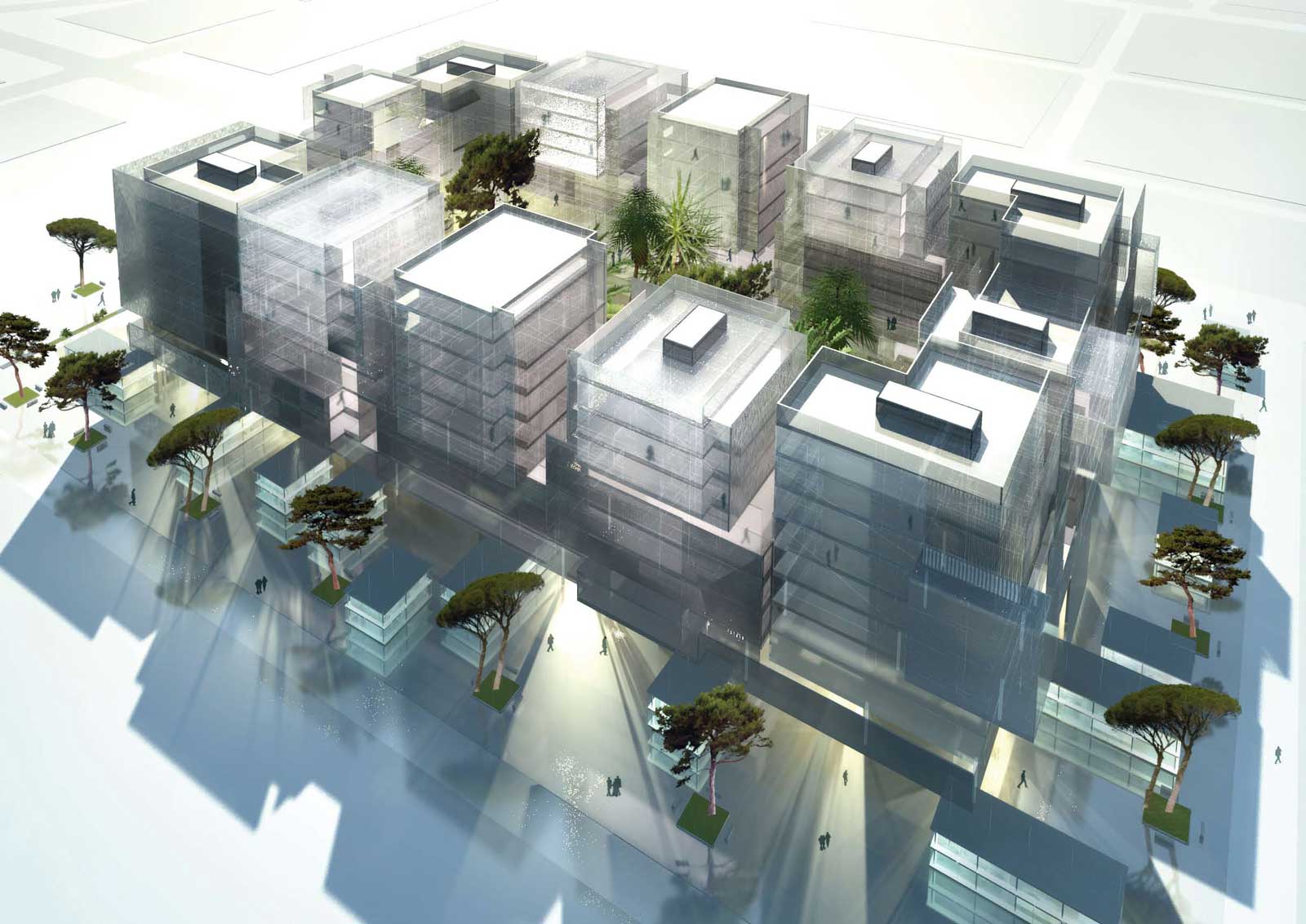
- A focused network of business and mixed-use spaces, ranging from 135,000 to 210,000 sqm, with high-density hubs positioned along Al Fallah Road and other arterial routes.
Social Infrastructure
- Facilities for education, healthcare, and community services covering 280,000 to 530,000 sqm, strategically distributed to enhance accessibility and serve diverse neighborhoods.
Variants of Urban Strategy
Centralized Urban Boulevard
- Establishes a dynamic central spine blending commercial, cultural, and residential functions.
- Focuses on neighborhood centers linked via green corridors.
- Serves a population of 21,000 with 4,220 housing units.
Split Traffic Lanes with Central Activities
A dual-lane road design surrounding a central activity zone, separating commercial and residential flows.
Envisions housing for 21,500 residents across 4,300 units.
High-Density Urban Core
- Maximizes population density near Al Fallah Road to create a walkable, activity-rich district.
- Accommodates 35,000 residents within 7,000 housing units.
Environmental and Sustainable Design
The project prioritizes ecological restoration through soil rejuvenation, strategic green space integration, and microclimate optimization. By reconfiguring underutilized commercial zones into residential and ecological spaces, the plan significantly reduces pollution and elevates overall urban livability.
Conclusion
The Al Fallah Urban Project represents a forward-looking vision for urban development in Libya, merging cultural identity with contemporary sustainability principles. Its innovative approach to spatial planning and infrastructure development establishes a benchmark for holistic urban renewal, envisioning Tripoli as a model of sustainable urbanism on a global scale.