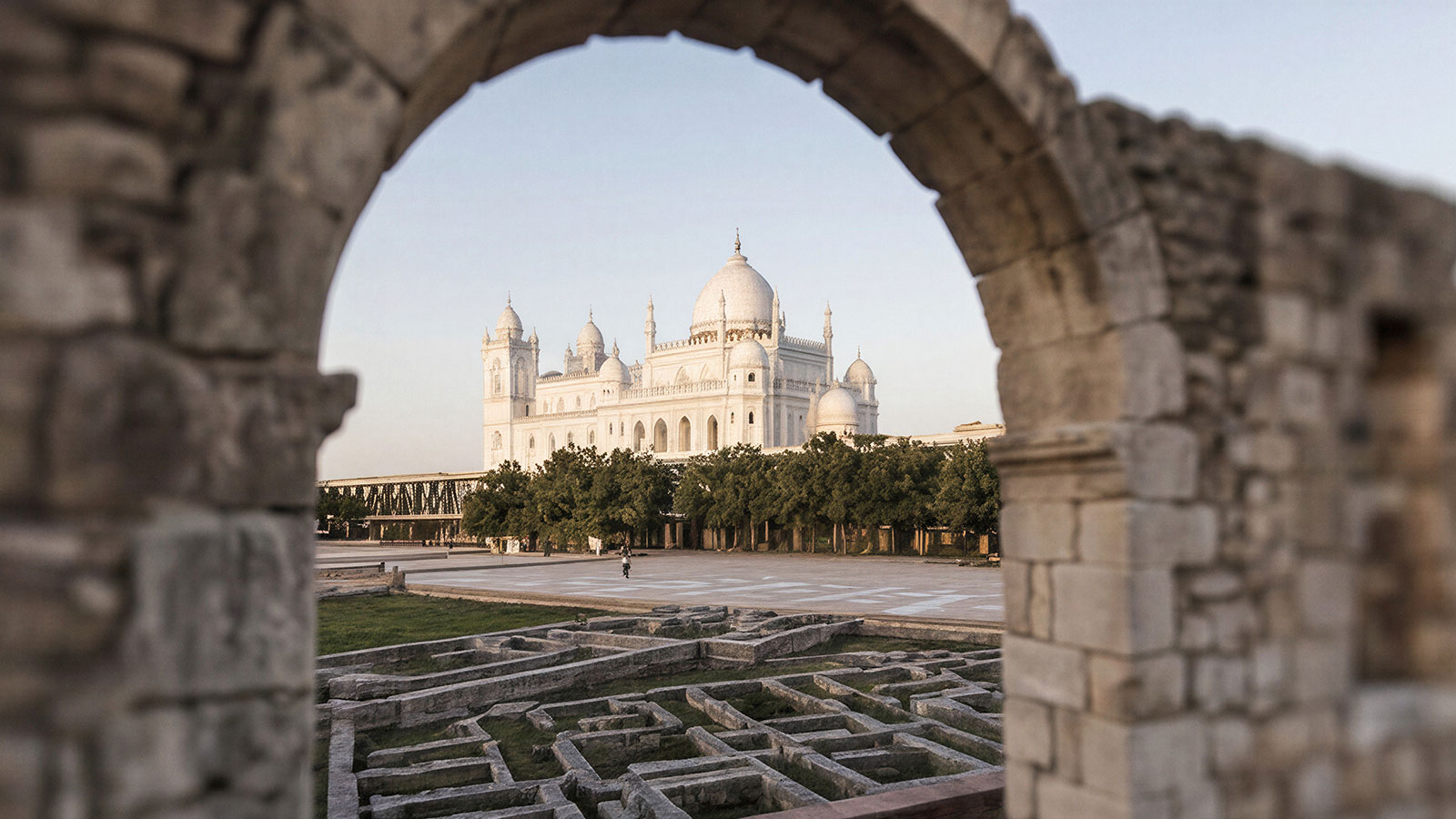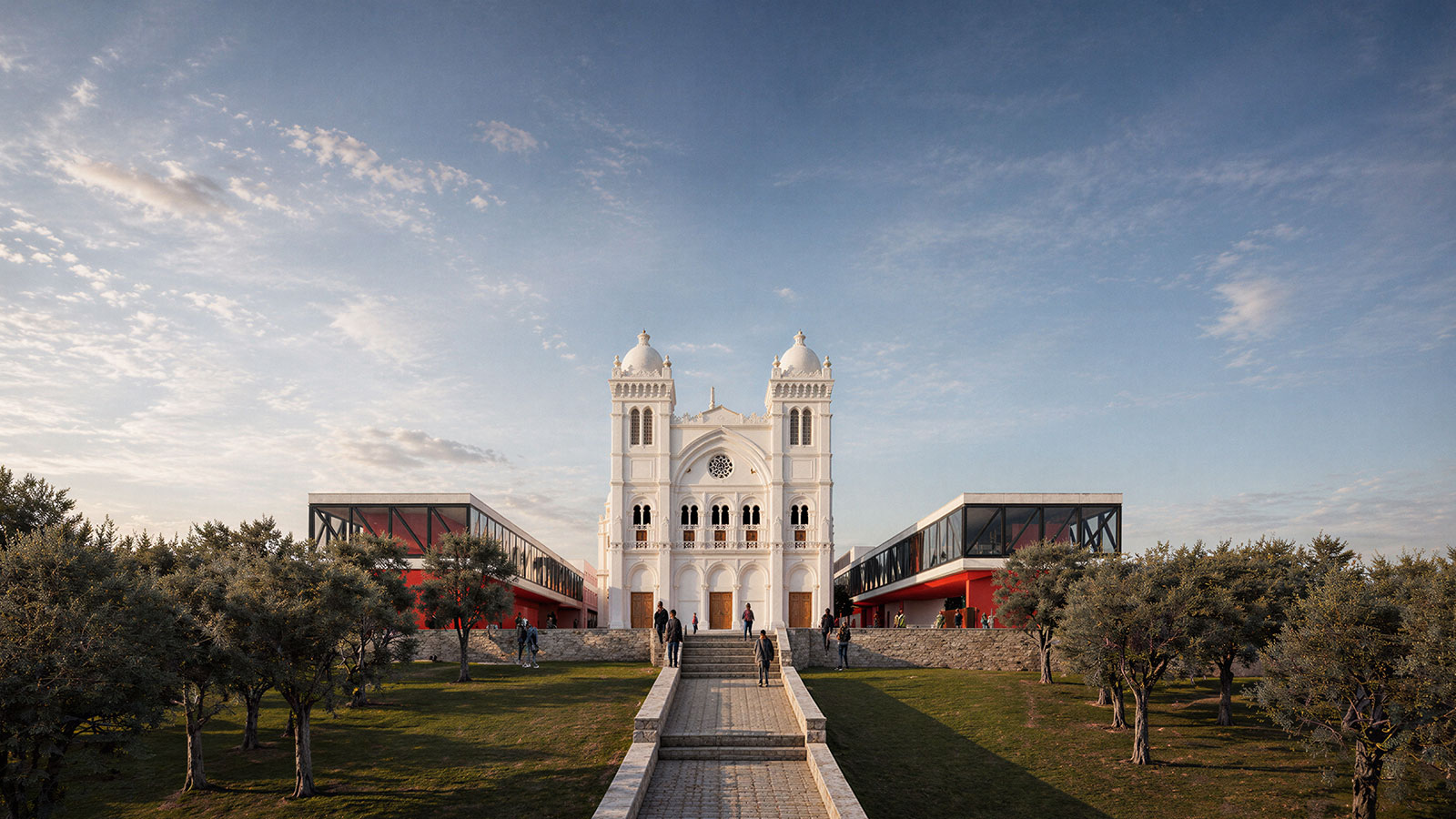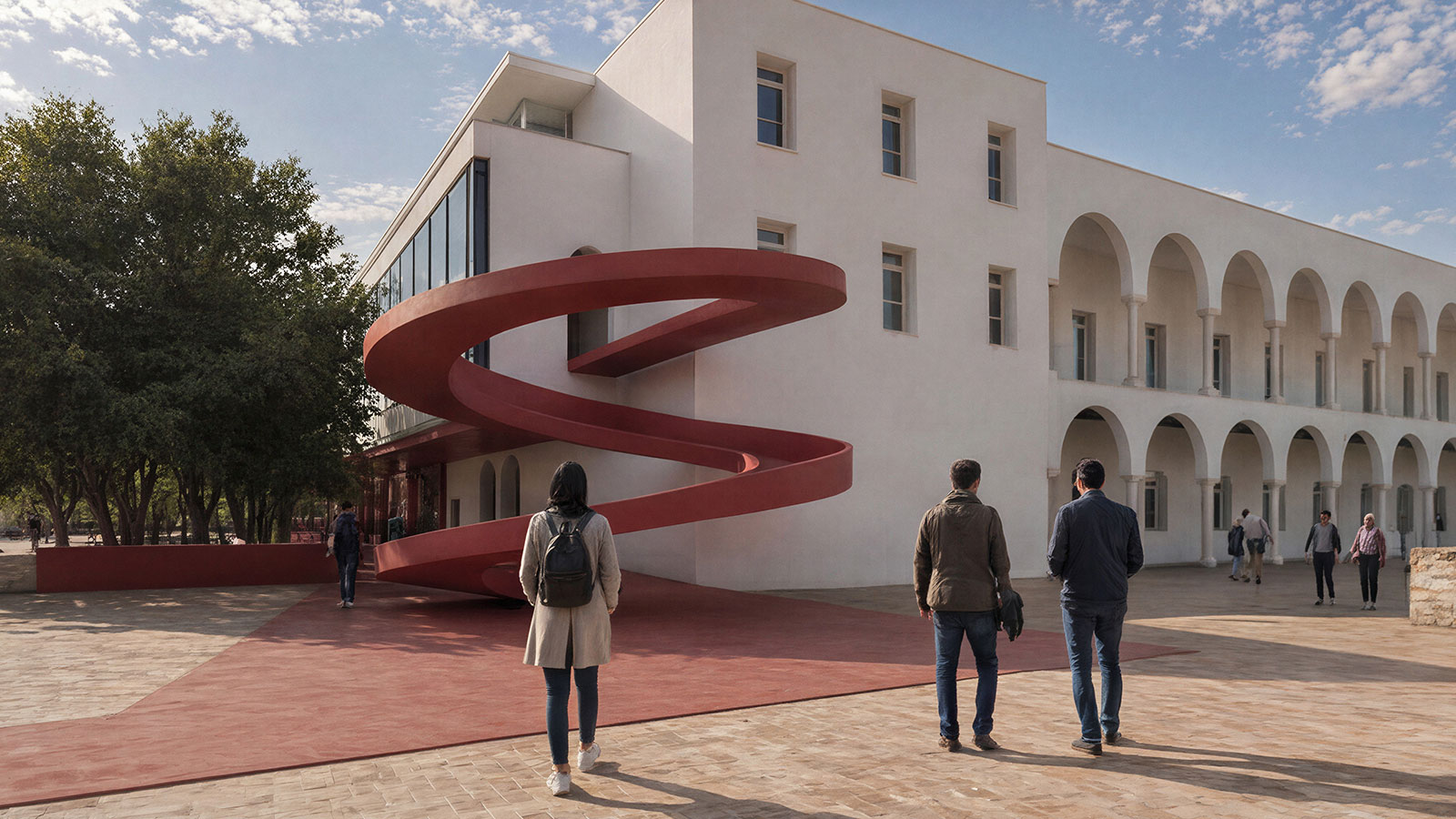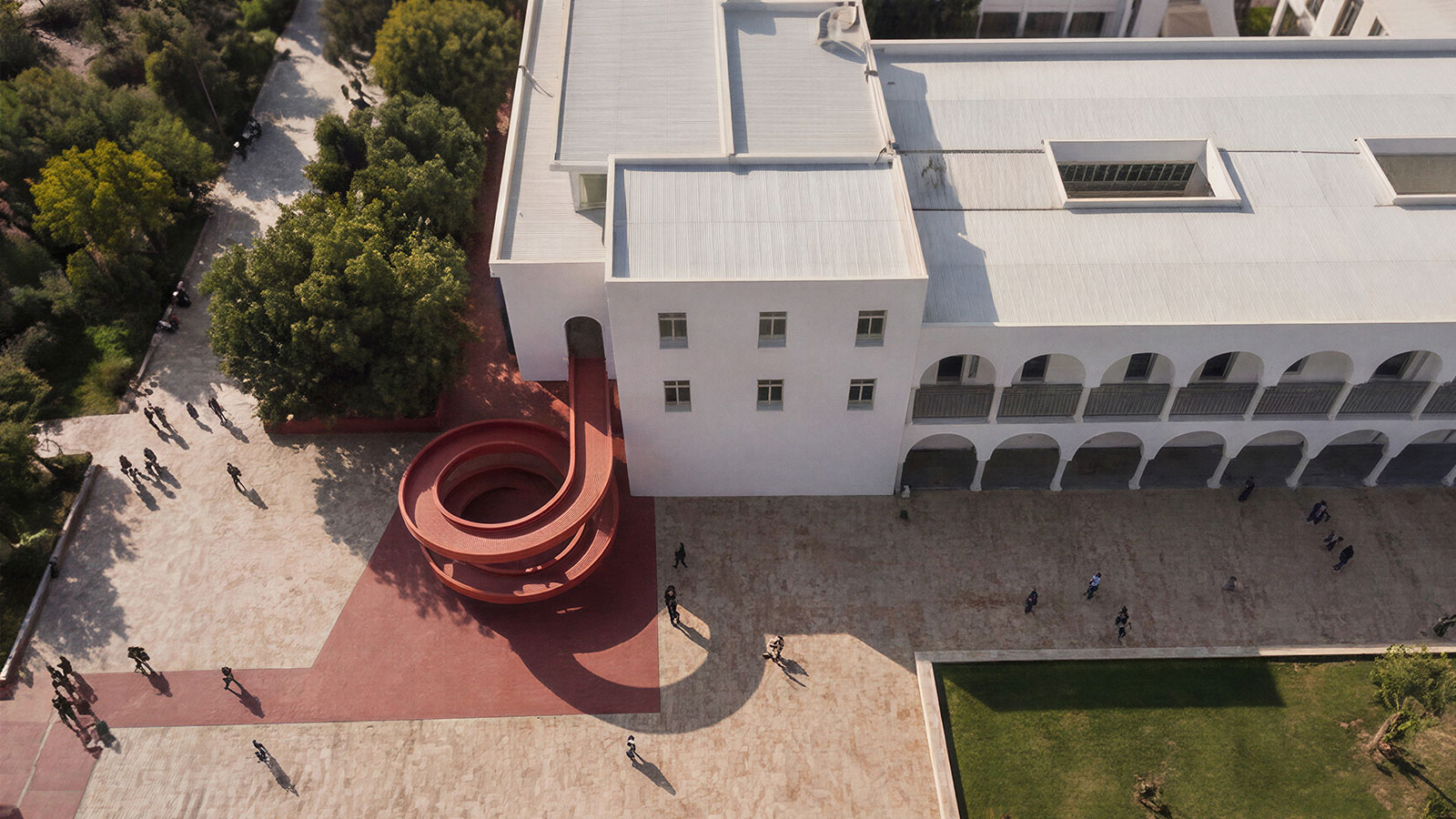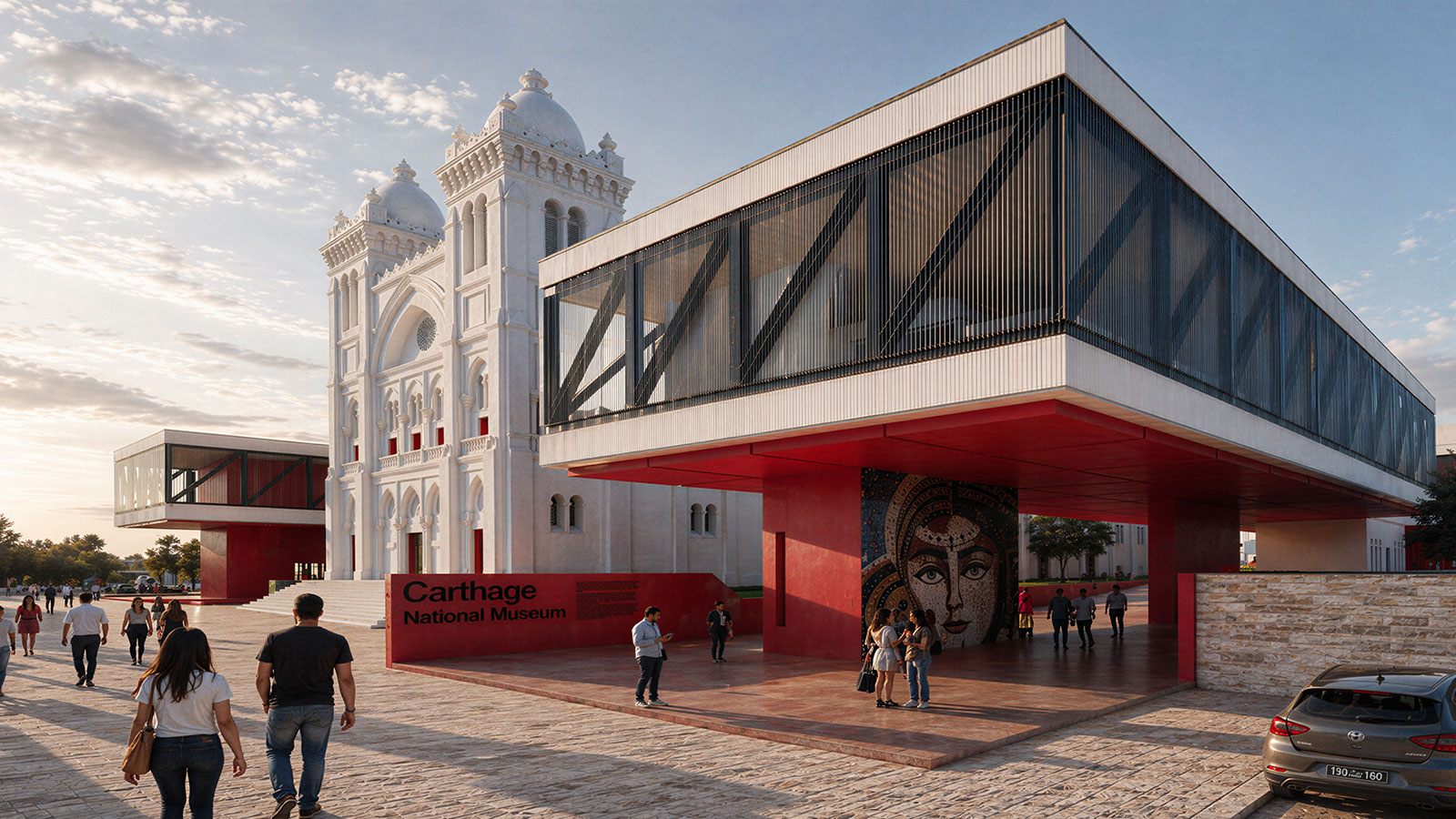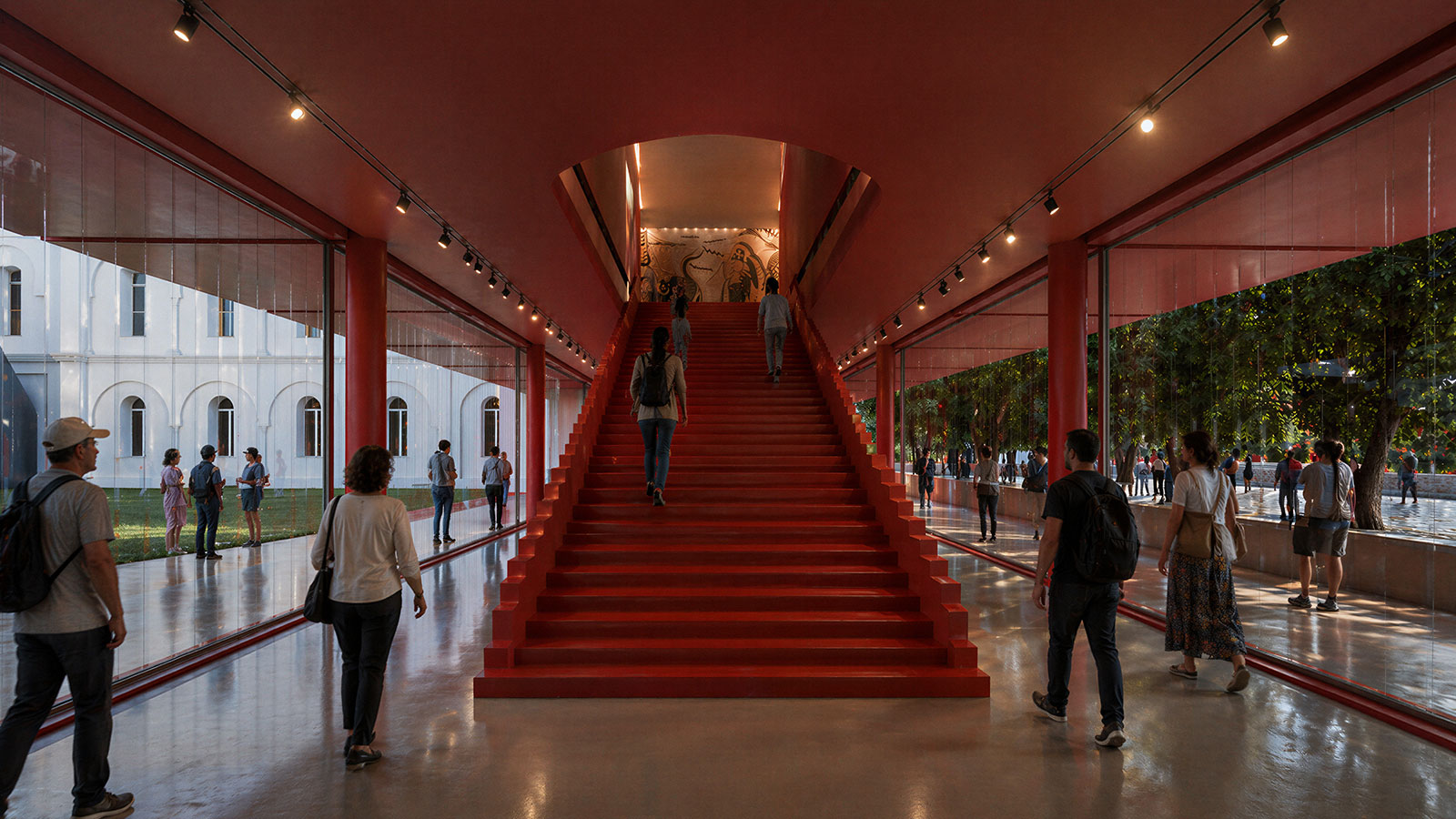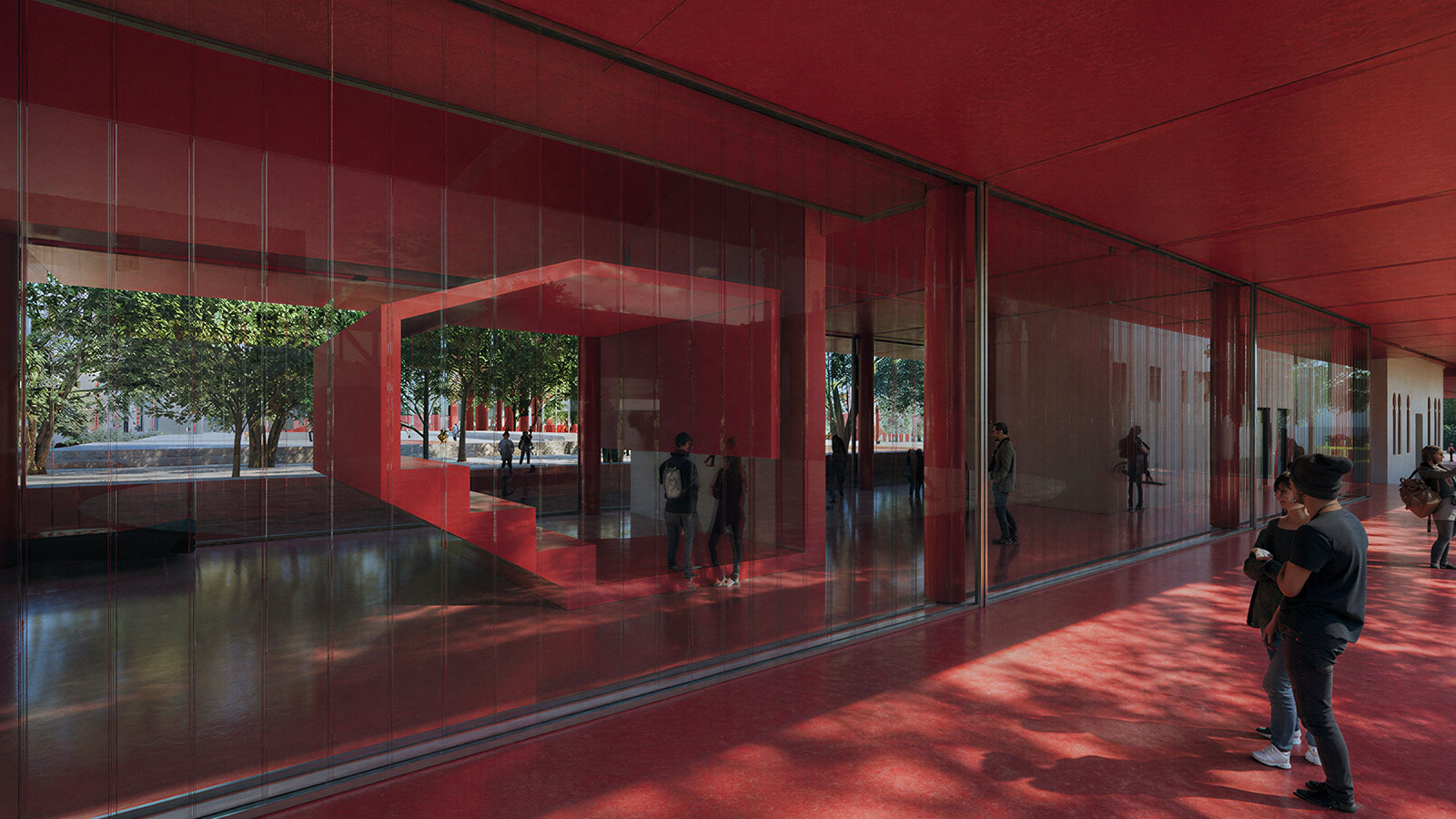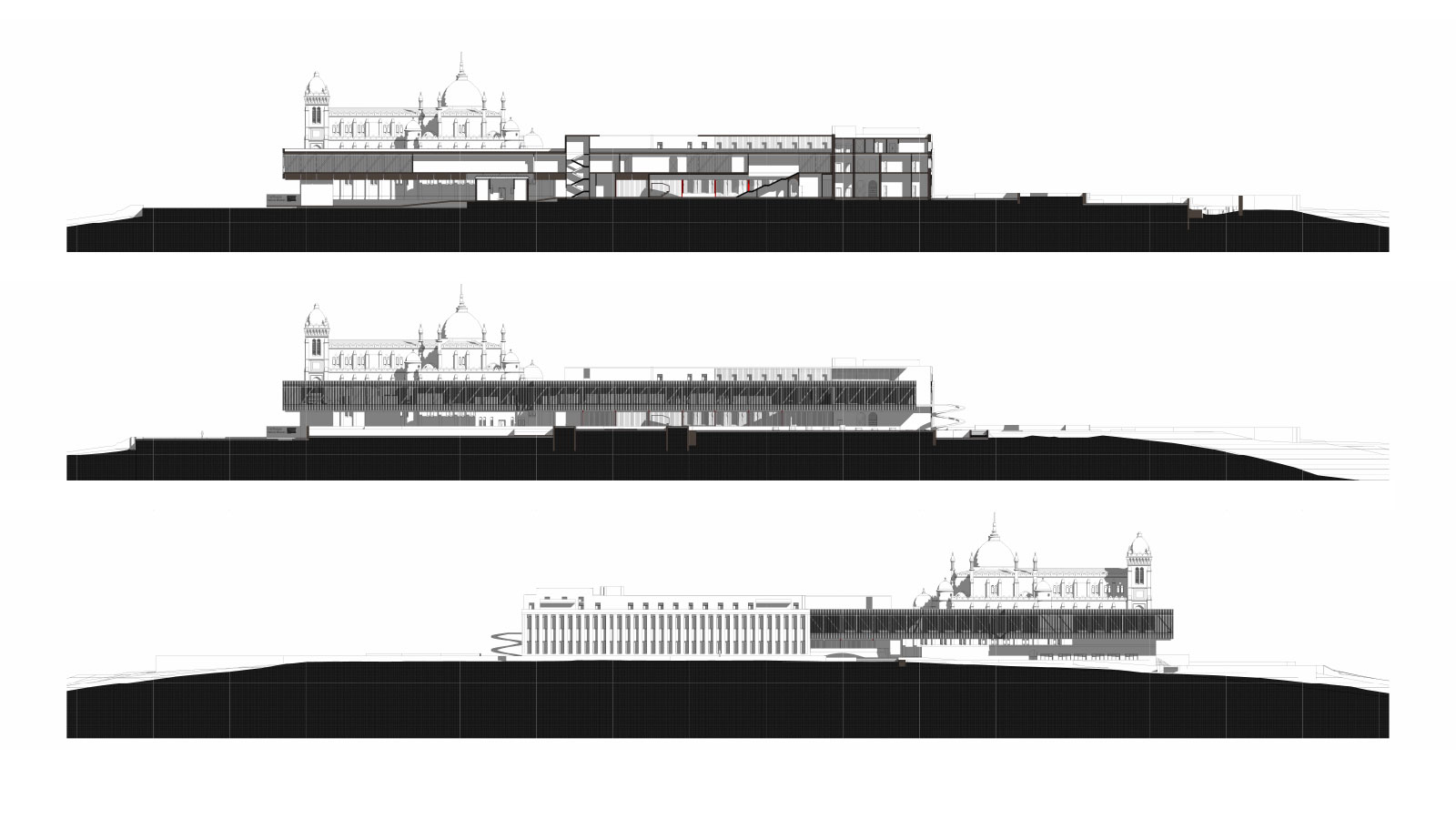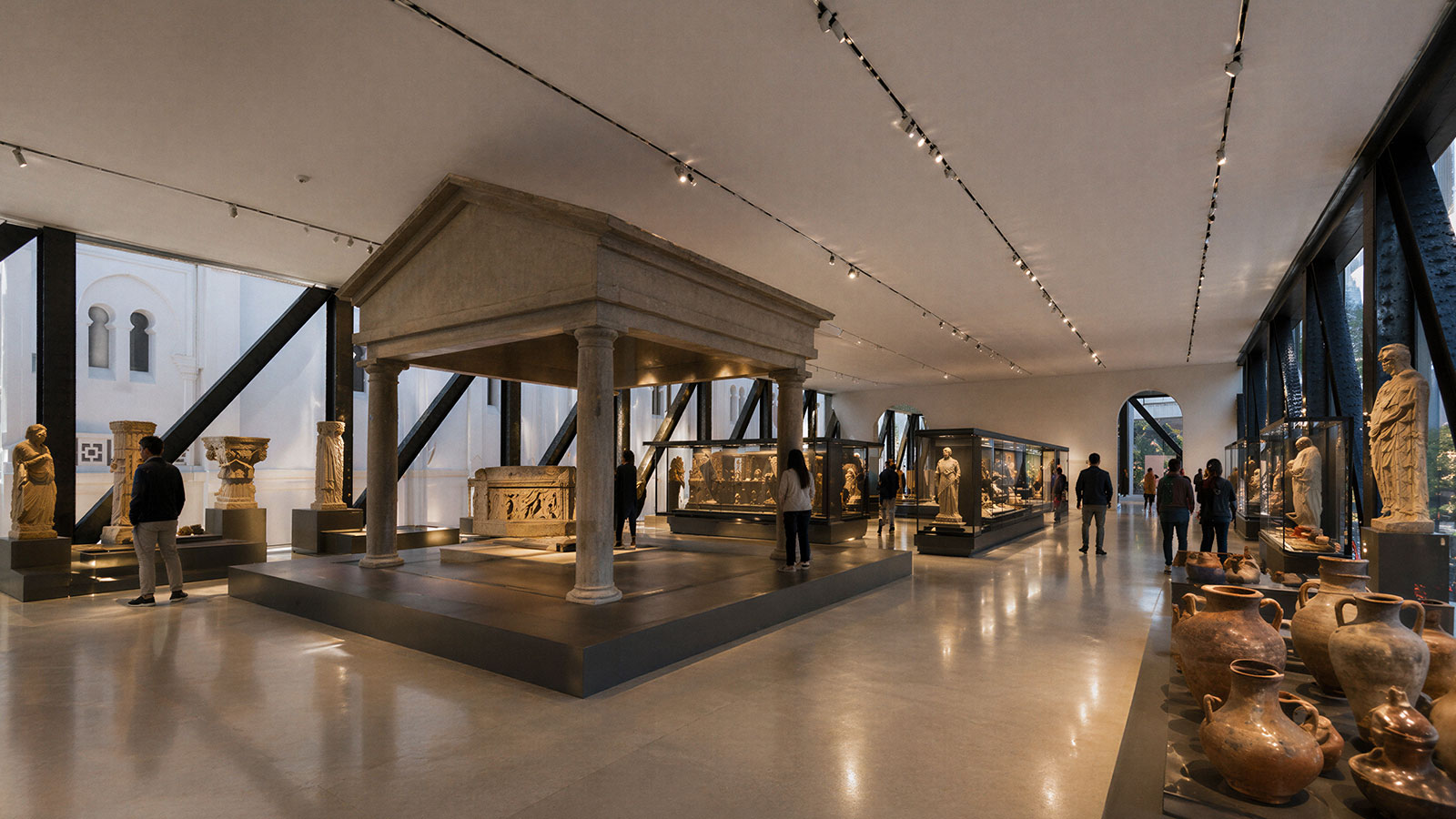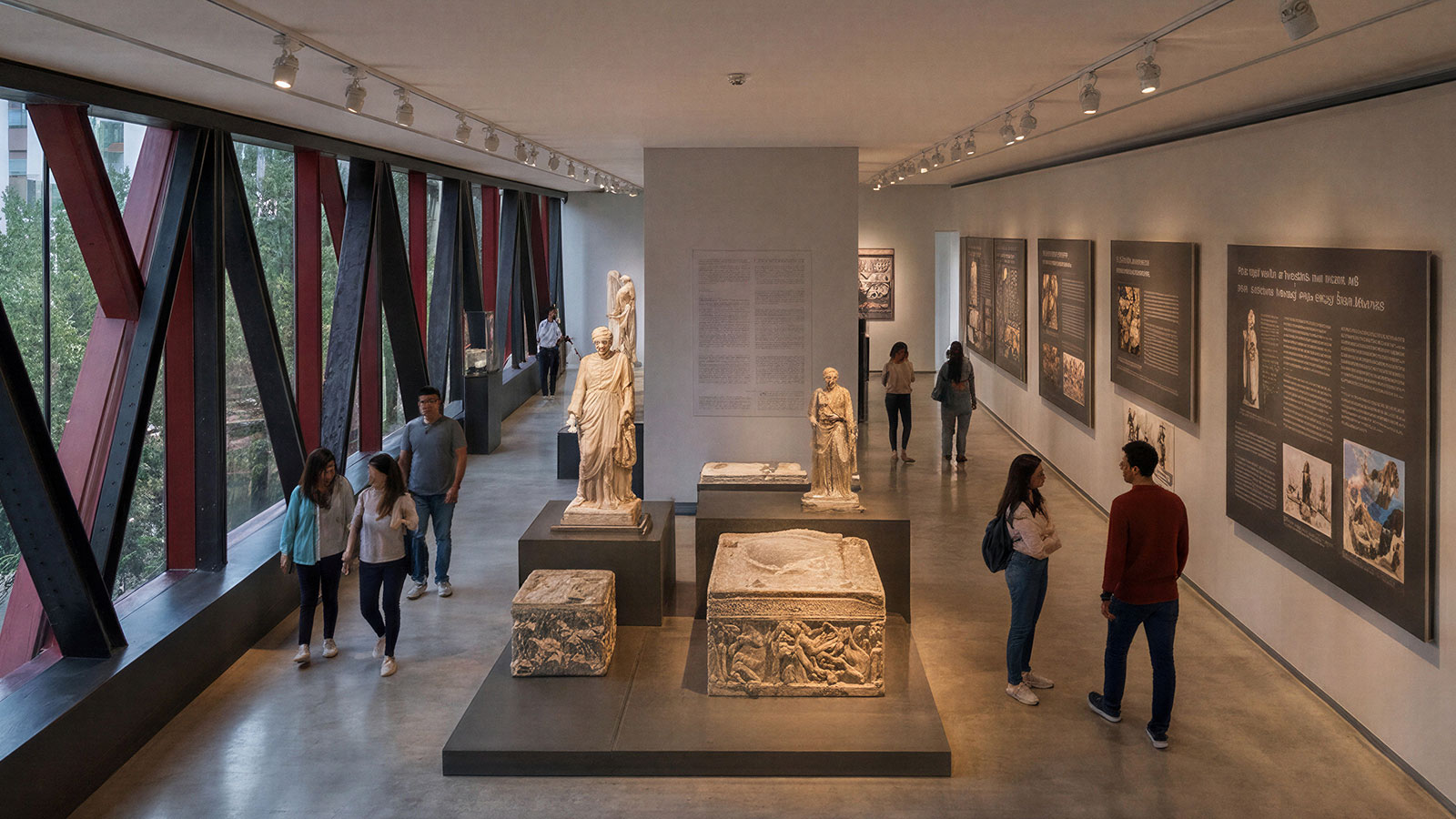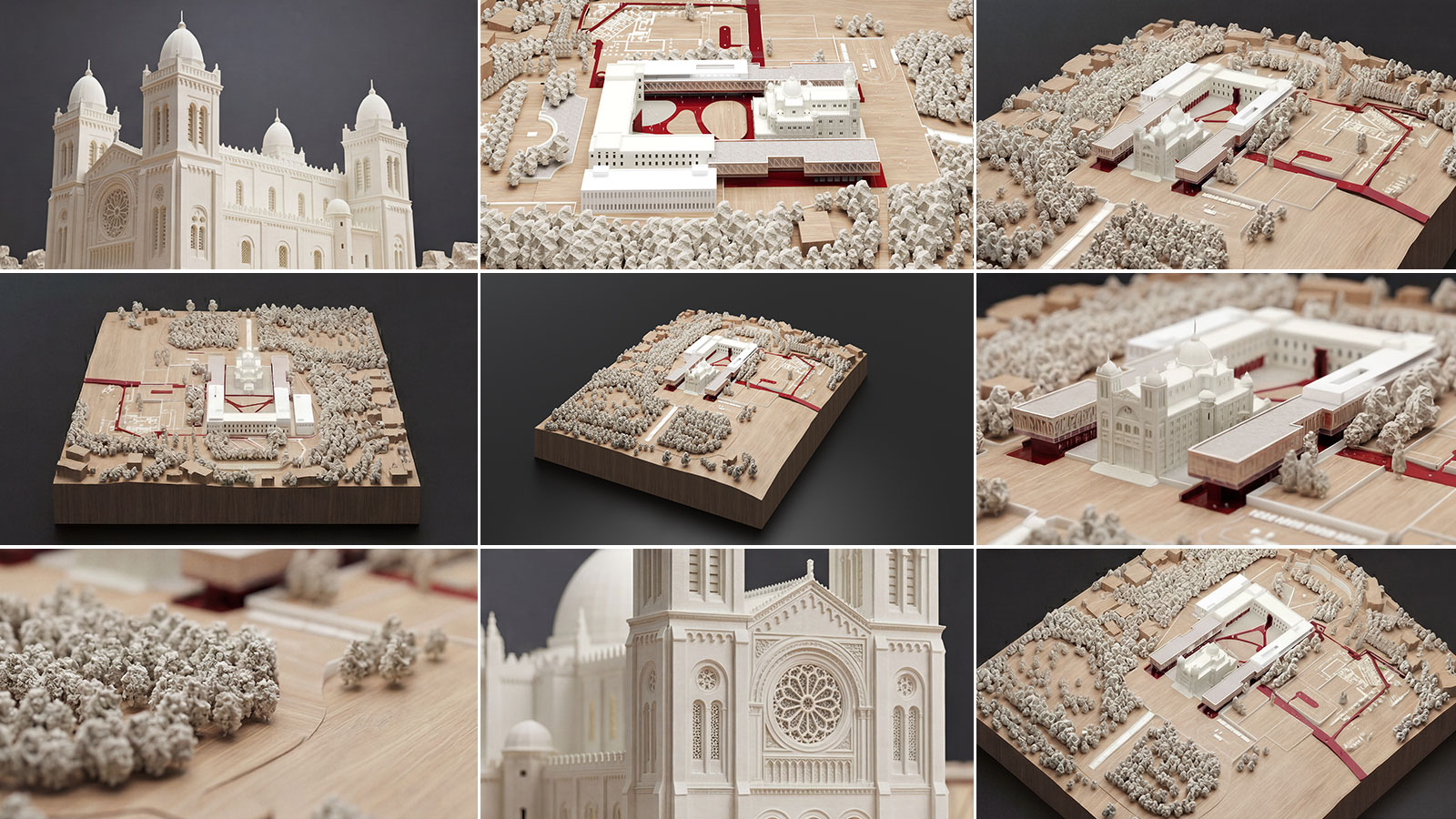



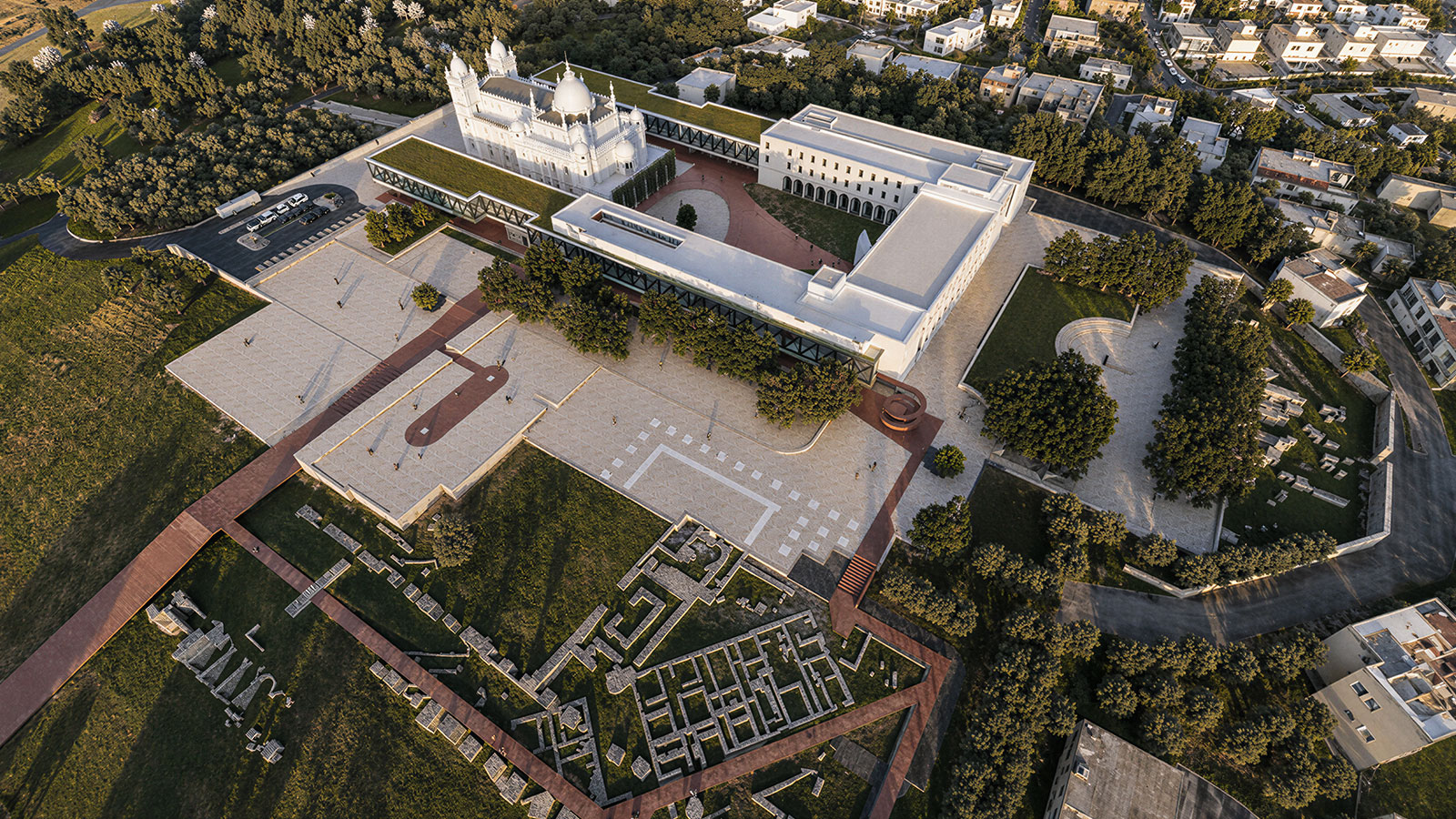
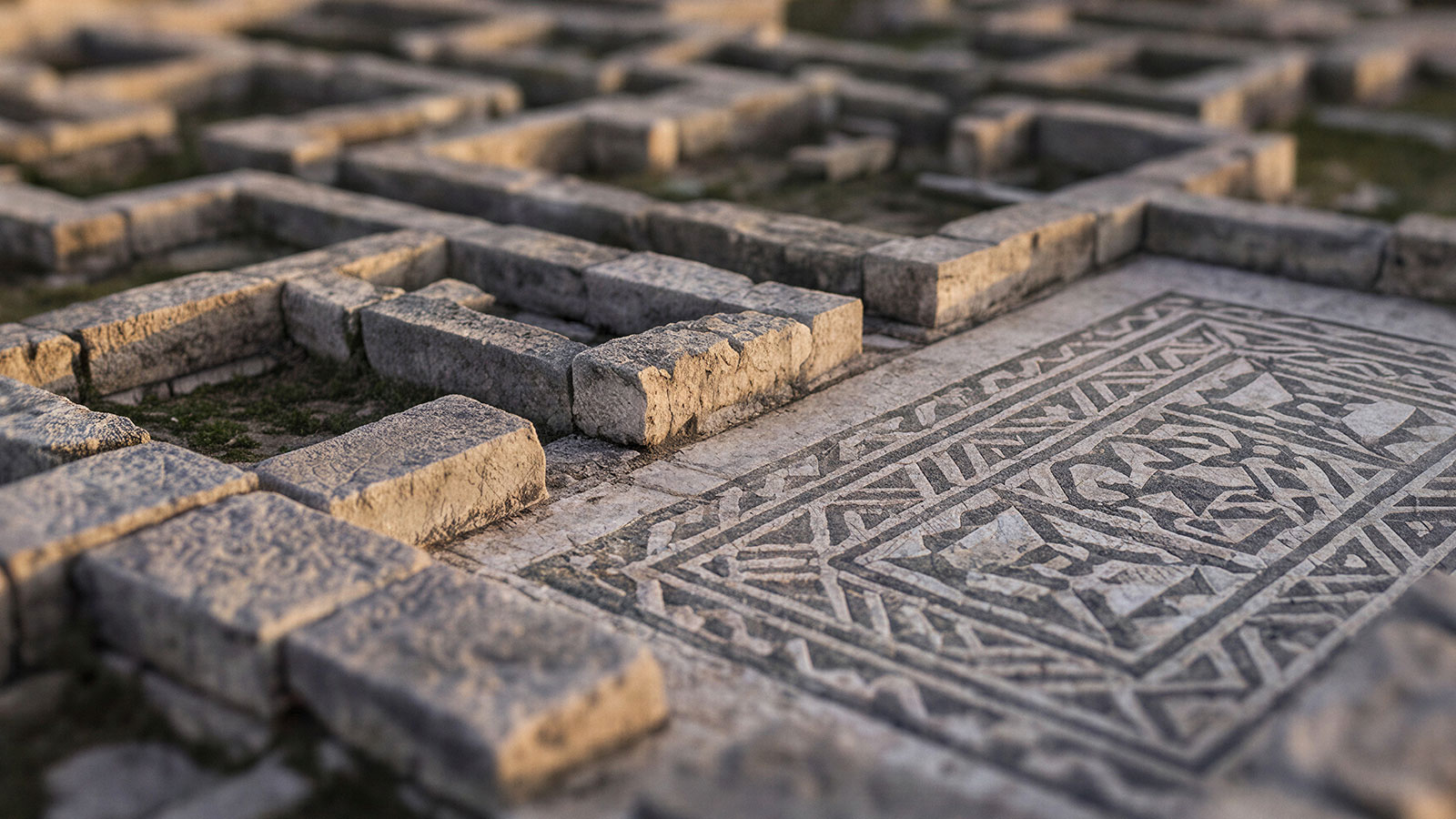
Atop the Byrsa Acropolis, where the memory of Carthage is embedded in the terrain, the project emerges as an architectural framework that reconstructs history as a spatial experience rather than a static display.
Project Overview
The Carthage National Museum, located on the historic Byrsa Acropolis, is a significant cultural project aimed at revitalizing the site and showcasing the rich history of Carthage. This project integrates modern architectural elements with historical preservation, creating a space that serves as both a cultural landmark and a hub for educational activities.
- Location: Carthage – Tunisia
- Year: 2023
- Client: Tunisian Ministry of Culture in collaboration with the European Union
- Designer: Amin TURKI, Amin HARROUS,Muftah ABUDAJAJA,NizarSAYARI
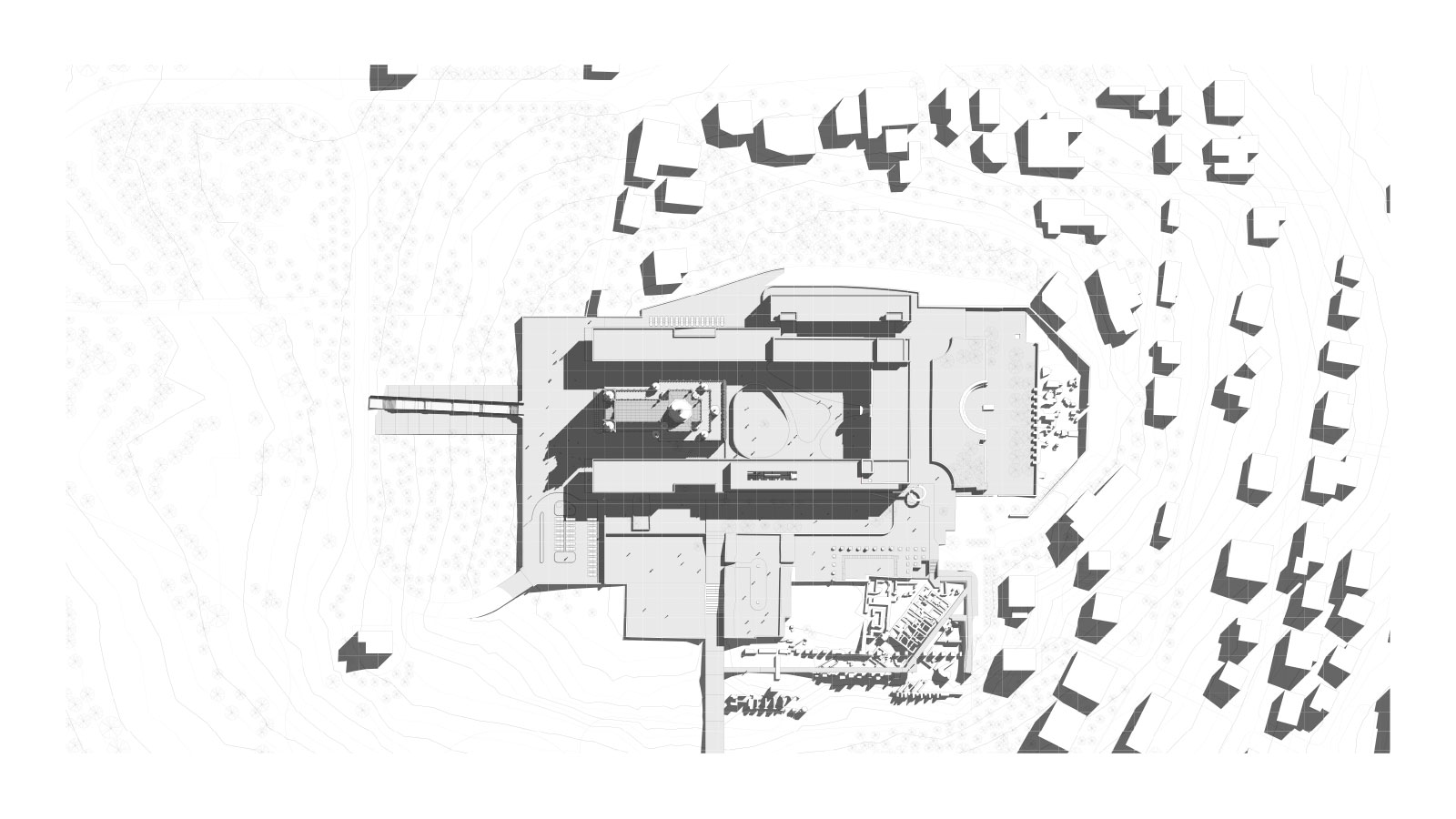
- Site Area: 50,614 m2
- Built-up area: 6,195 m2
- Use: Museum
- Phase: Design
Architectural Concept
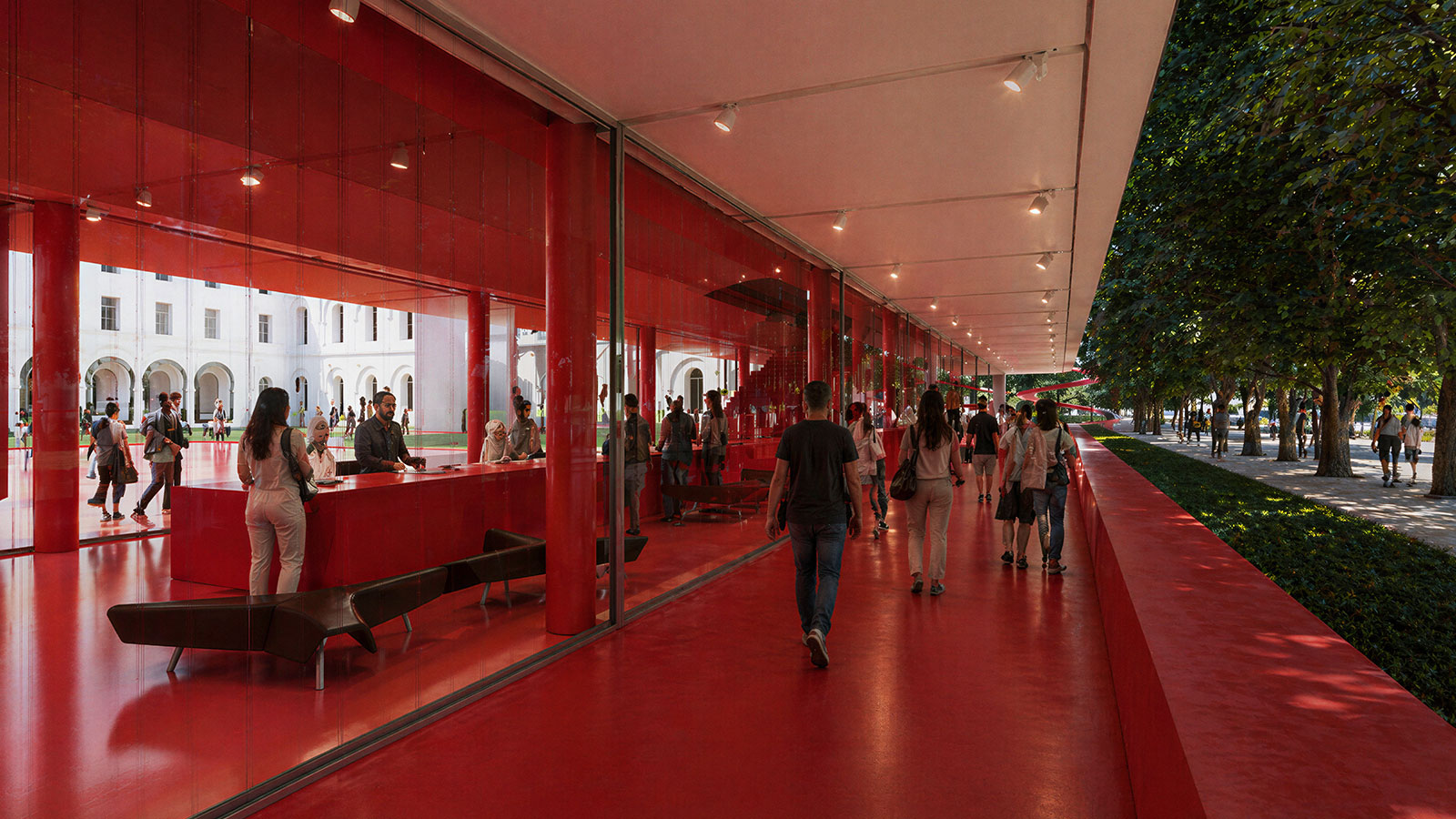
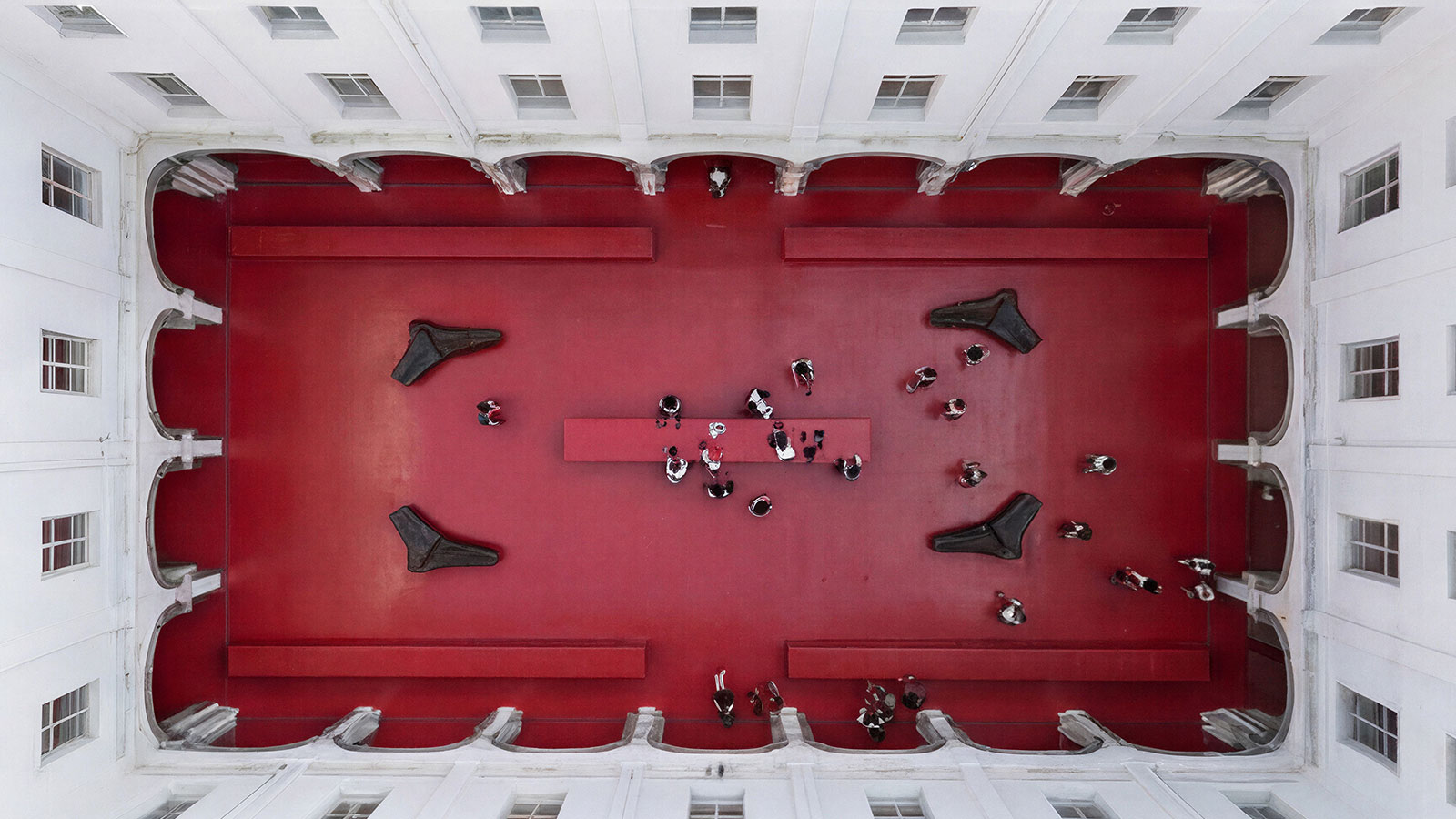
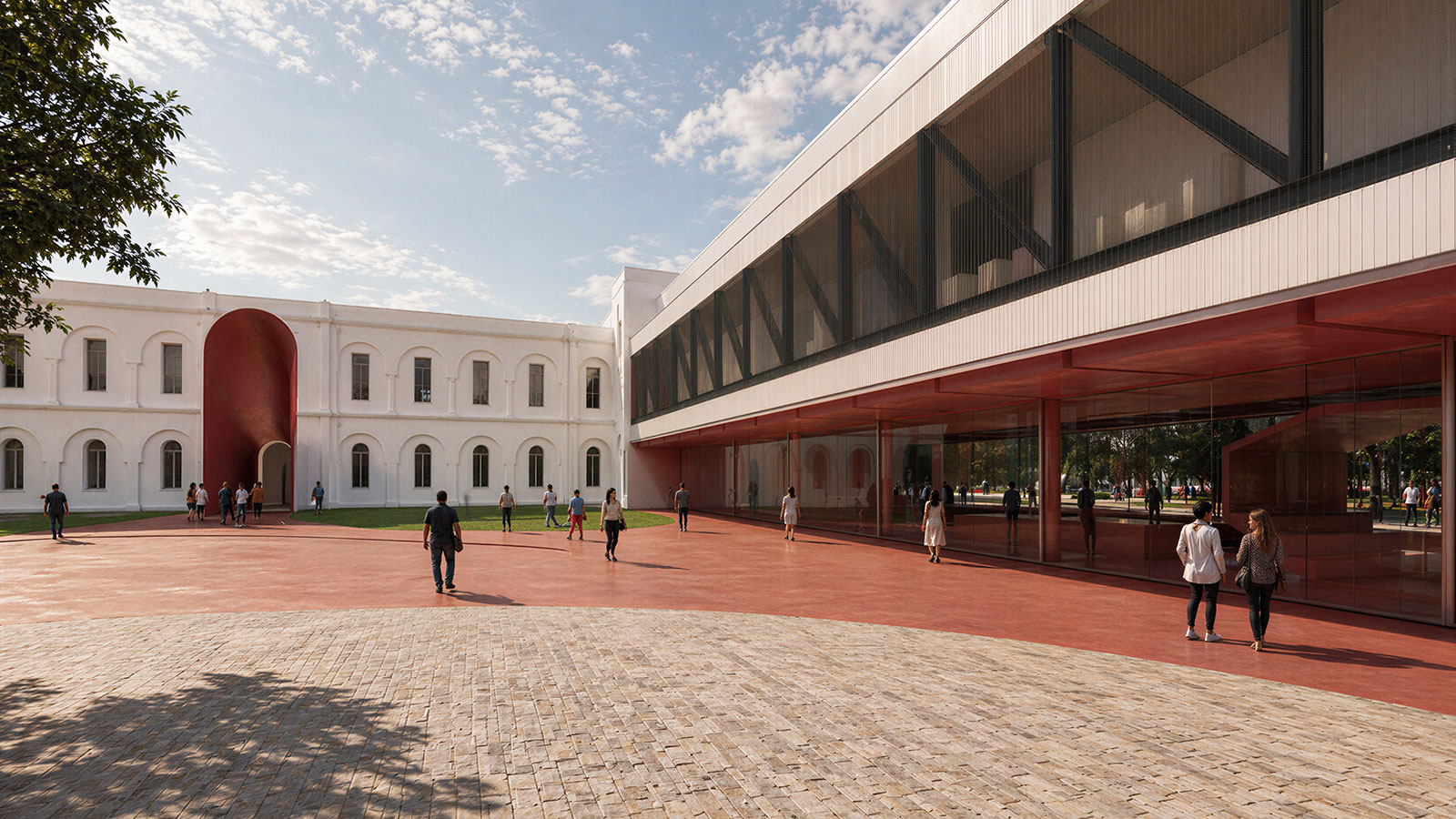
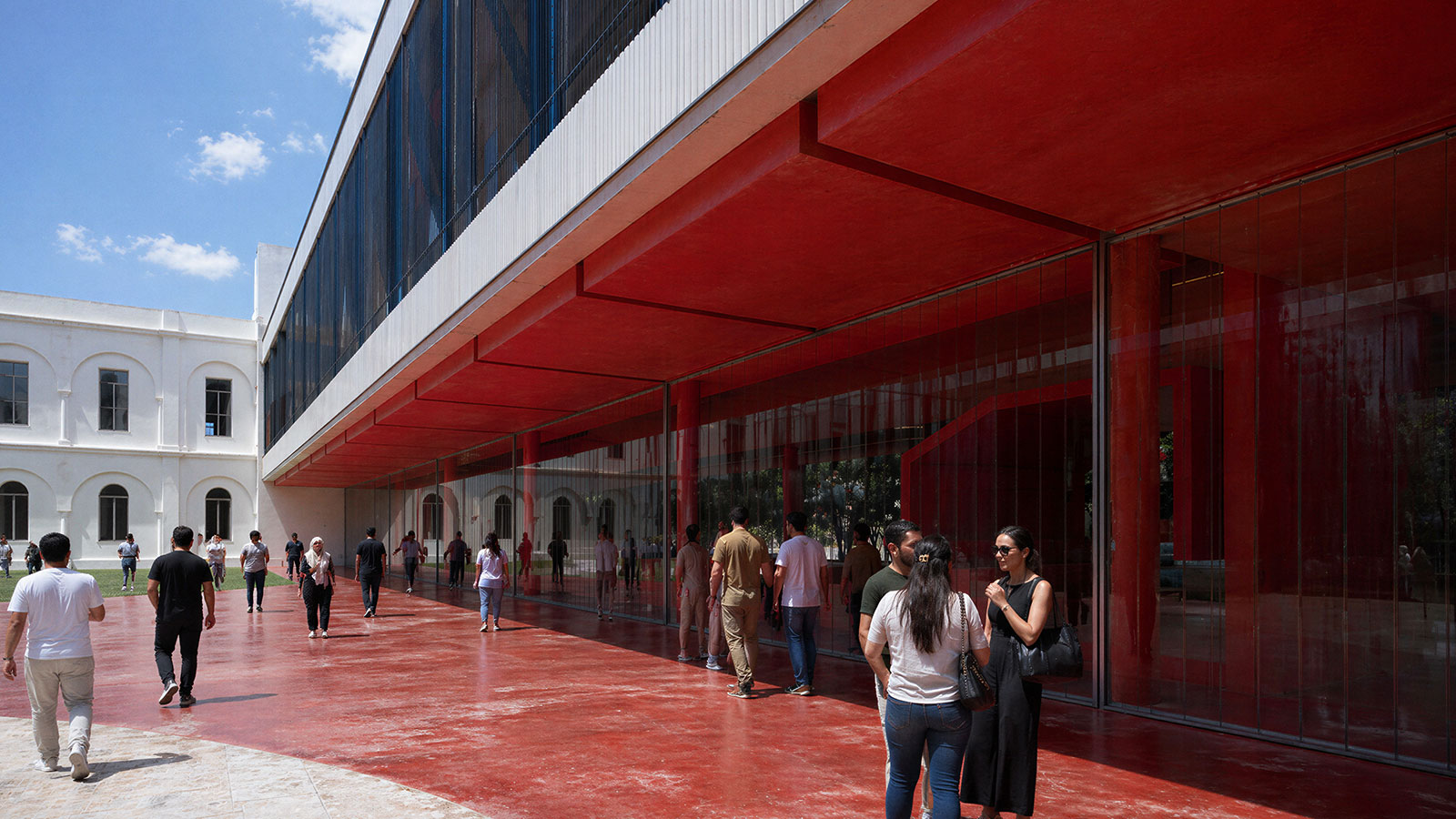
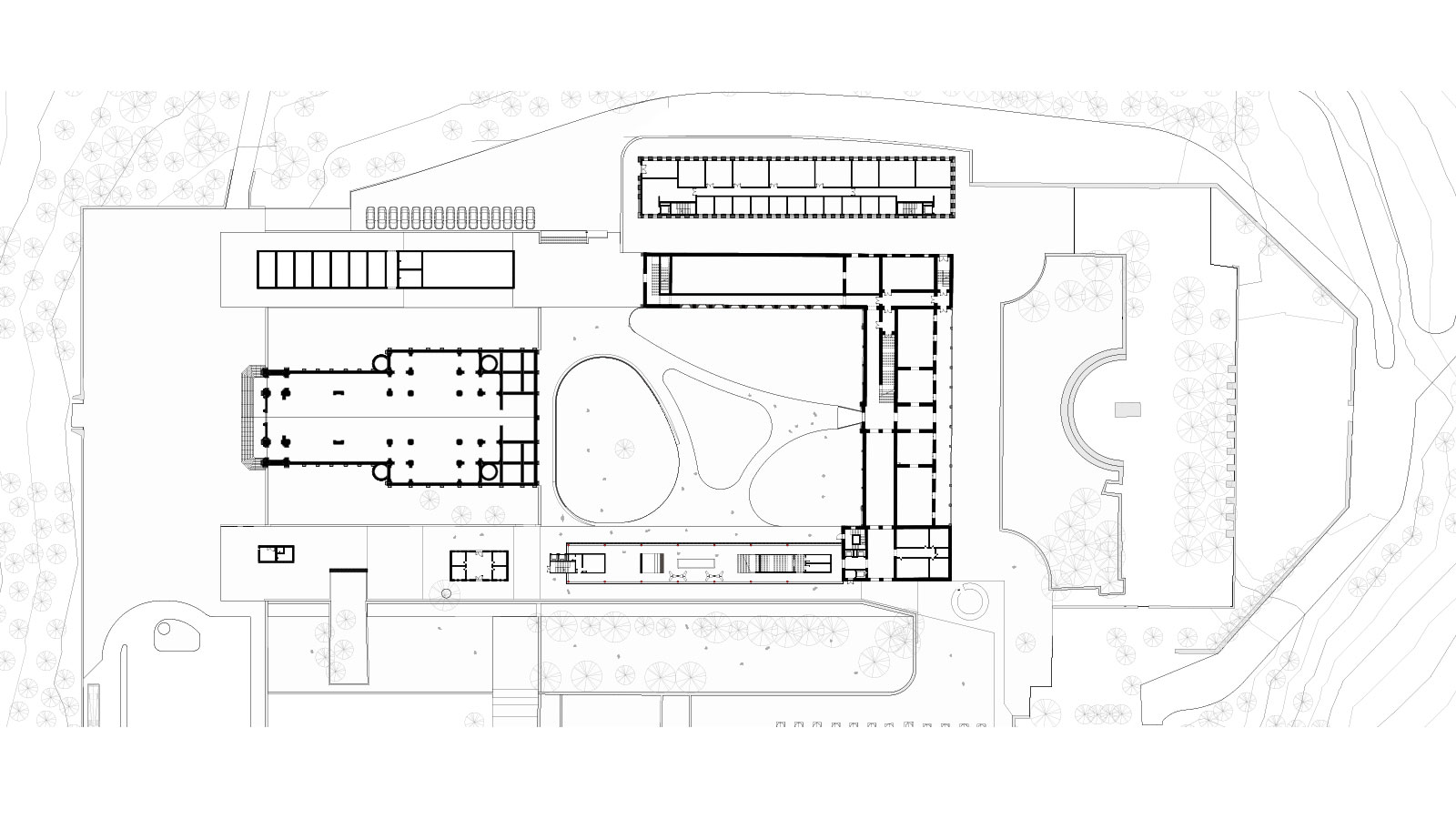
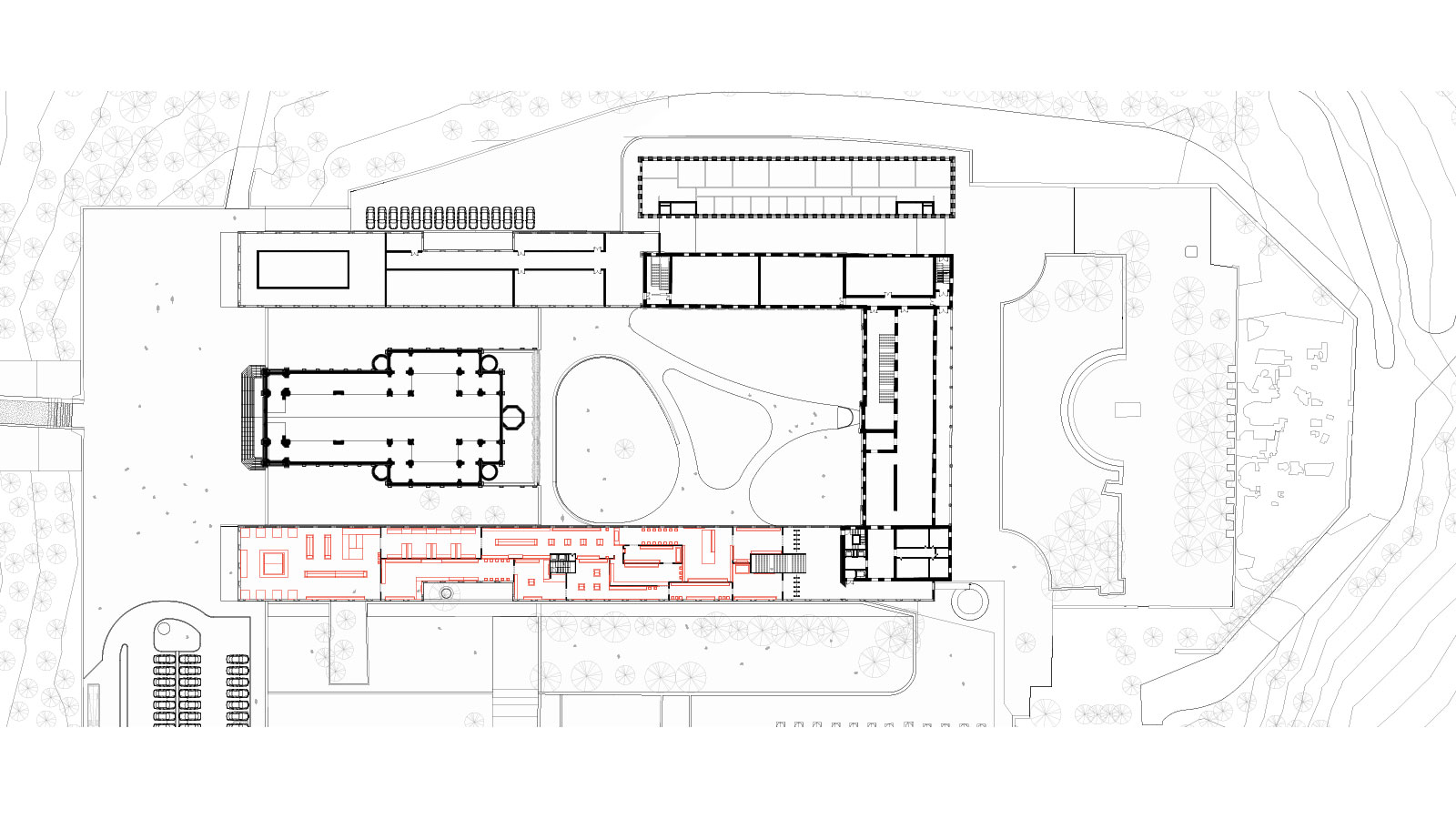
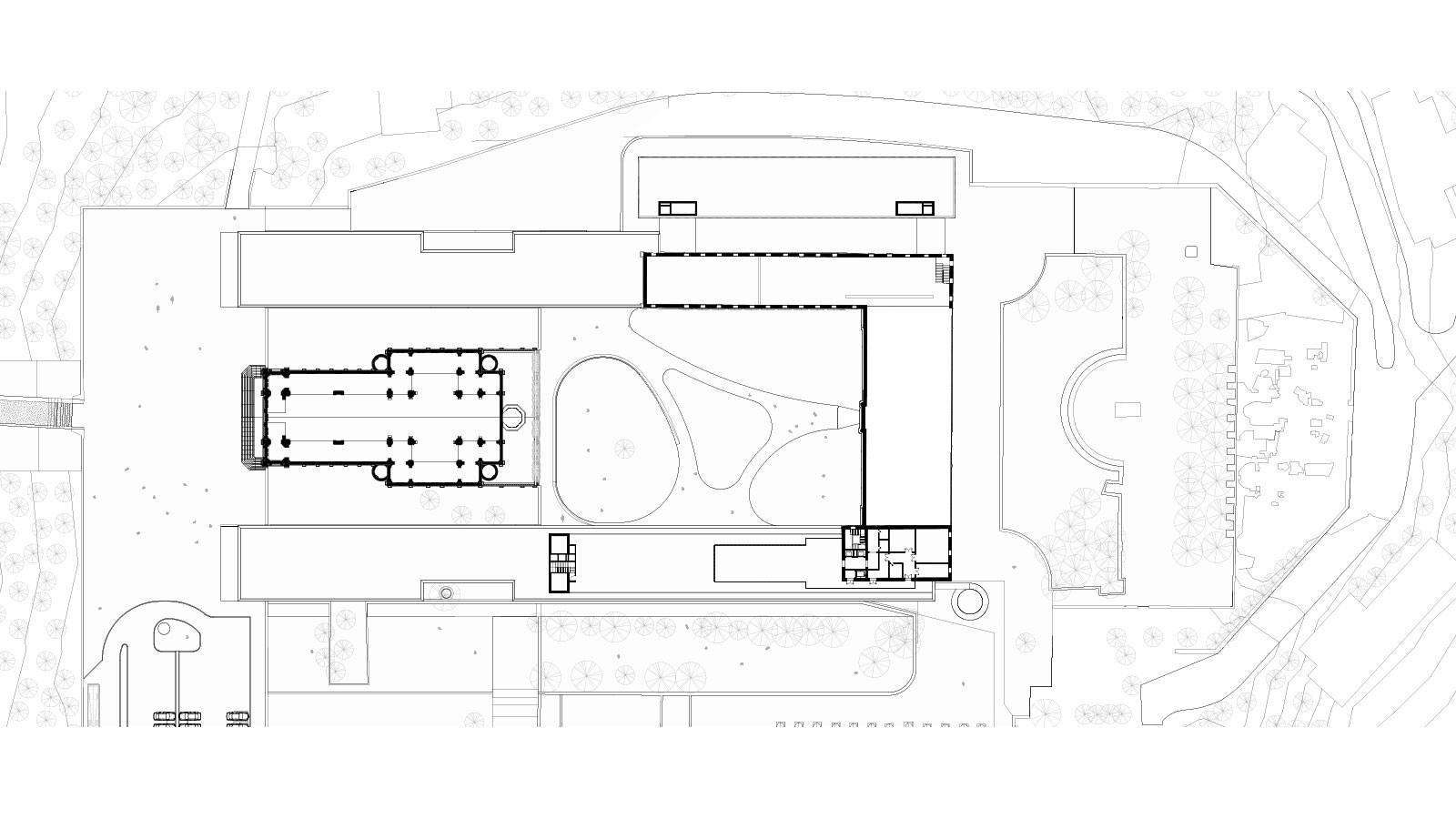
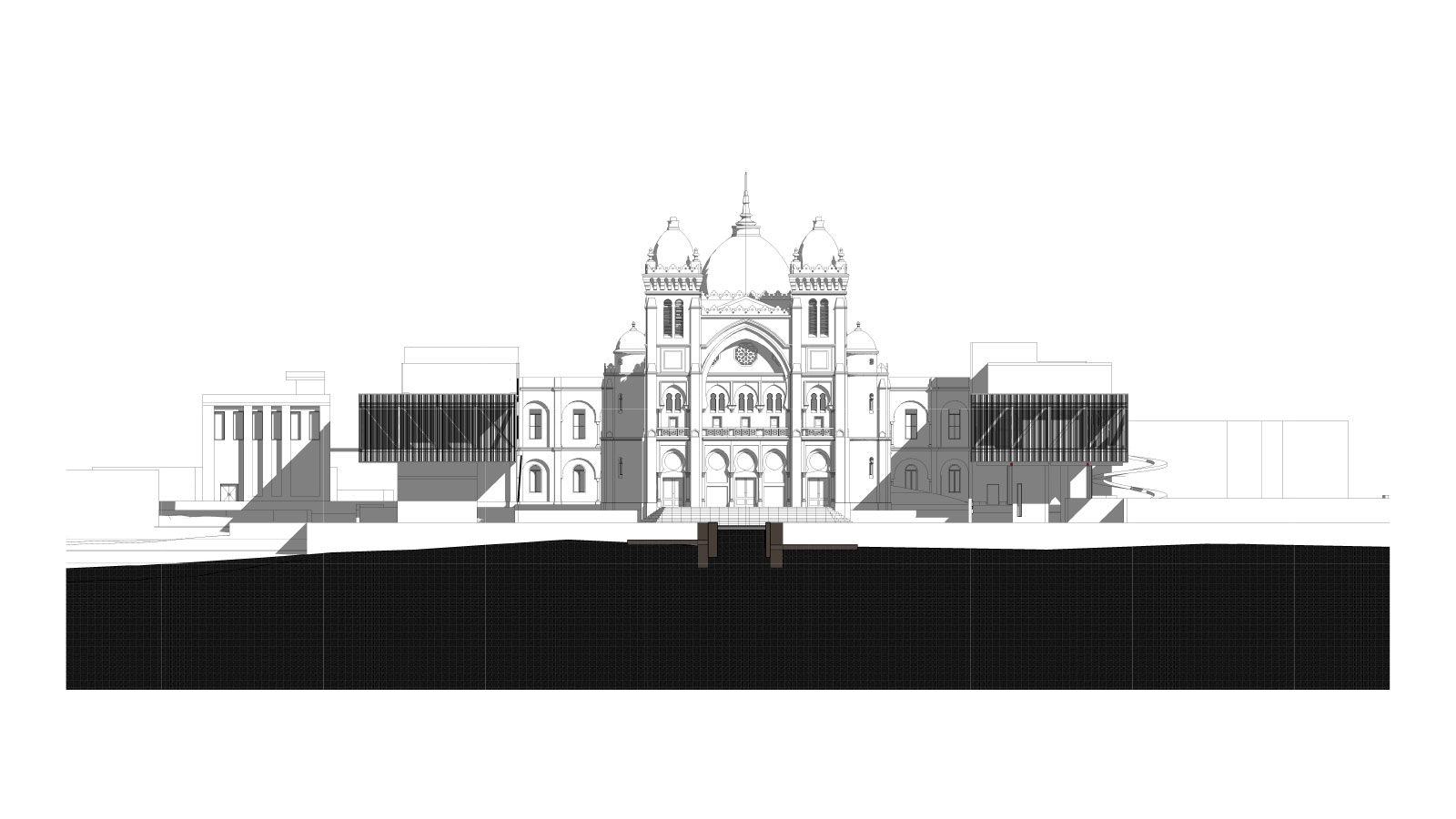
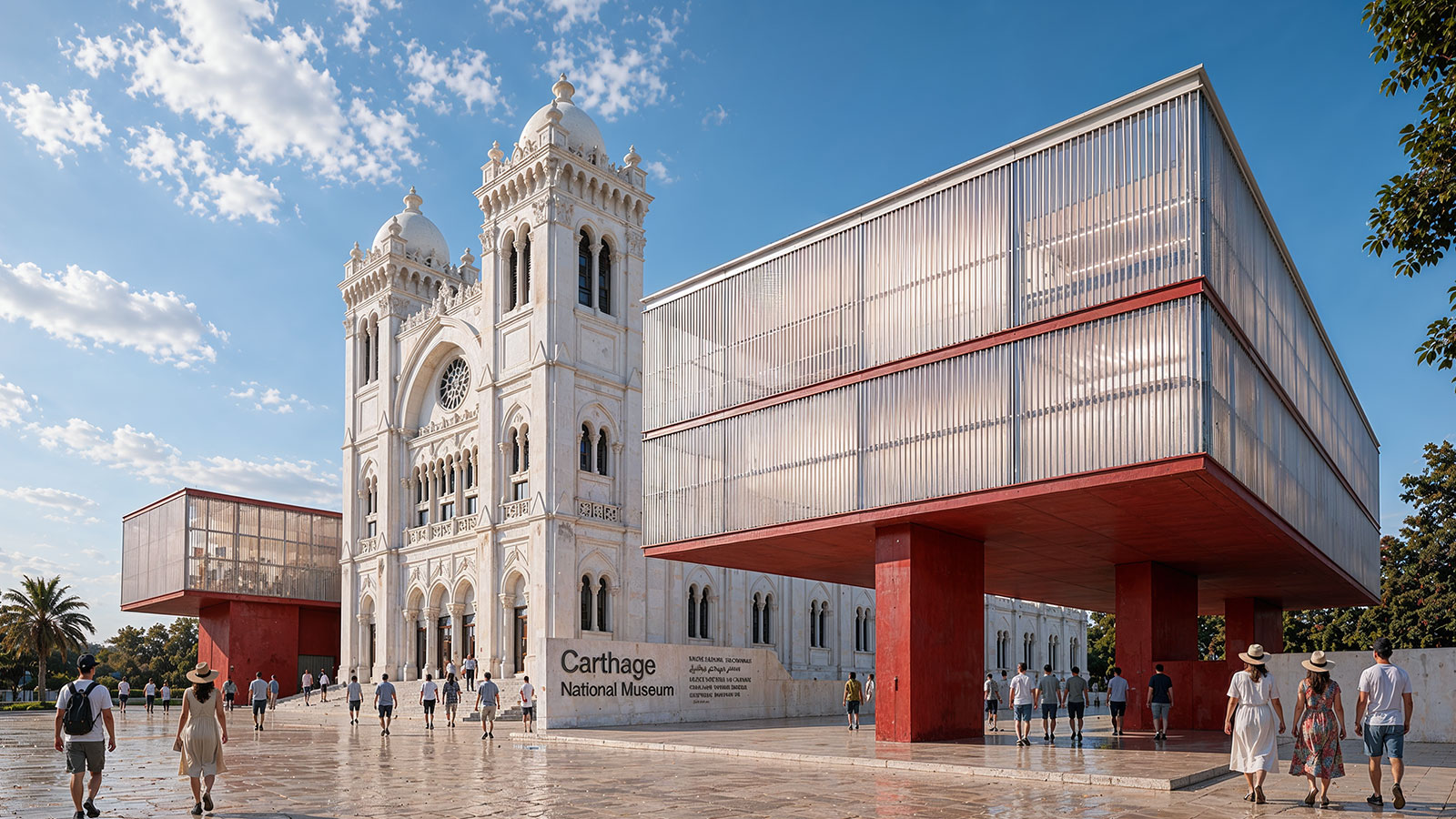
The design concept of the museum is inspired by the ancient Roman forum, featuring a U-shaped modern structure made of glass and steel that embraces an open courtyard. This courtyard, a contemporary reinterpretation of the Roman forum, is central to the museum’s layout, providing an interactive and immersive experience for visitors.
Key Architectural Features:
- Site Area: Approximately 50,614 square meters.
- Total Built-Up Area: 6,195 square meters.
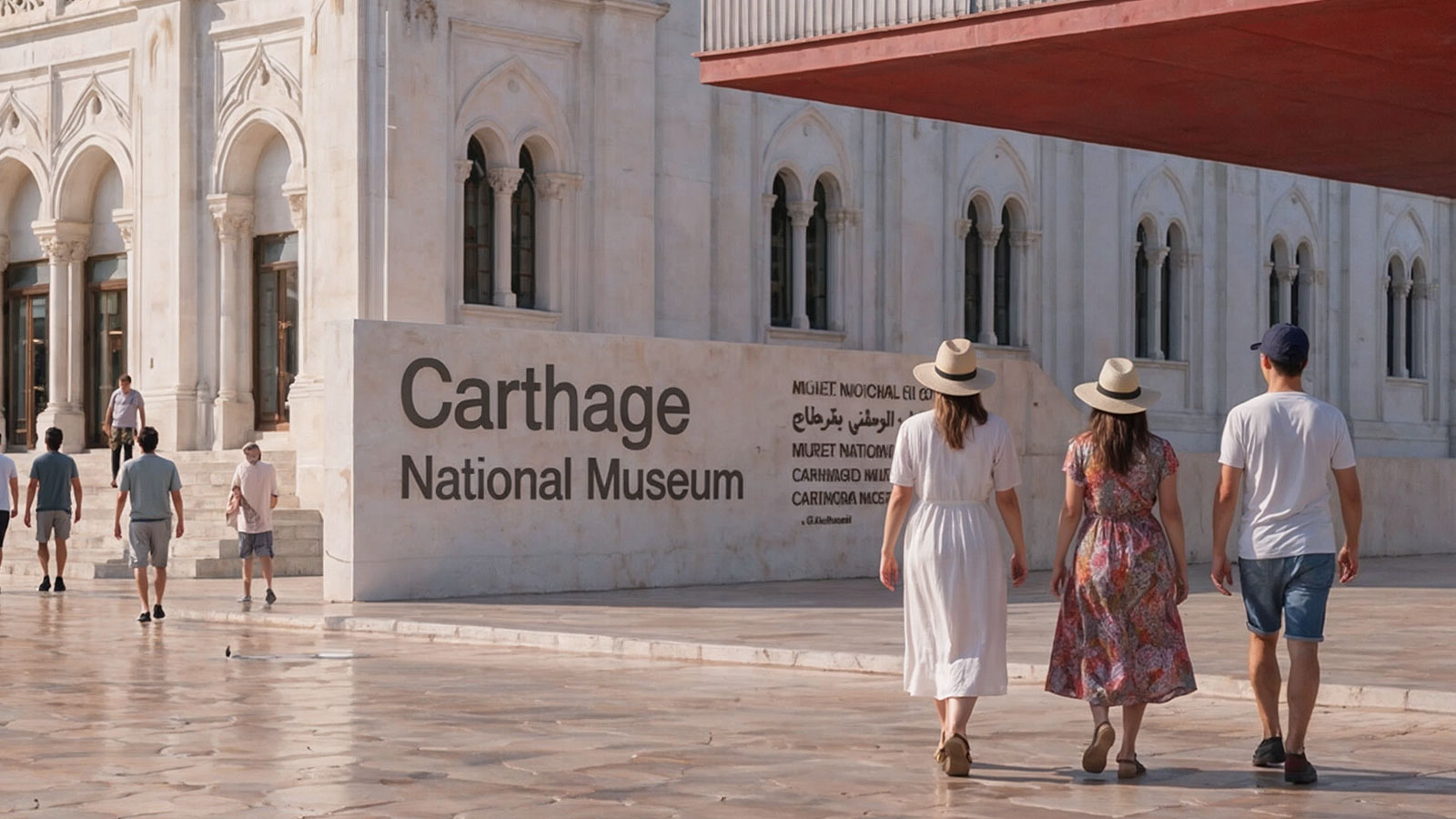
- Historical Integration: The design incorporates elements of the existing historical buildings, ensuring minimal disruption while blending modern and ancient architectural styles.
- Sustainable Design: Emphasis on using sustainable materials and construction techniques to minimize environmental impact.
Programmatic Components and Spaces
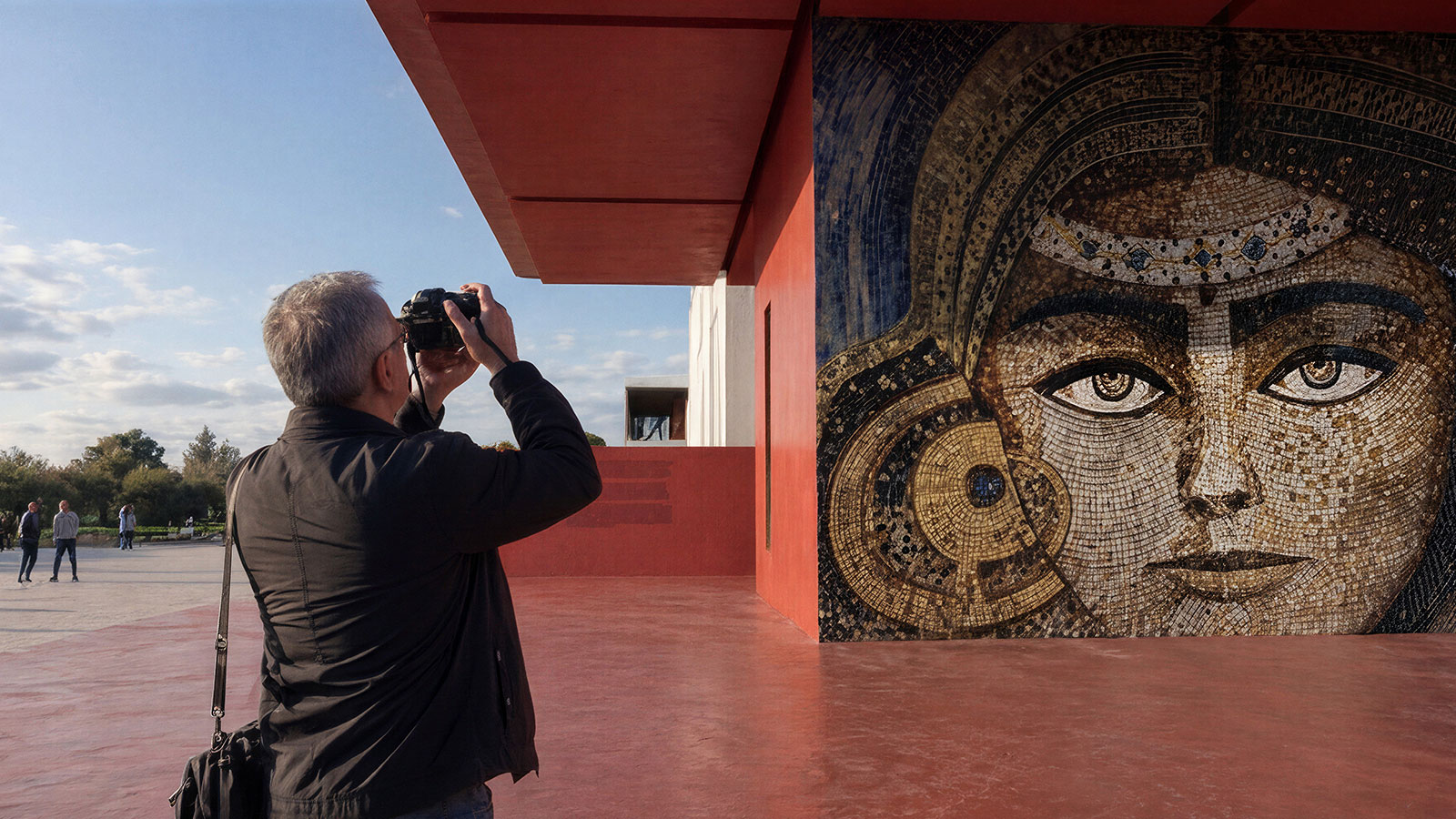
The museum is structured to accommodate a wide range of functions, from exhibition spaces to educational and administrative areas. Each component is designed to enhance the visitor experience while preserving and displaying the site’s rich cultural heritage.
Key Components:
- Public Entrance and Services: Includes reception areas, waiting spaces, and amenities for visitors.
- Retail and Food Services: Features a main restaurant with panoramic views and additional shops.
- Exhibition Galleries:
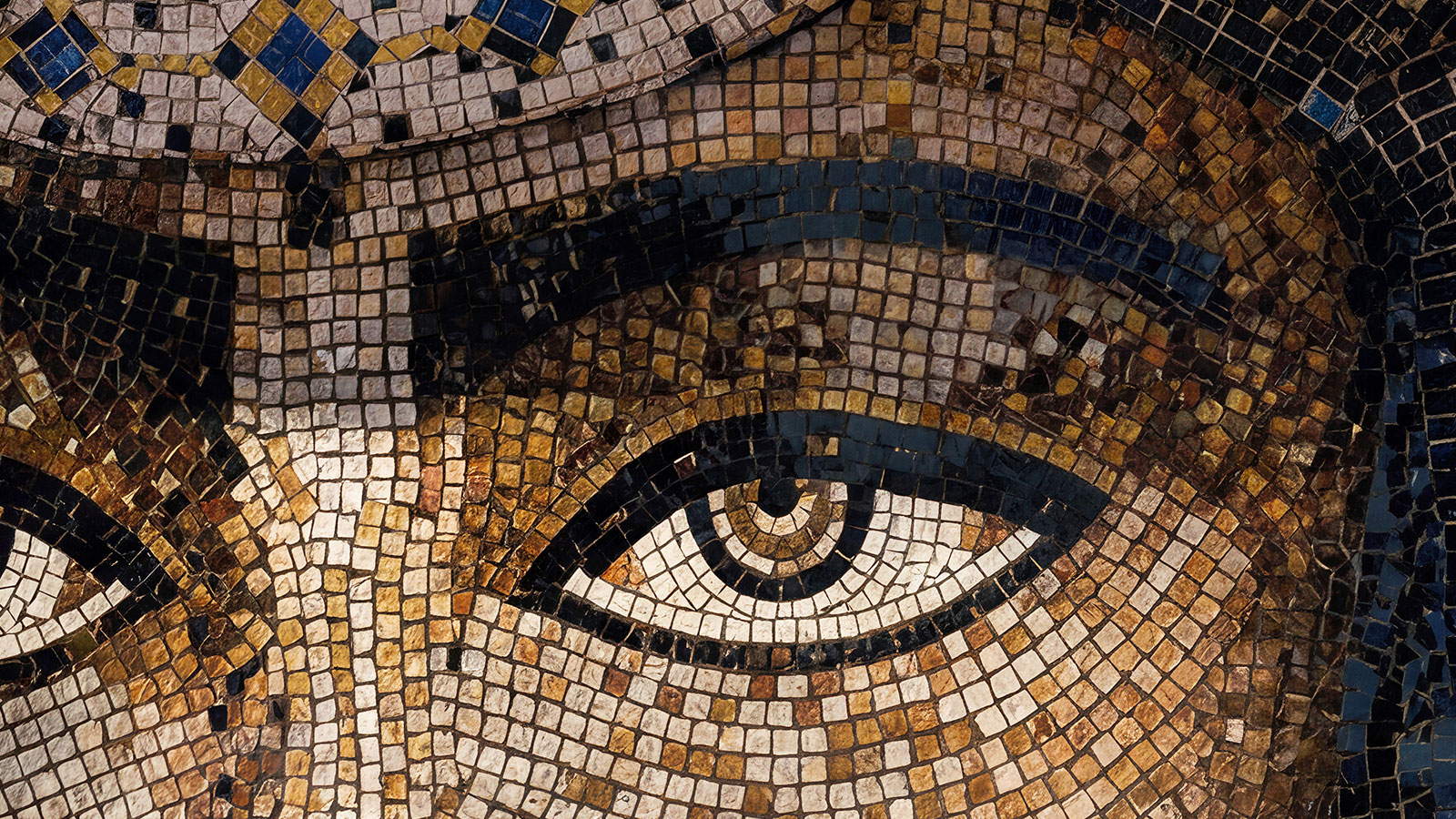
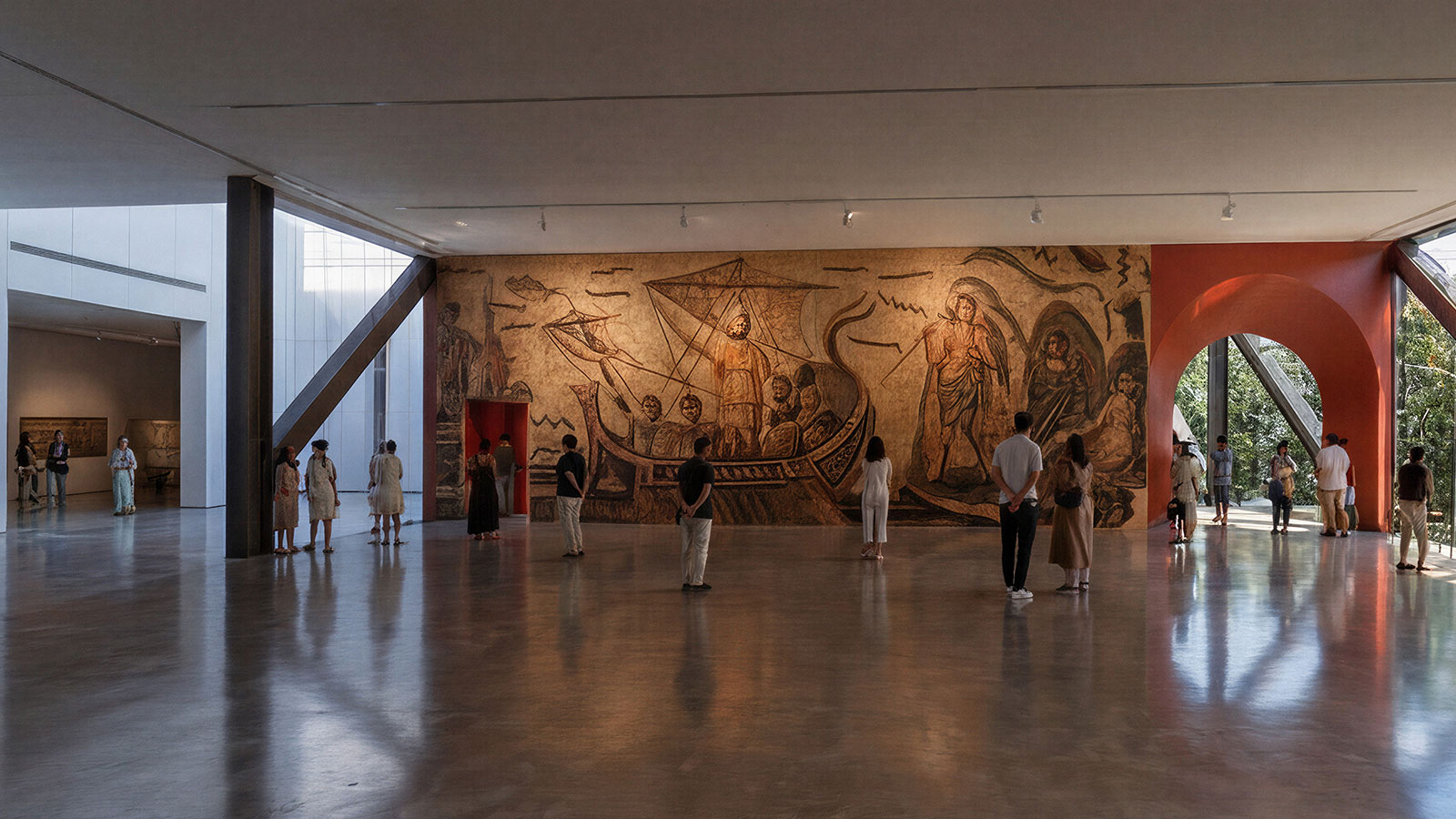
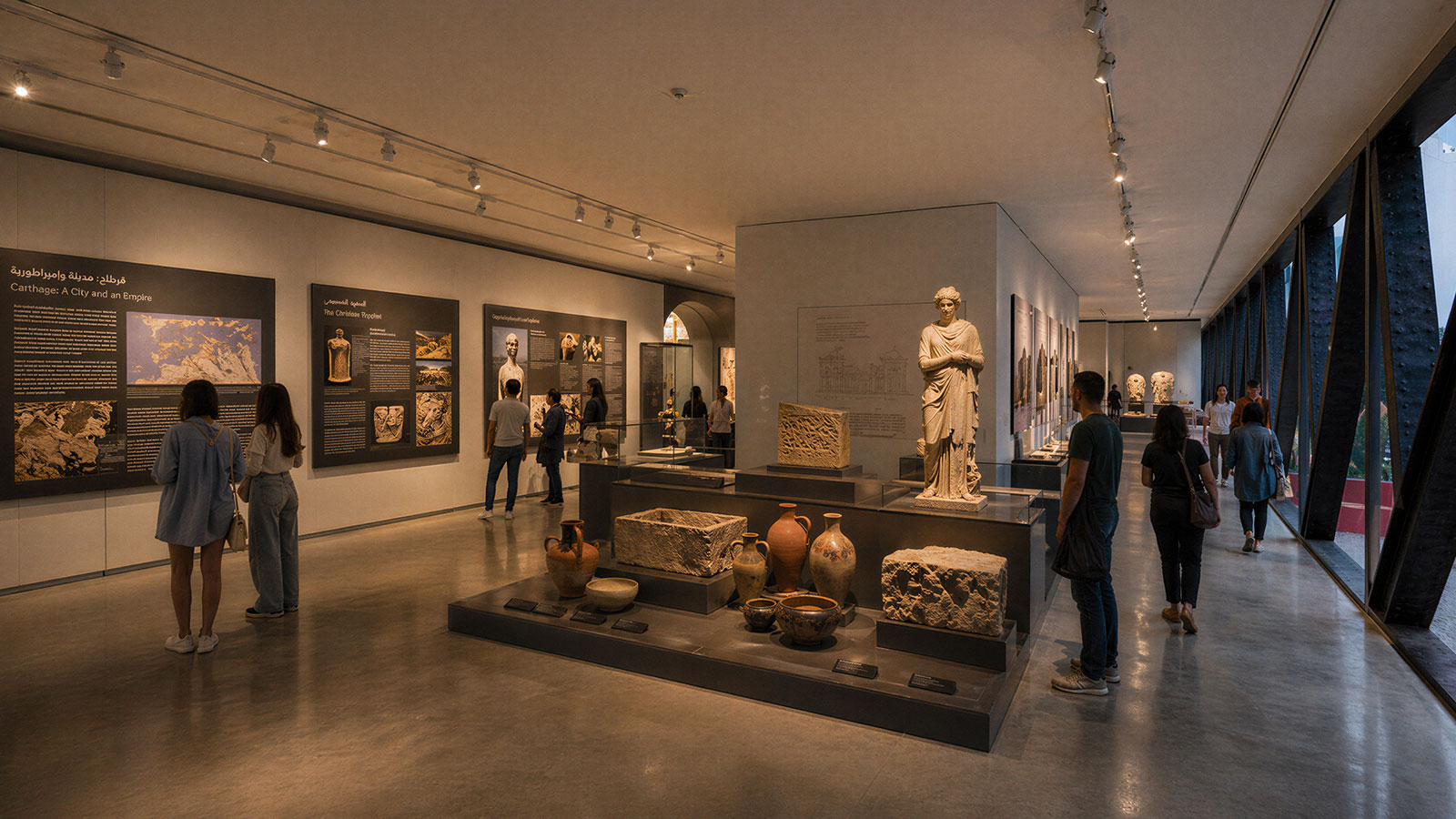
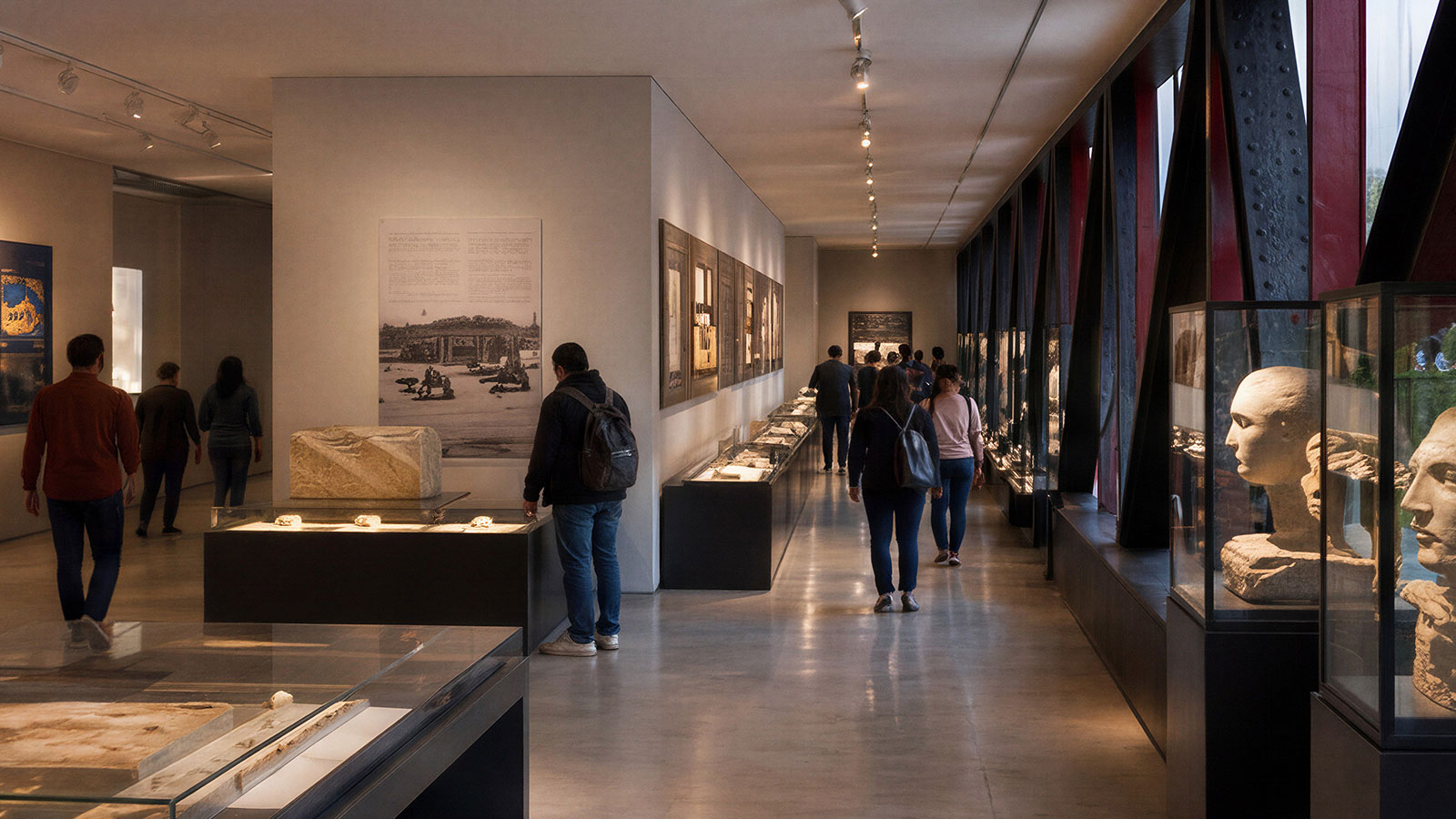
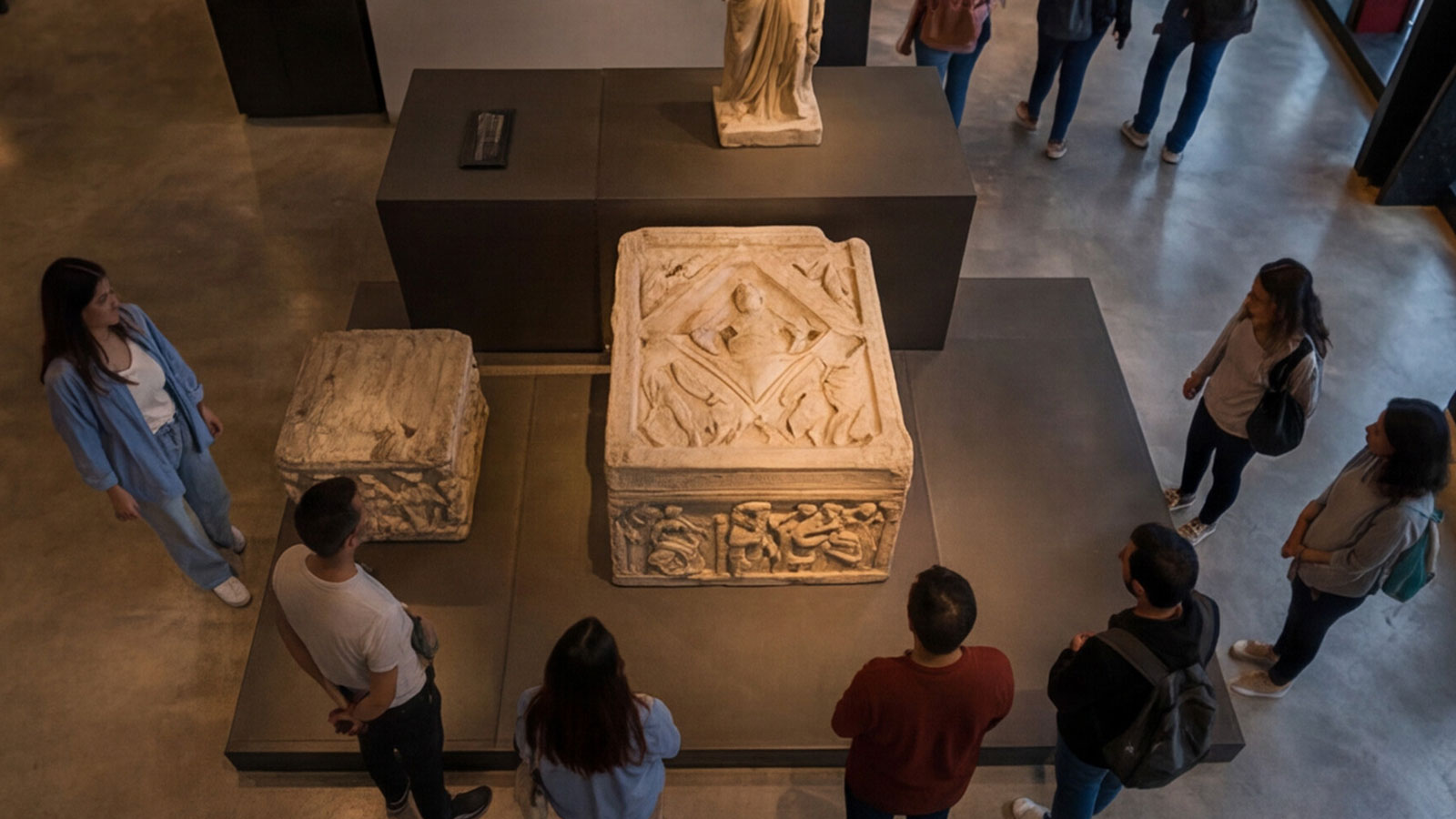
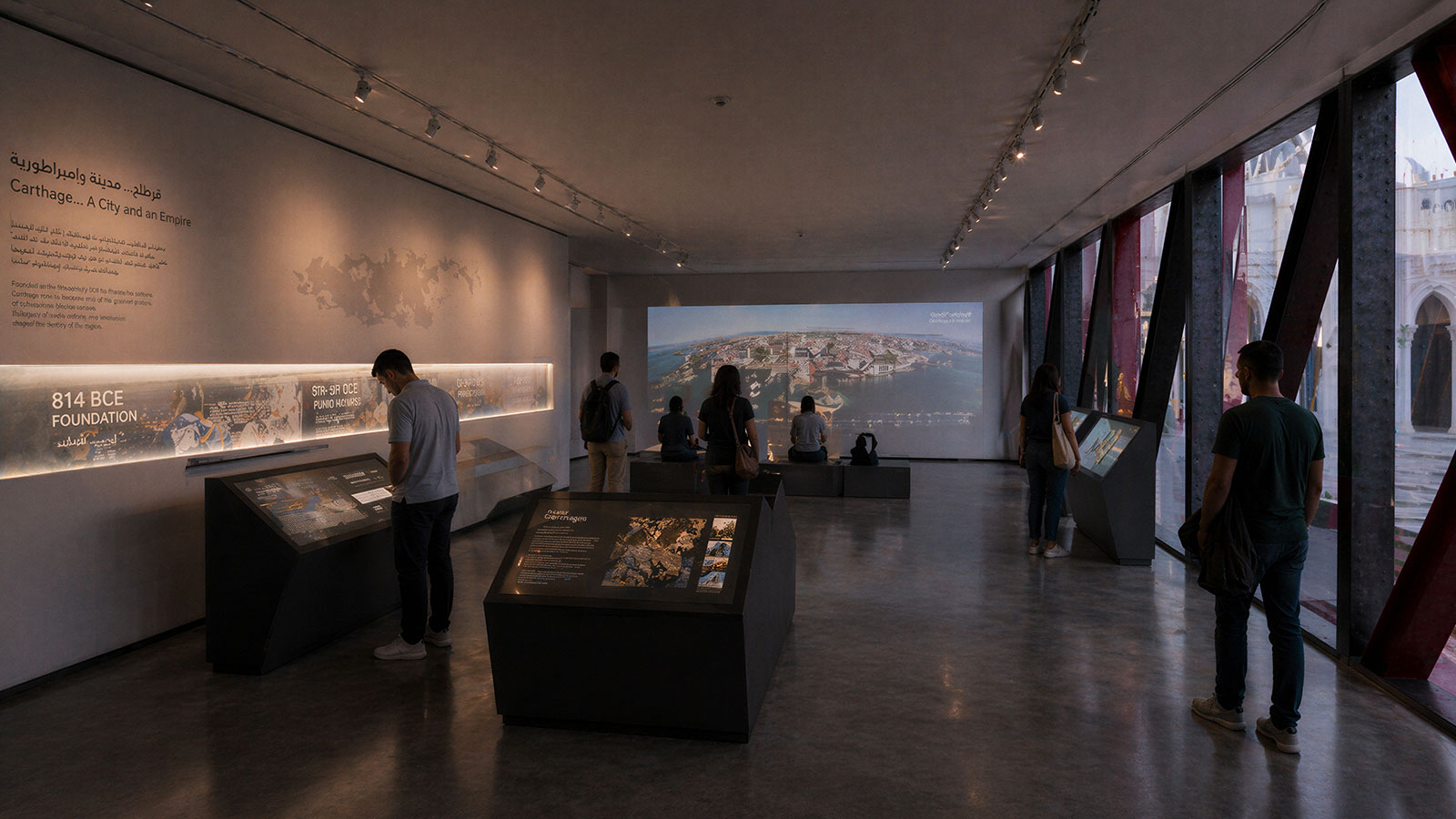
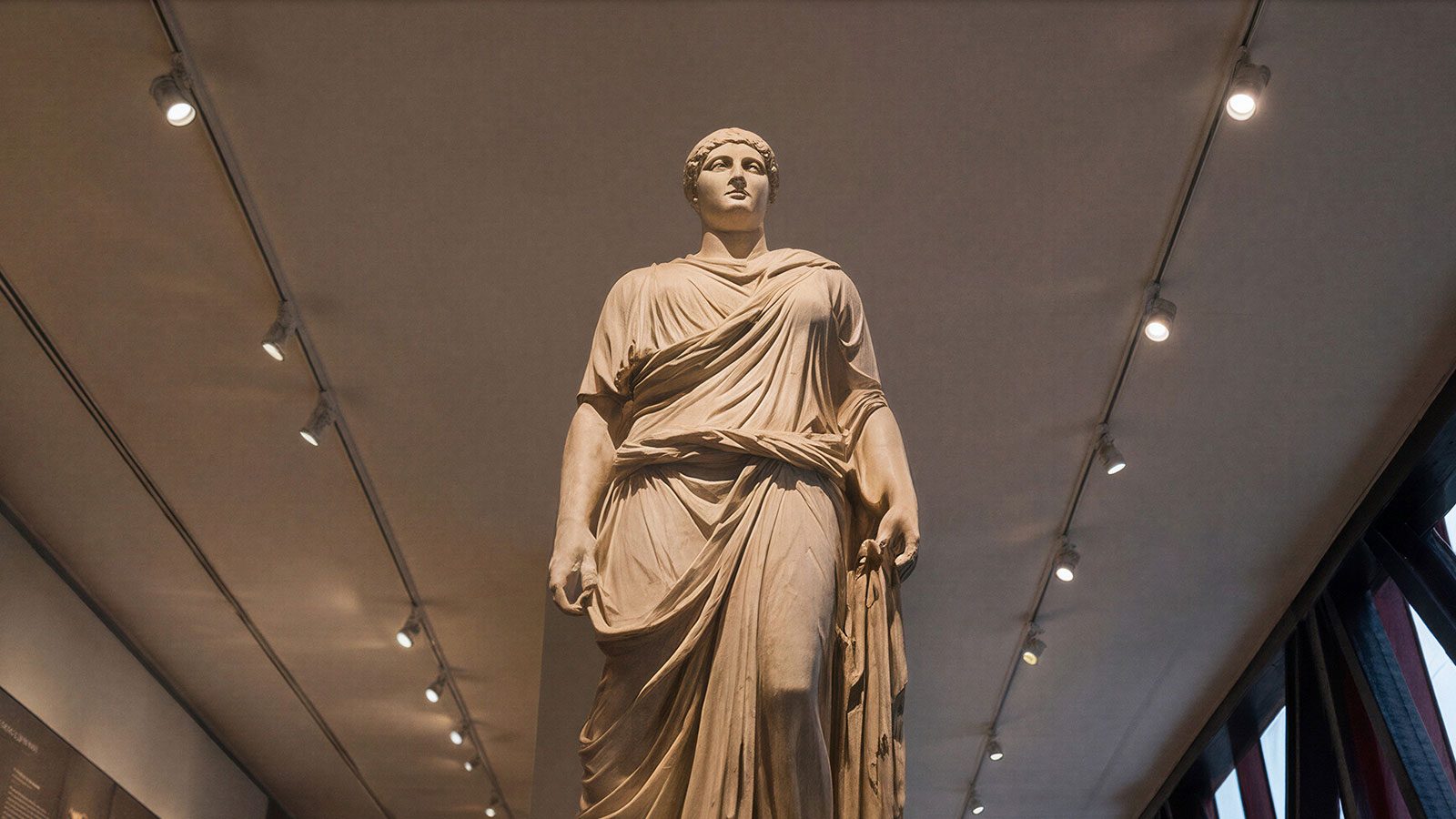
- Permanent Exhibition: The permanent exhibition will be organized chronologically and thematically, following Carthage's history from its mythical origins to the contemporary period. The exhibition will be divided into seven sequences, each highlighting key historical phases, such as Punic, Roman, and Byzantine Carthage.
- Temporary Exhibition: Space allocated for rotating exhibits that provide fresh perspectives and new content.
- Cultural and Educational Spaces: Includes educational workshops, an auditorium with 120-150 seats, and a documentation center.
- Storage and Conservation Areas: Dedicated facilities for artifact storage, restoration labs, and archaeological repositories.
- Administration and Management: Offices for museum management and cultural programming.
- Technical Areas: Rooms for technical equipment, waste management, and storage.
Permanent Exhibition Program
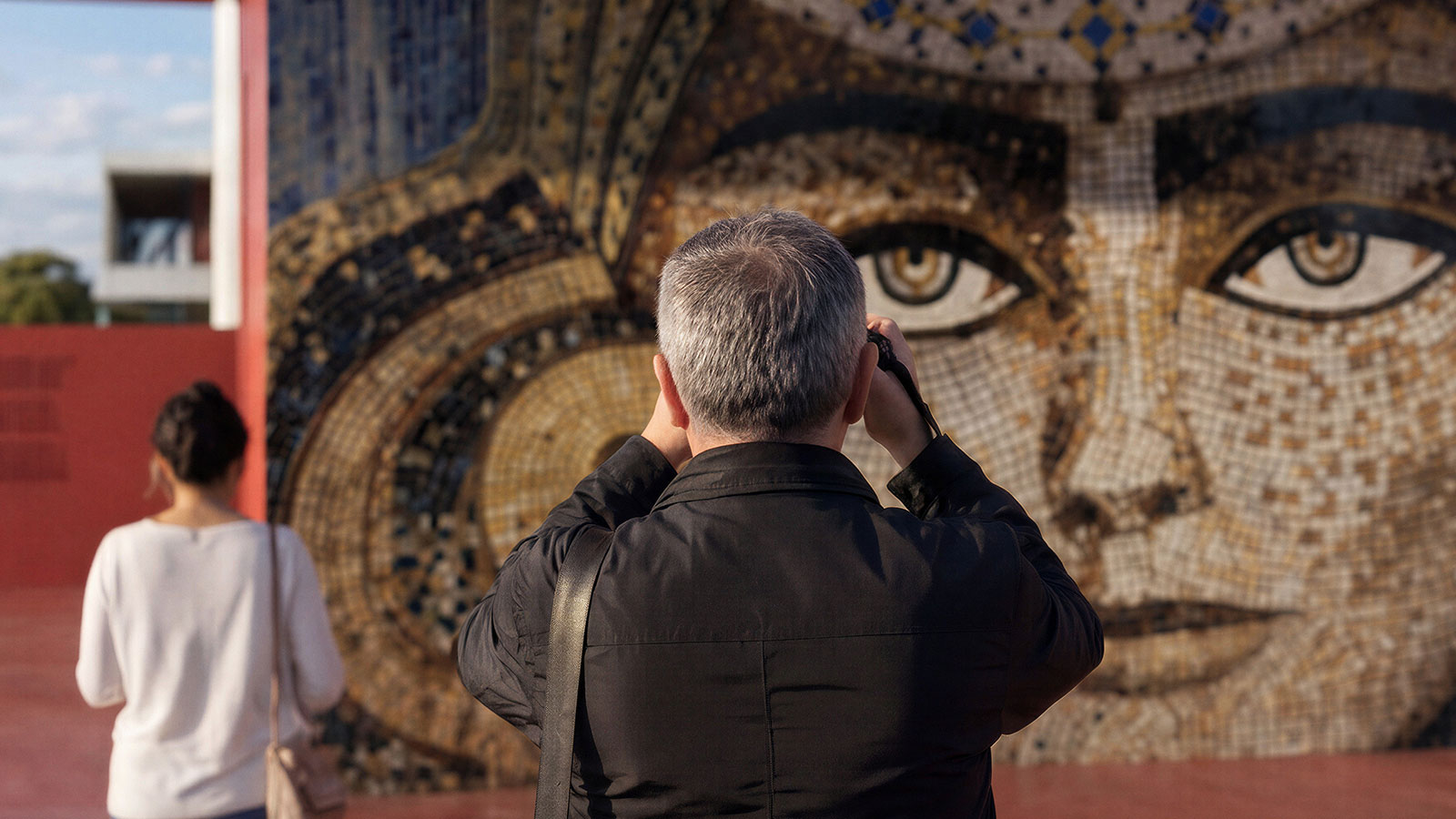
The permanent exhibition is a central feature of the museum, designed to offer a deep dive into Carthage's history. The exhibition will:
- Chronologically and Thematically Organized: The exhibition is divided into seven main sequences, including "Punic Carthage," "Roman Carthage," and "Byzantine Carthage," each carefully curated to highlight significant historical developments and their impact.
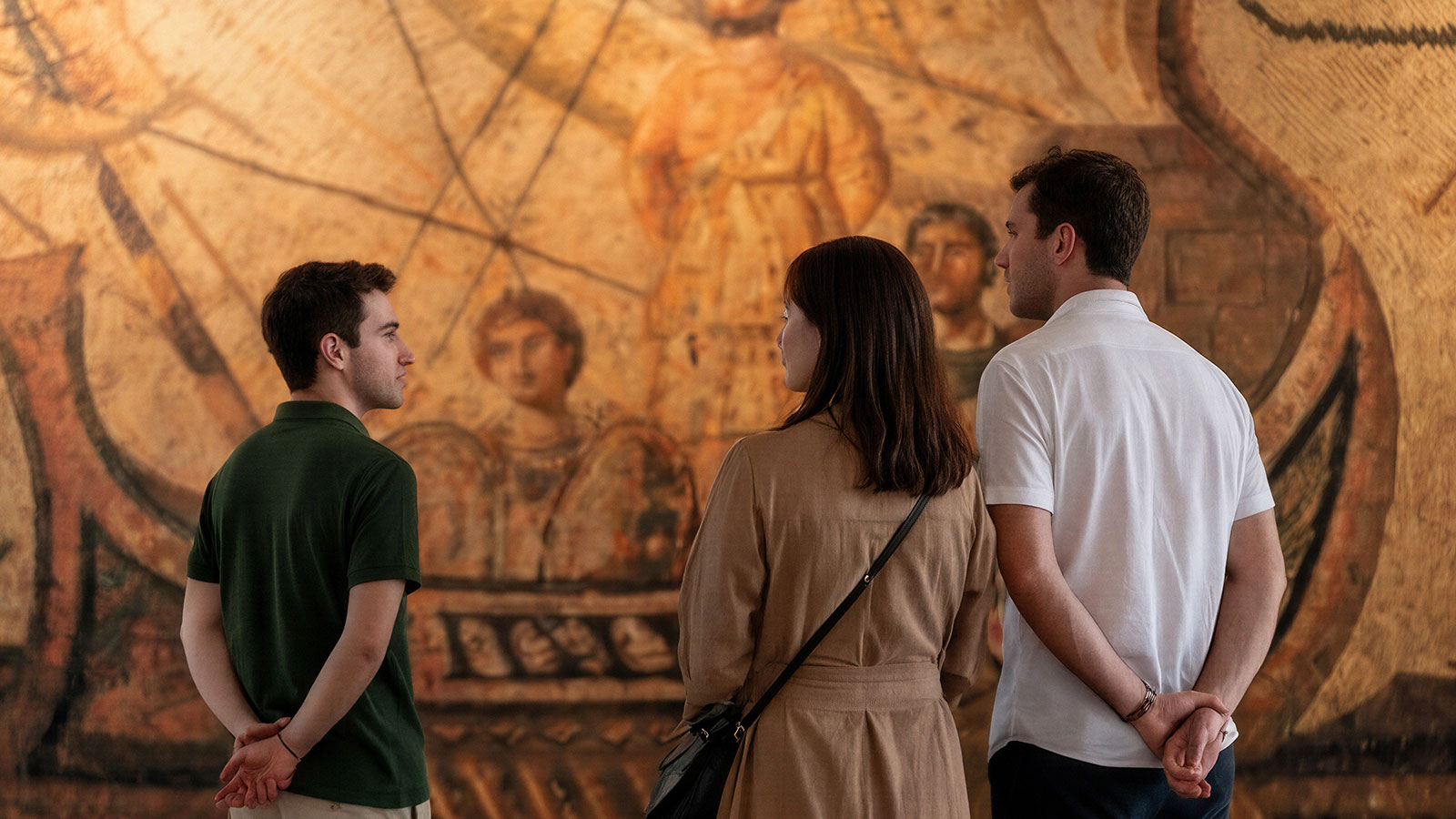
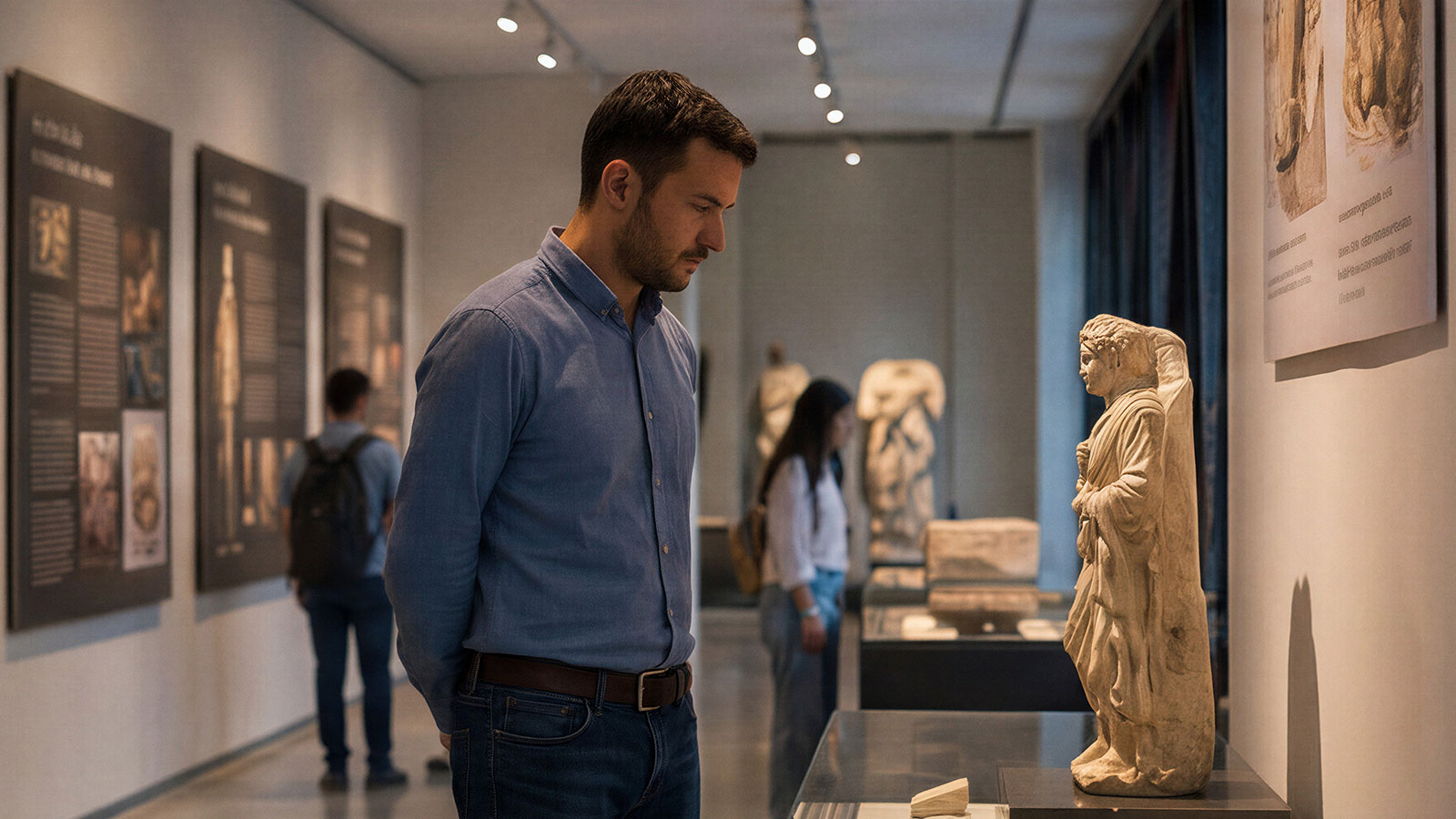
- Interactive and Educational: The scenography will include interactive and didactic elements, allowing visitors to engage with the history through digital and multimedia tools.
The Carthage National Museum project is a comprehensive initiative designed to revitalize the Byrsa Acropolis, integrating modern facilities with the preservation of historical significance. The project not only enhances the museum’s capacity to display and conserve Carthage's cultural heritage but also creates a dynamic space for educational and cultural activities, ensuring its place as a central cultural hub in Tunisia. The museum's design respects the site's historical context while introducing modern elements that make it accessible and engaging for a wide range of visitors.