


WHARF PROJECT — Land of Namar
A Landscape Narrative Shaped by Water, Terrain, and Memory
Introduction
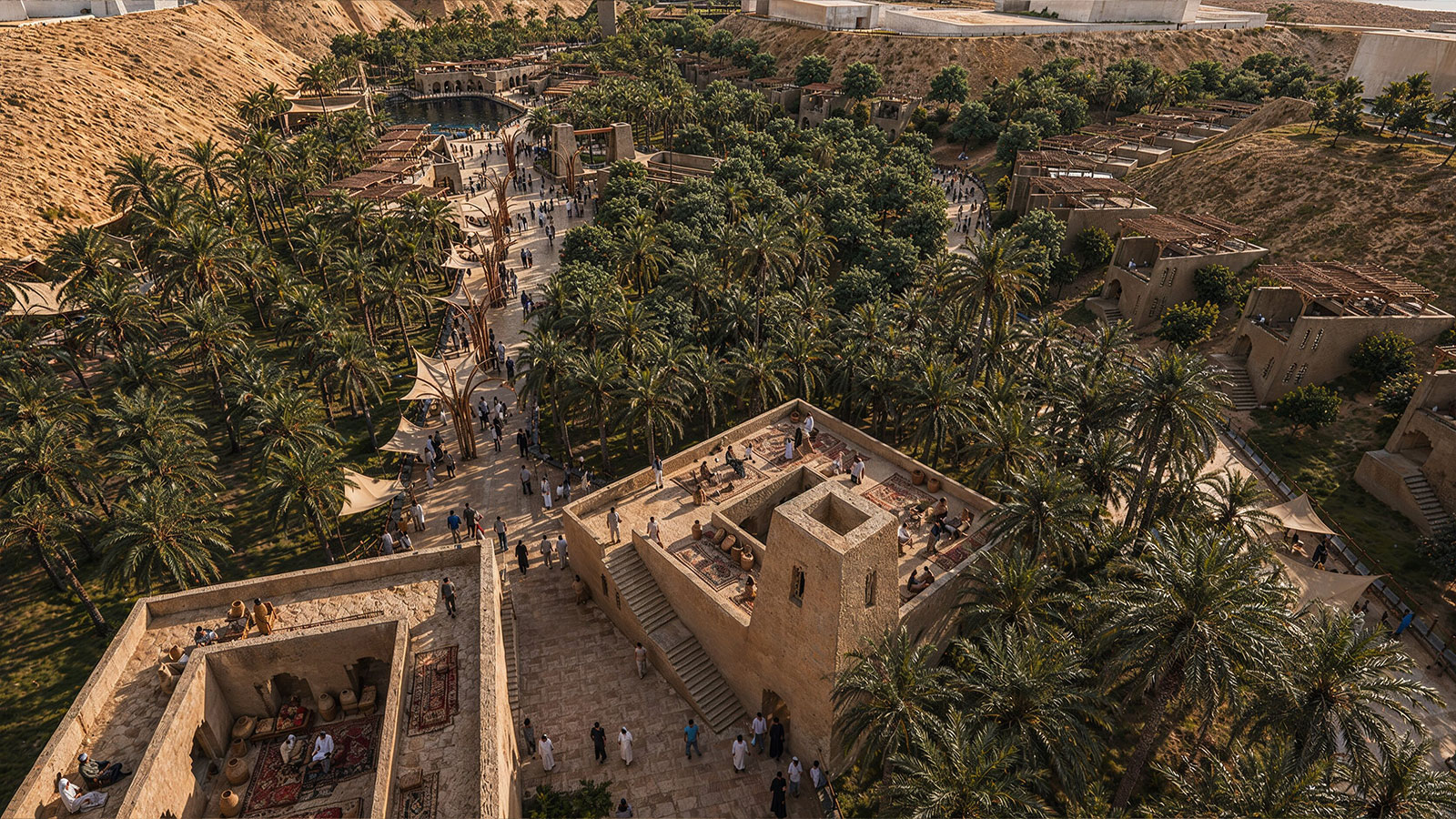
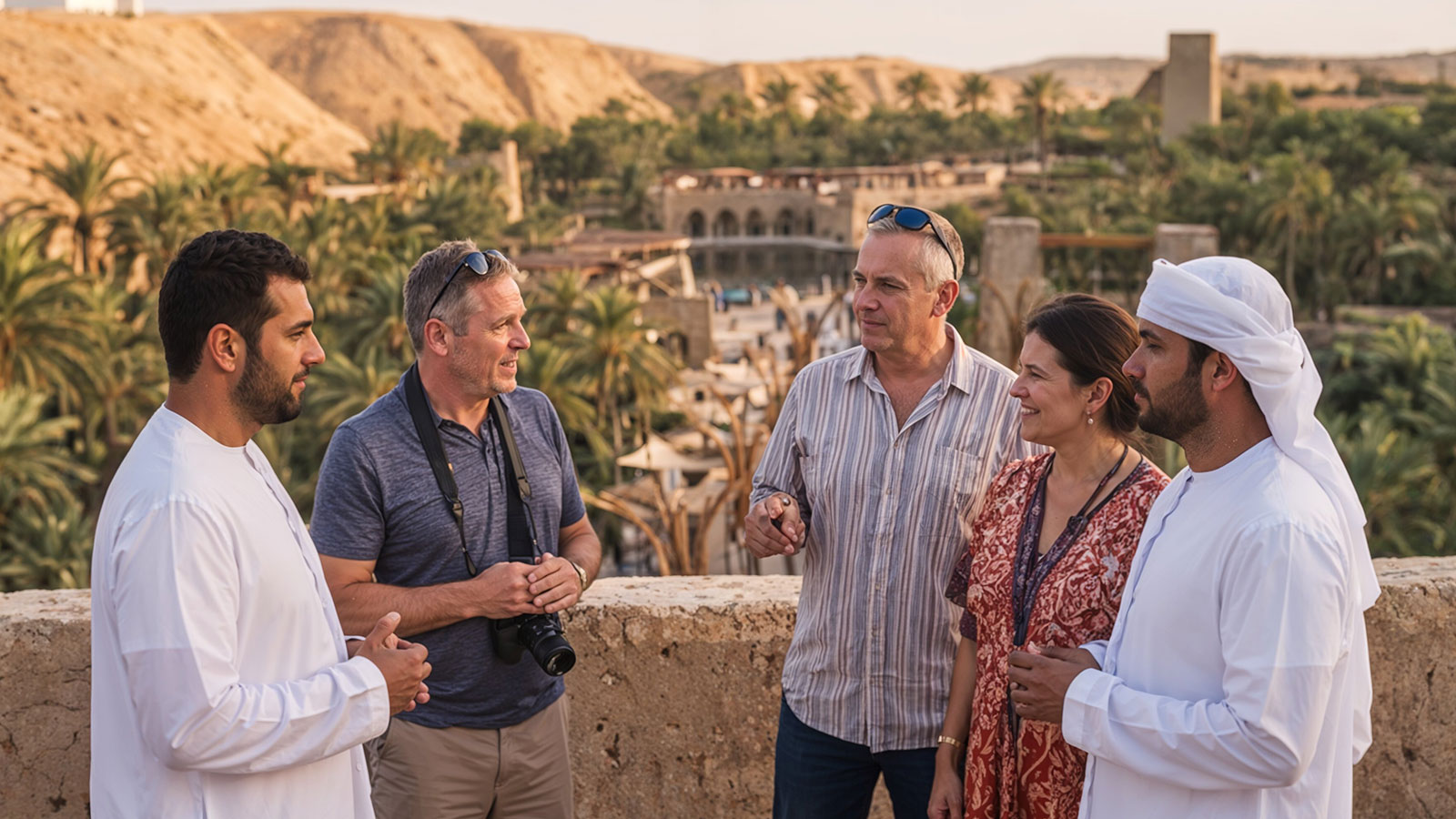
Located on the southern edge of Riyadh, the Wharf Project unfolds within the natural terrain of Namar Valley, near Namar Dam. The site covers approximately 12 hectares and occupies a transitional condition between urban expansion and a preserved natural landscape. Rather than treating the land as a neutral surface for development, the project approaches it as a living topography shaped by water, slopes, vegetation, and memory.
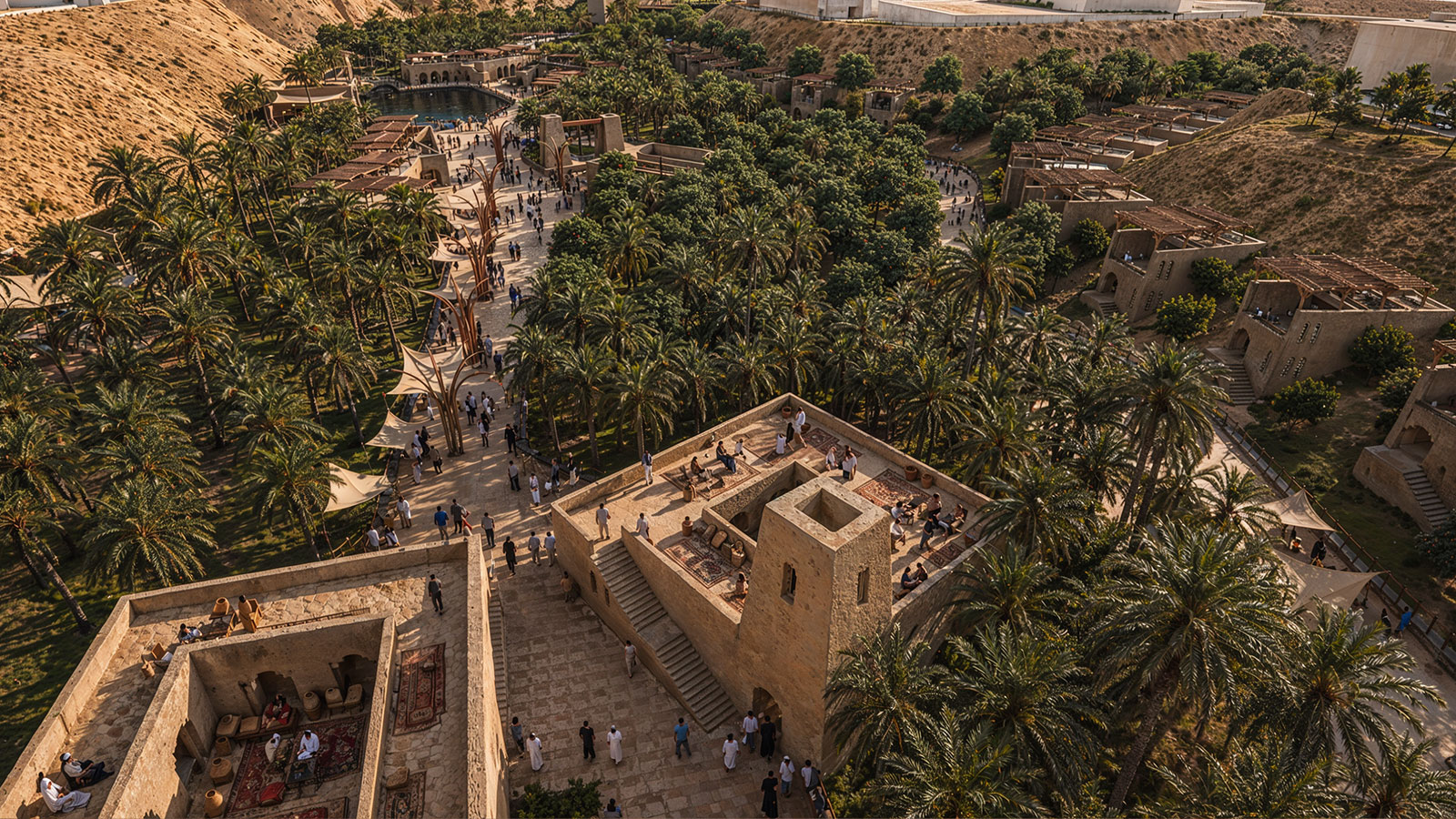
The land is composed of distinct topographical layers: a valley floor of approximately 5.4 hectares, sloped terrain of approximately 4.2 hectares, and several elevated plateau areas. This complex terrain becomes the primary generator of the design, guiding the distribution of functions, movement, views, and environmental strategies.
Architectural Concept
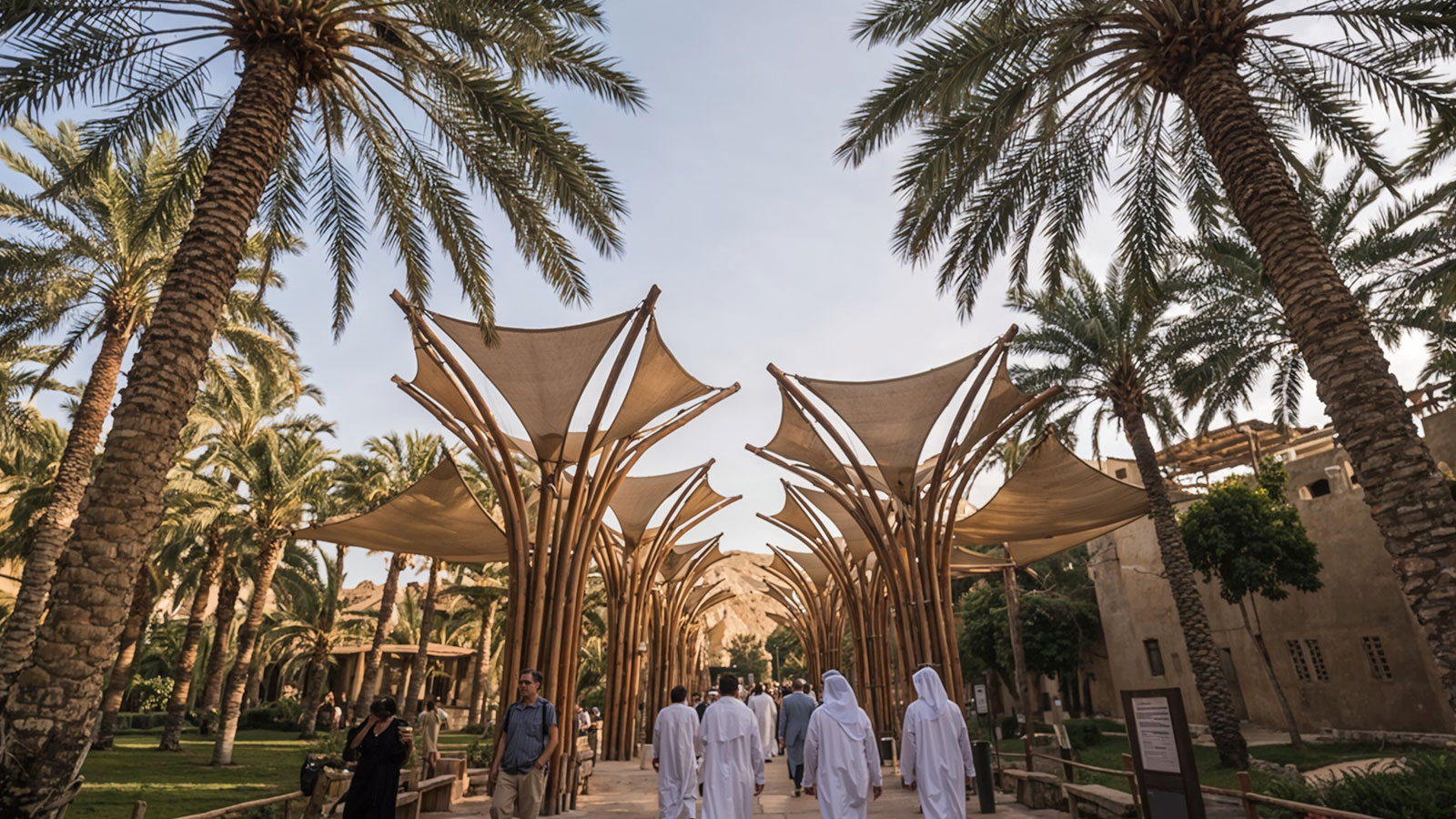
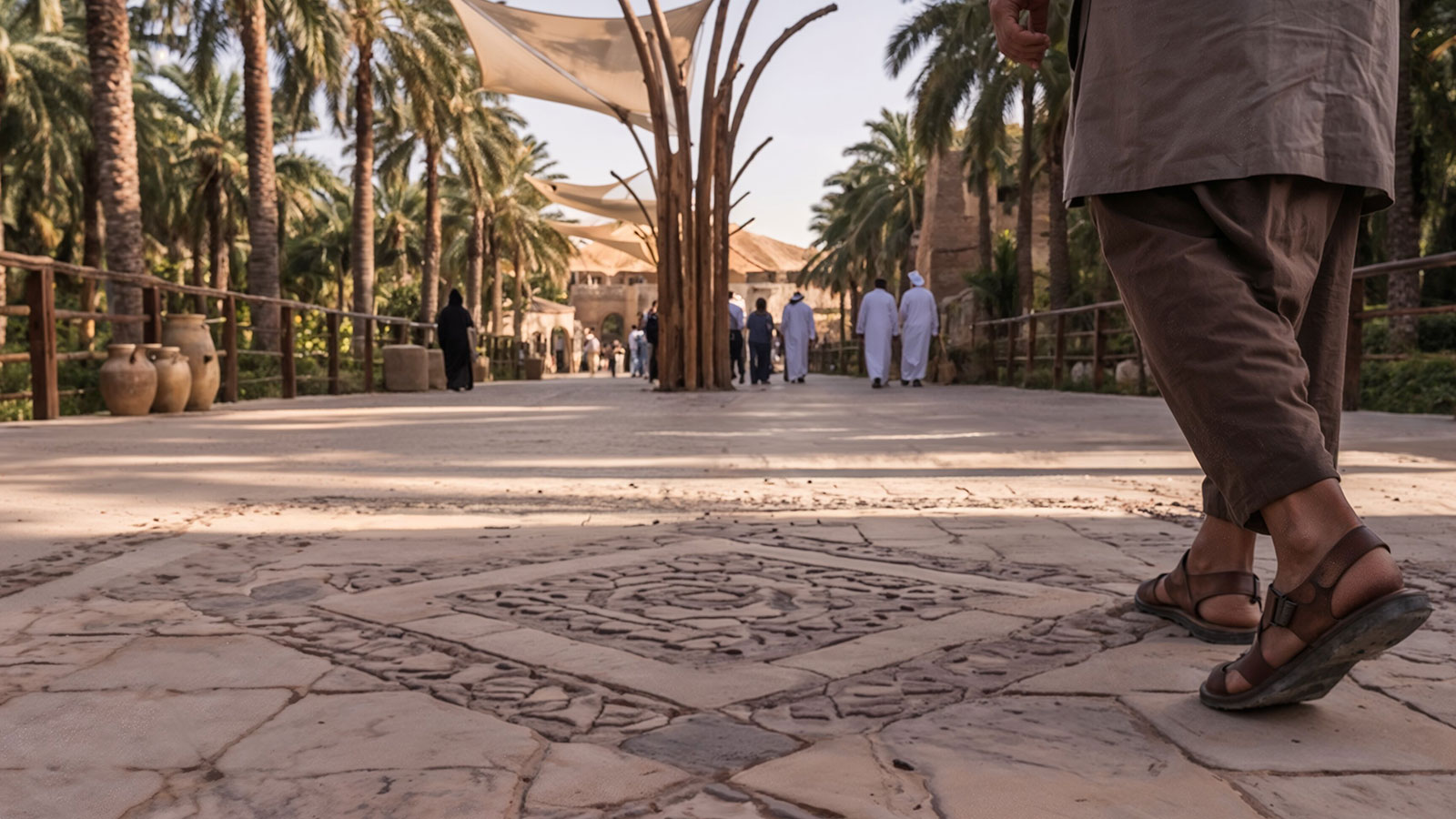
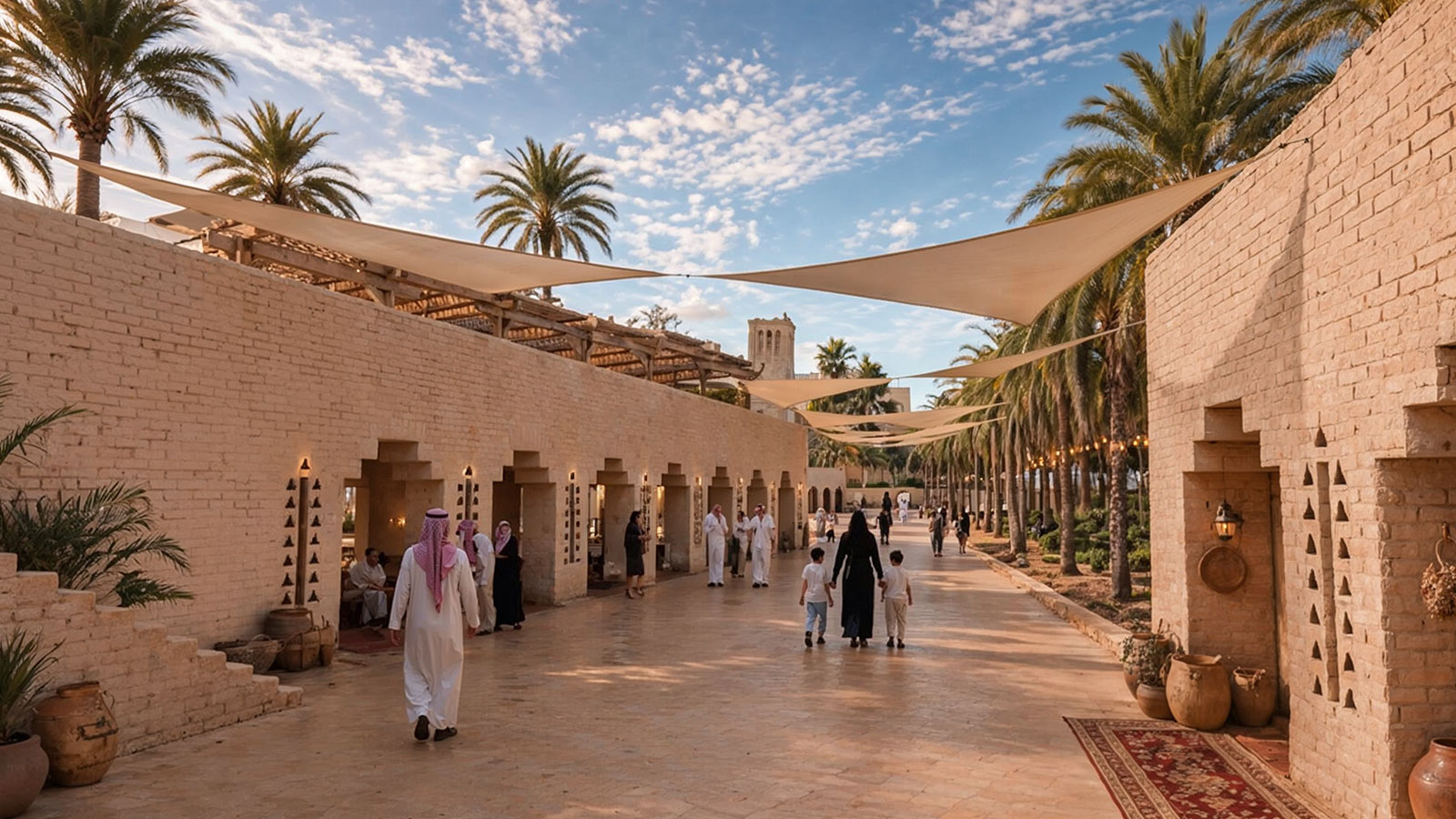
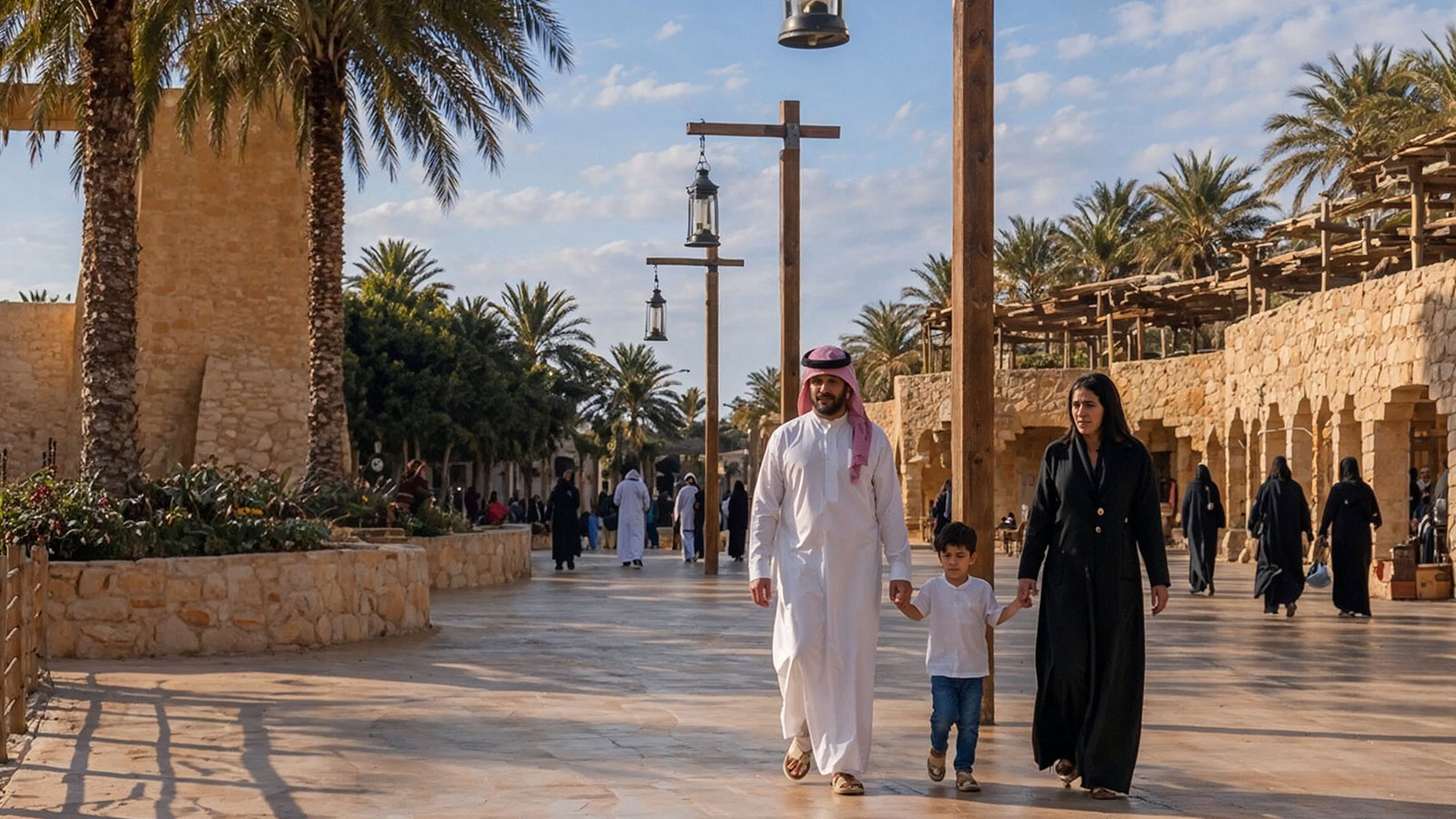
The project is organized around a primary pedestrian spine extending approximately 500 meters through the valley. This path is not designed as a rigid axis, but as a responsive spatial sequence that follows the natural character of the site. It becomes the main narrative device of the project, transforming movement into an architectural experience.
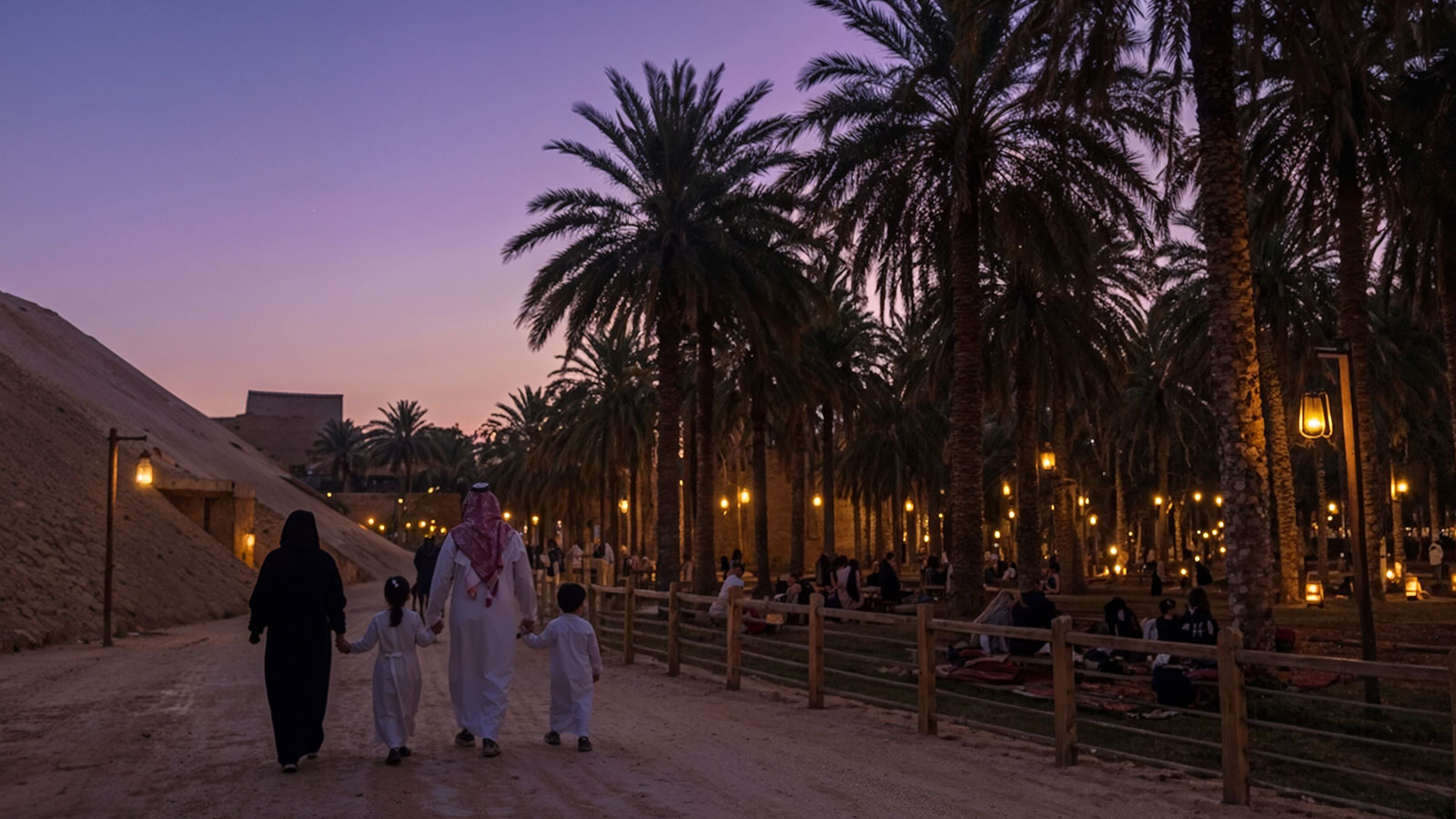
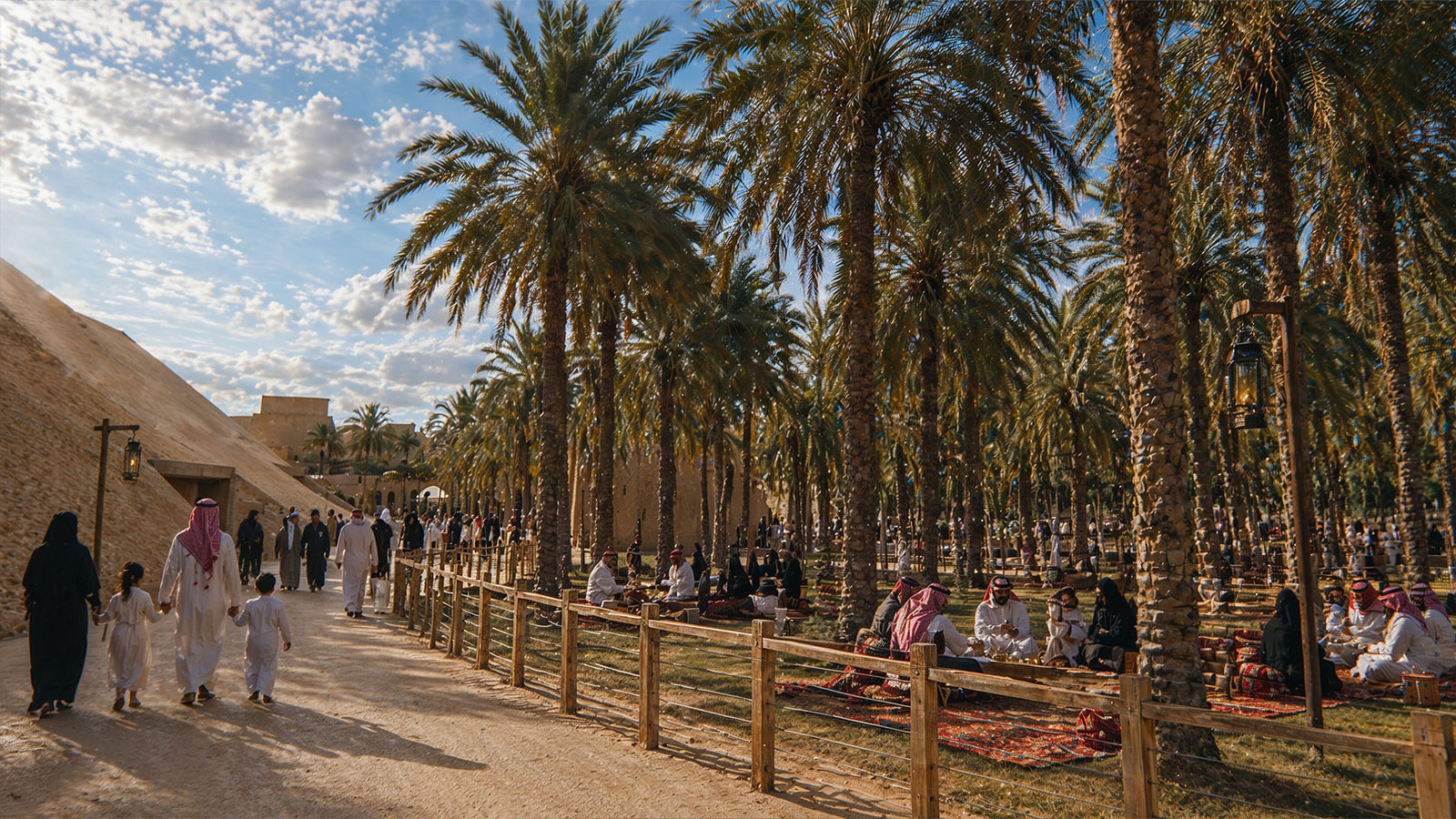
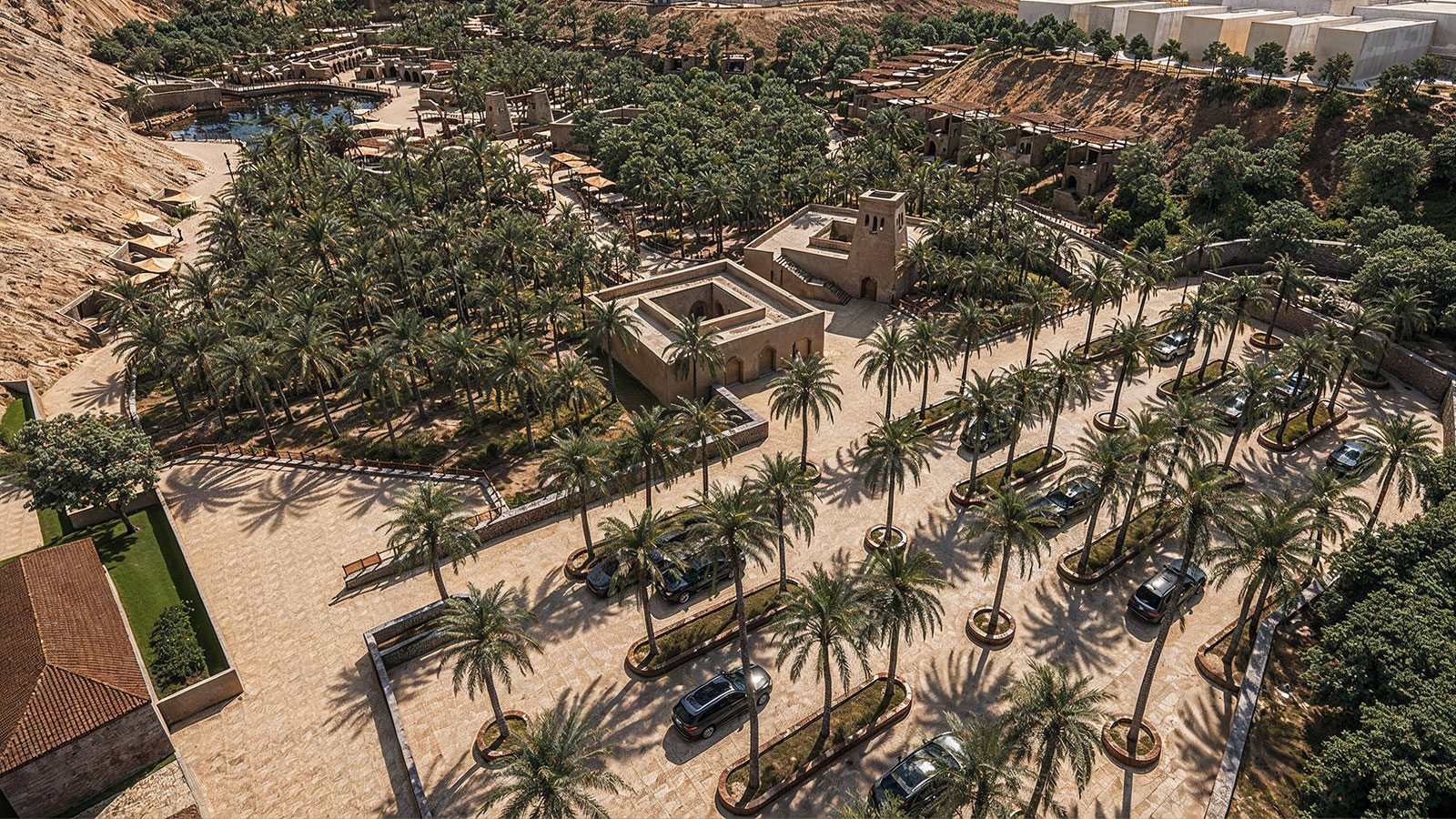
The journey begins at the arrival and parking area, which accommodates approximately 110 vehicles, then moves toward the reception building and nursery. From there, the visitor gradually enters a cultivated landscape of orchards, shaded paths, planted areas, and sensory transitions before reaching the central water body, which forms the spatial and emotional heart of the project.
Spatial Experience
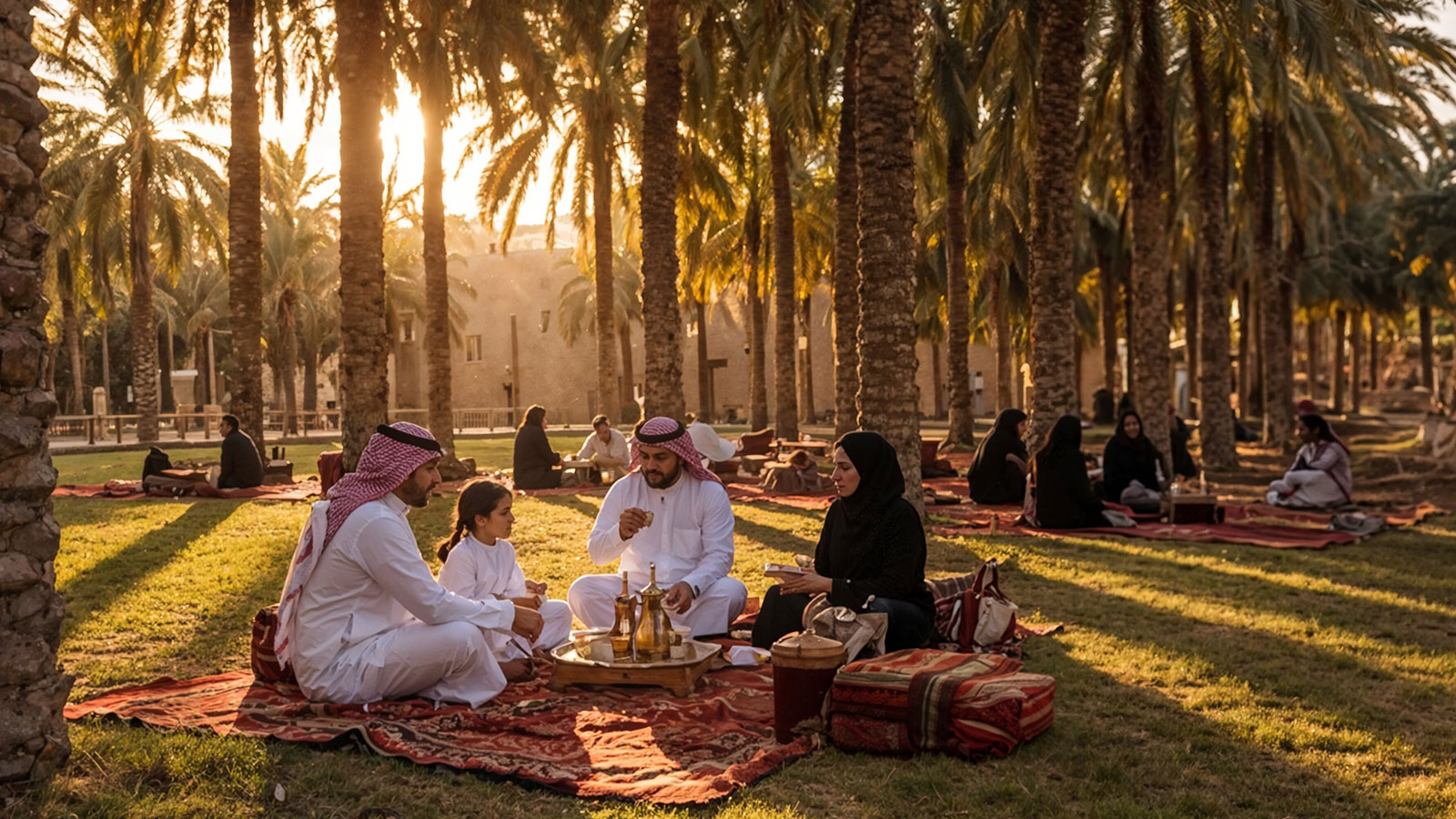
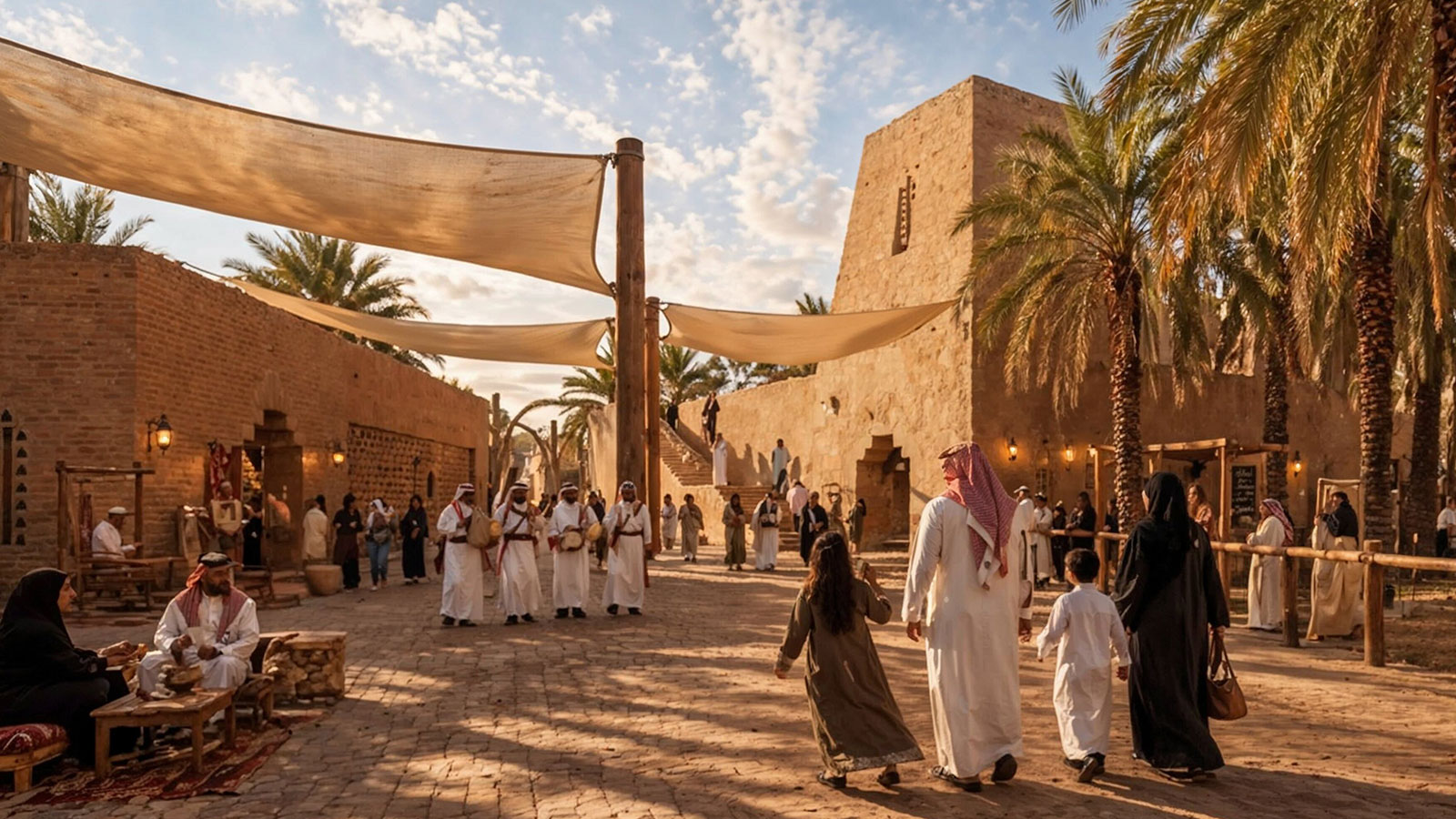
The experience of the project is based on gradual discovery. The visitor does not encounter the full site at once; instead, the valley is revealed through a sequence of framed views, shaded passages, planted edges, and open gathering spaces.
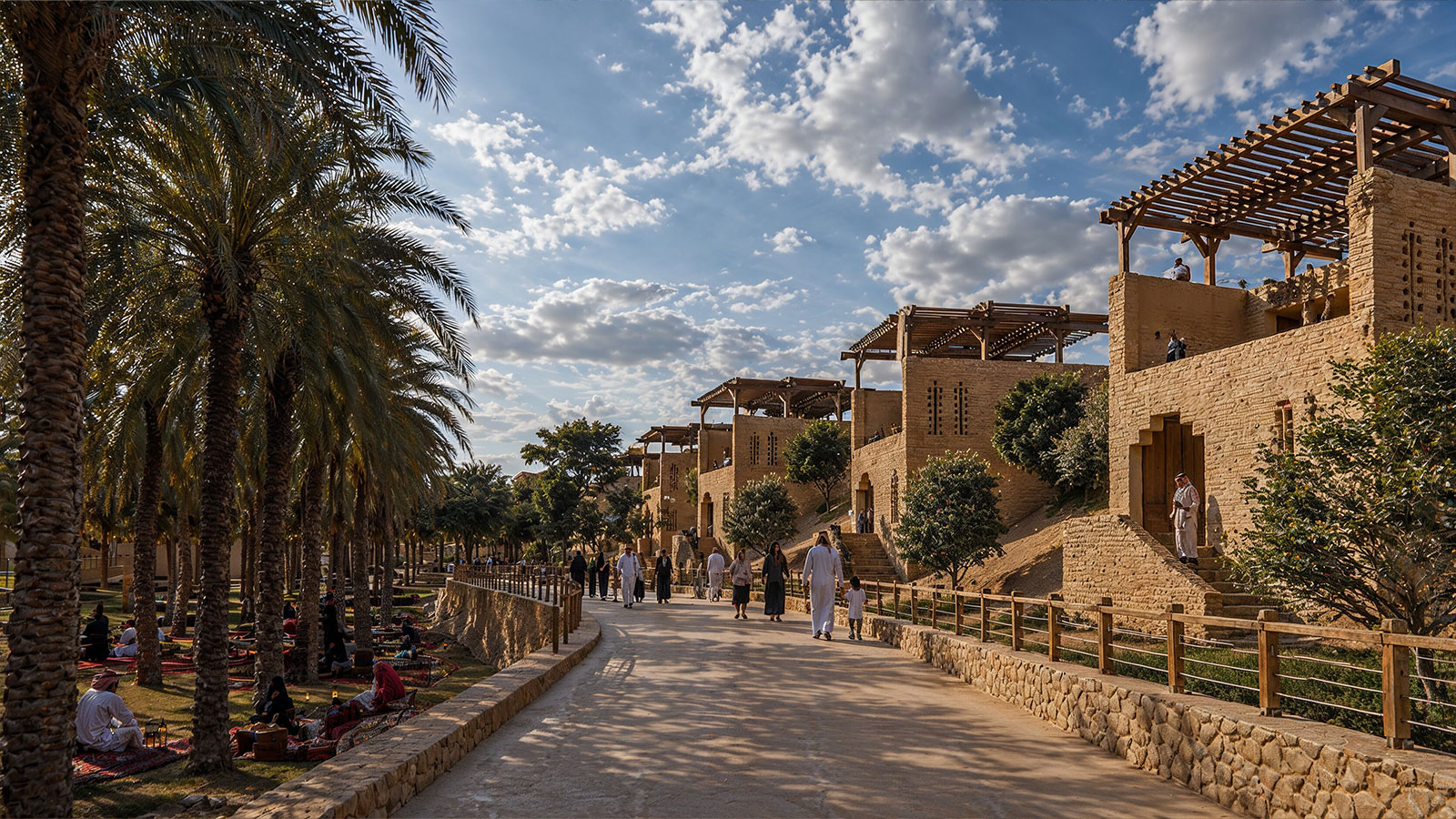
At the entrance, the built environment is deliberately restrained. Architecture gives priority to the landscape, allowing vegetation, topography, and filtered light to shape the first impression of the place. As the path continues, the geometry becomes softer and more fluid, encouraging slower movement and deeper engagement with the surroundings.
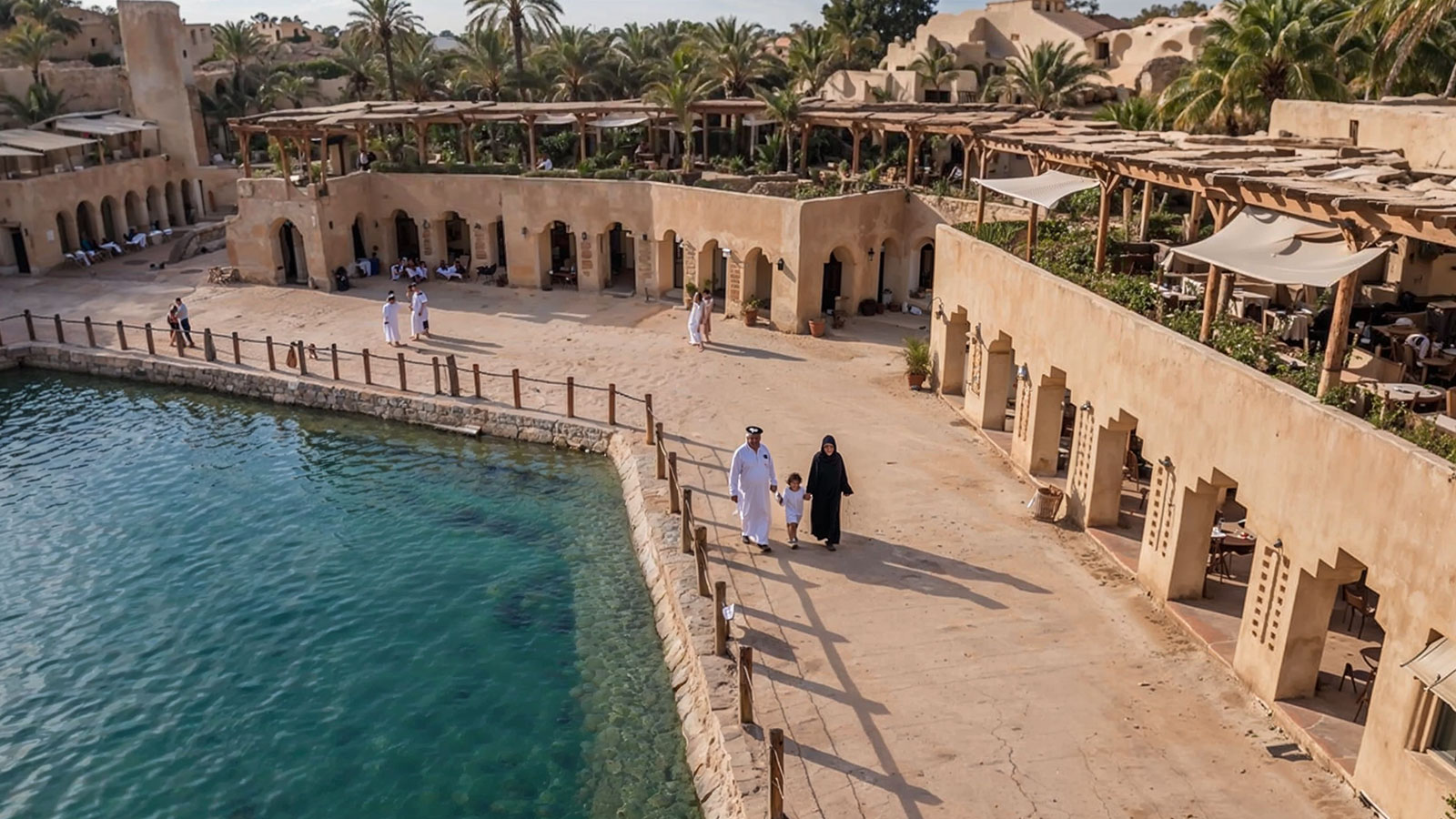
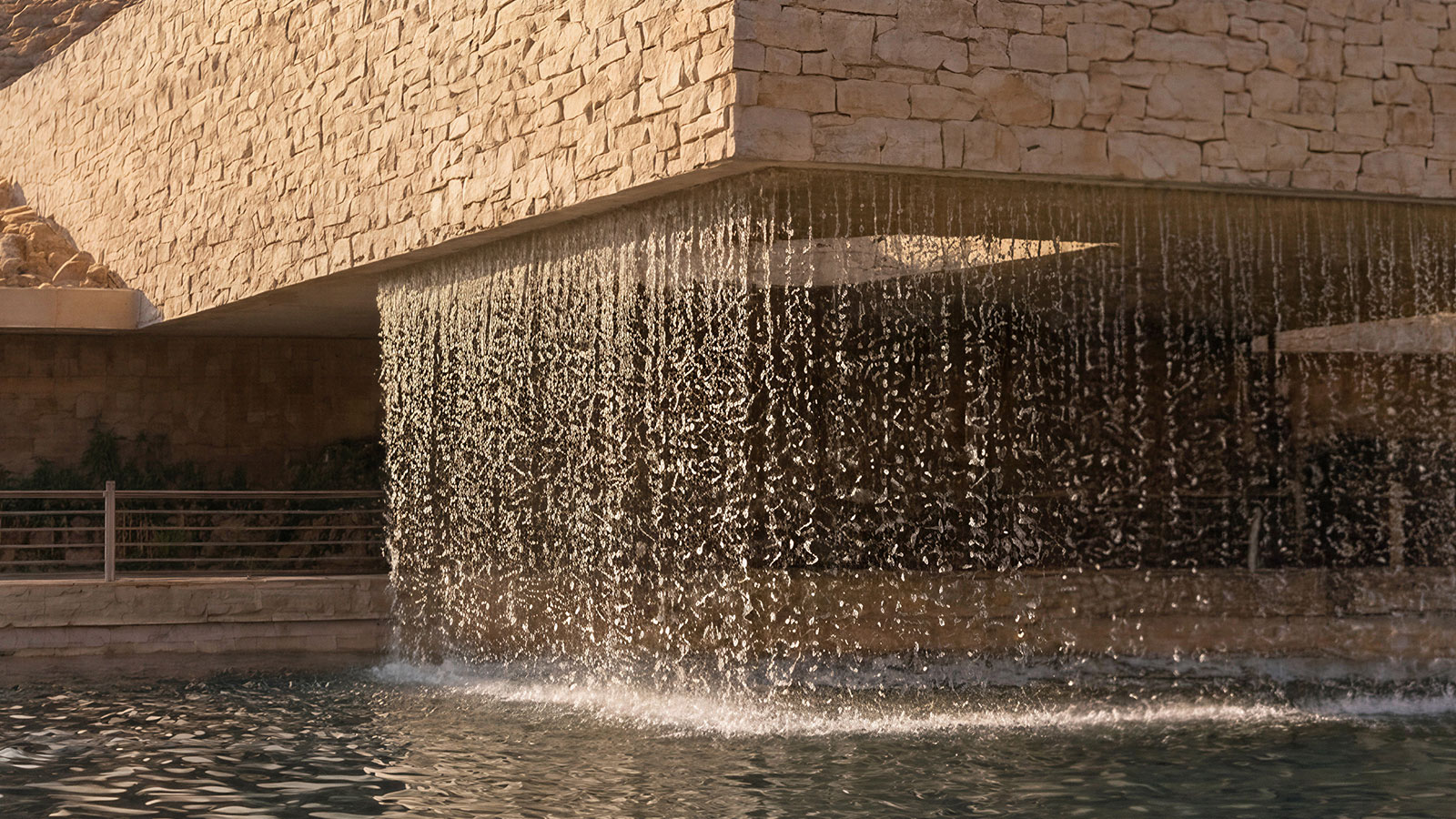
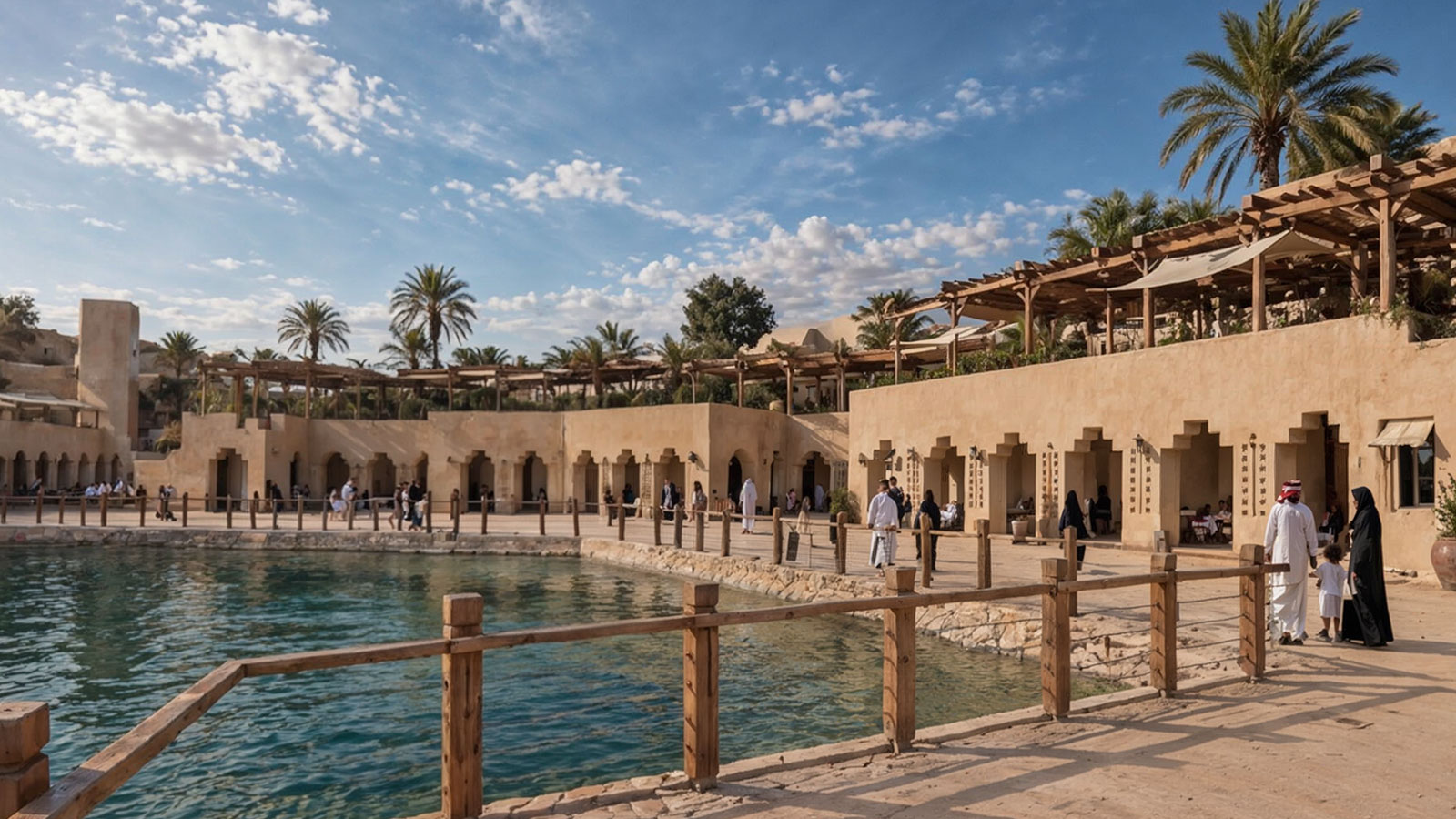
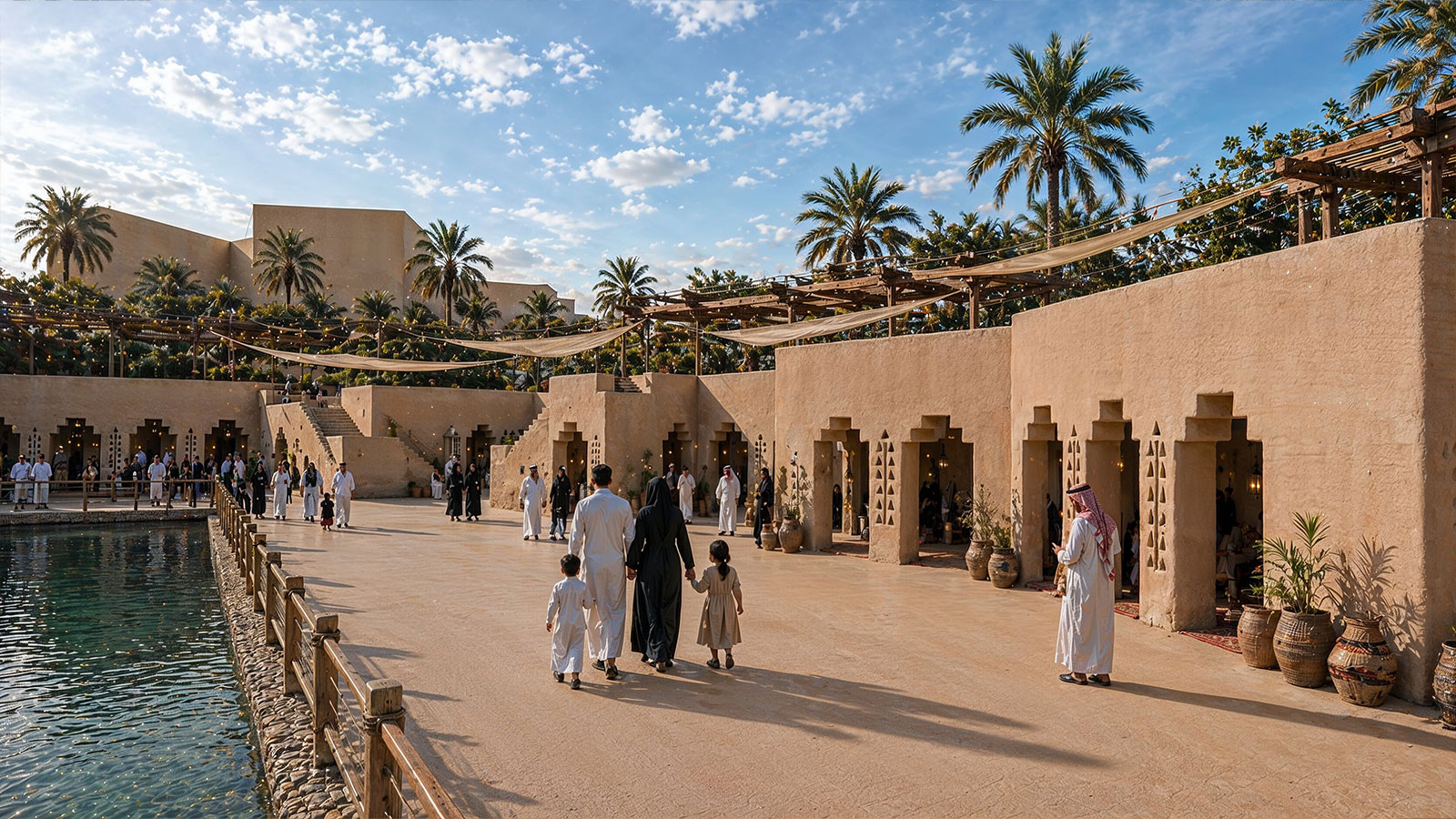
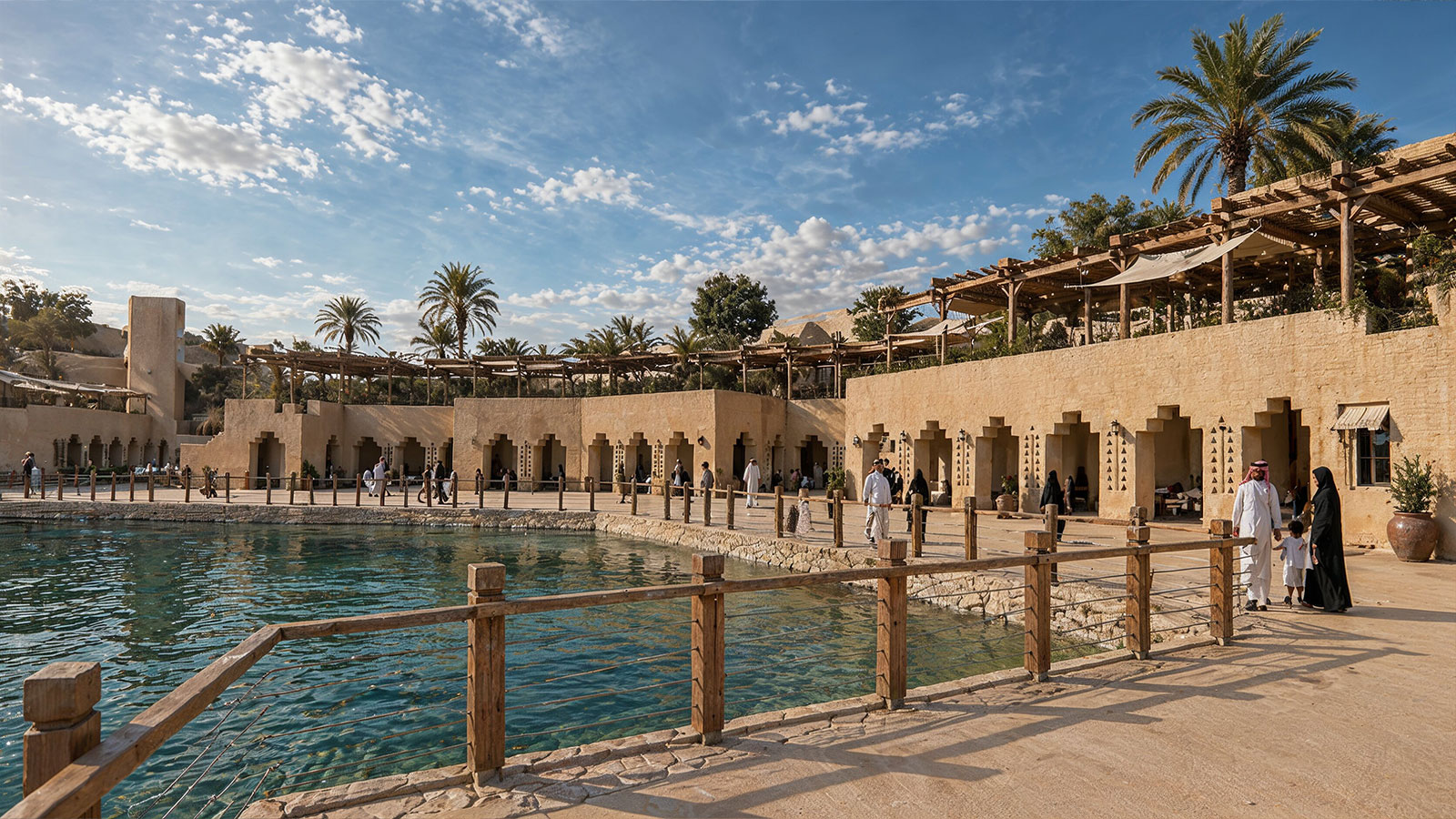
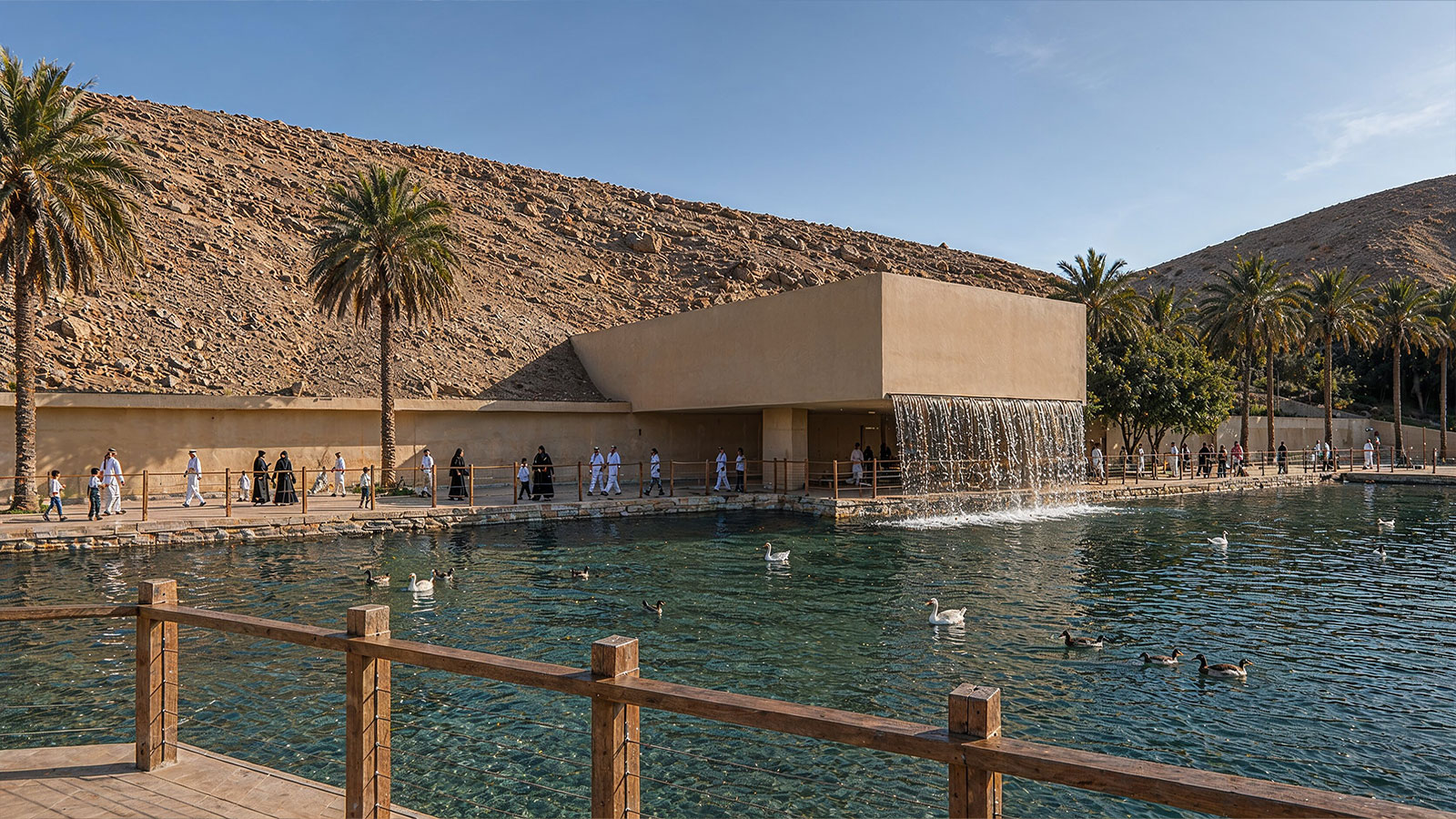
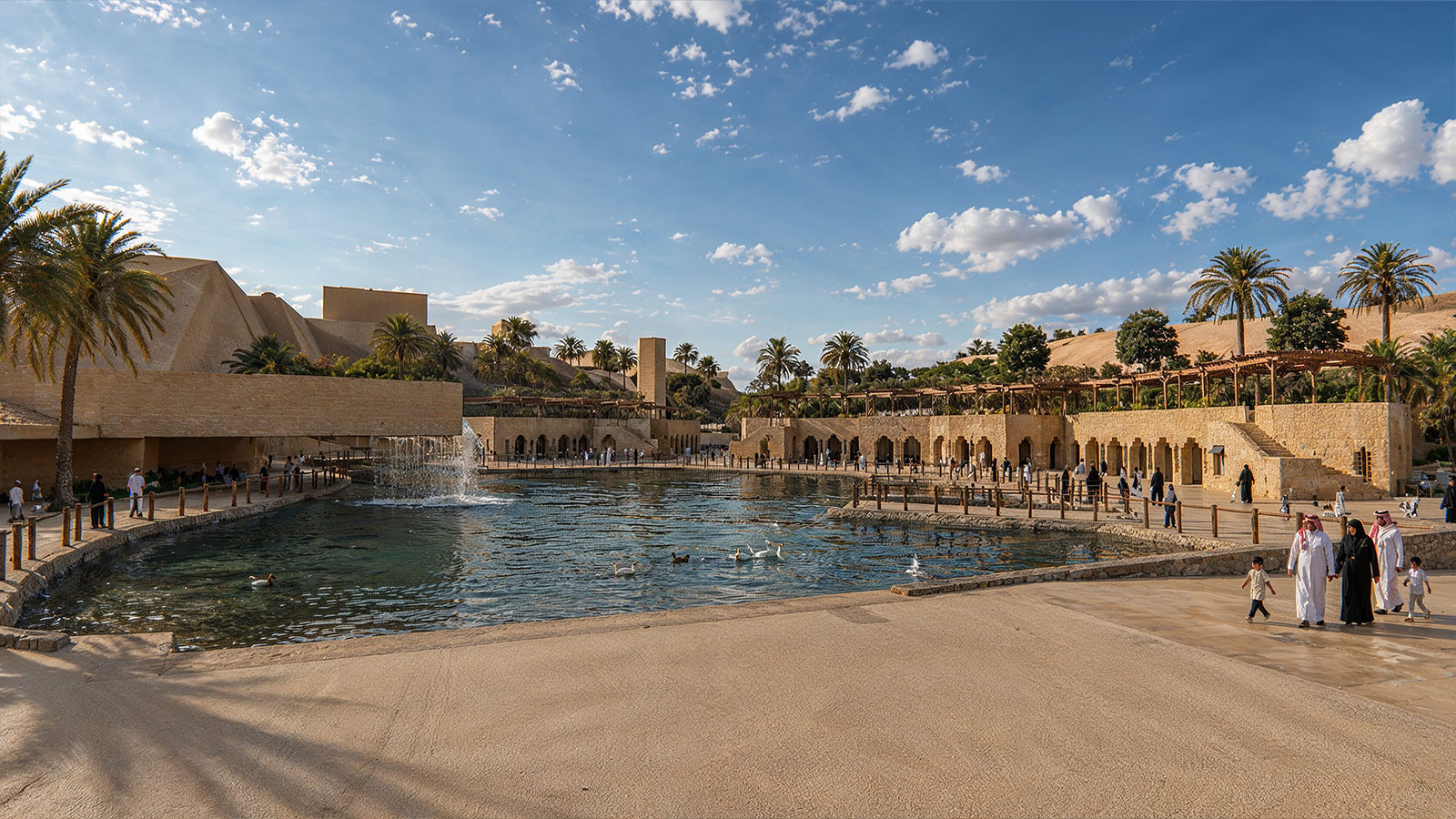
At the center of the project lies the main lake, connected conceptually to an existing well. This water element serves as a symbolic, environmental, and social anchor. Around it, the main public functions are arranged: restaurants, cafés, terraces, gathering areas, fountains, and a waterfall. Water is not used merely as decoration; it becomes a climatic moderator, a visual focus, and a reminder of the historical importance of water in desert settlement.
Program and Components
The project includes a diverse hospitality and leisure program carefully distributed across the site:
Hospitality Components
- Boutique hotel with approximately 26 keys
- 22 chalet units positioned for privacy and landscape views
- Private resort areas
- VIP cave-like majlis seating areas integrated into the terrain
Public and Recreational Components
- Main plaza
- Outdoor stage
- Children’s play area
- Sports area
- Women’s club
- Walking paths and shaded routes
Commercial and Cultural Components
- Restaurants
- Cafés
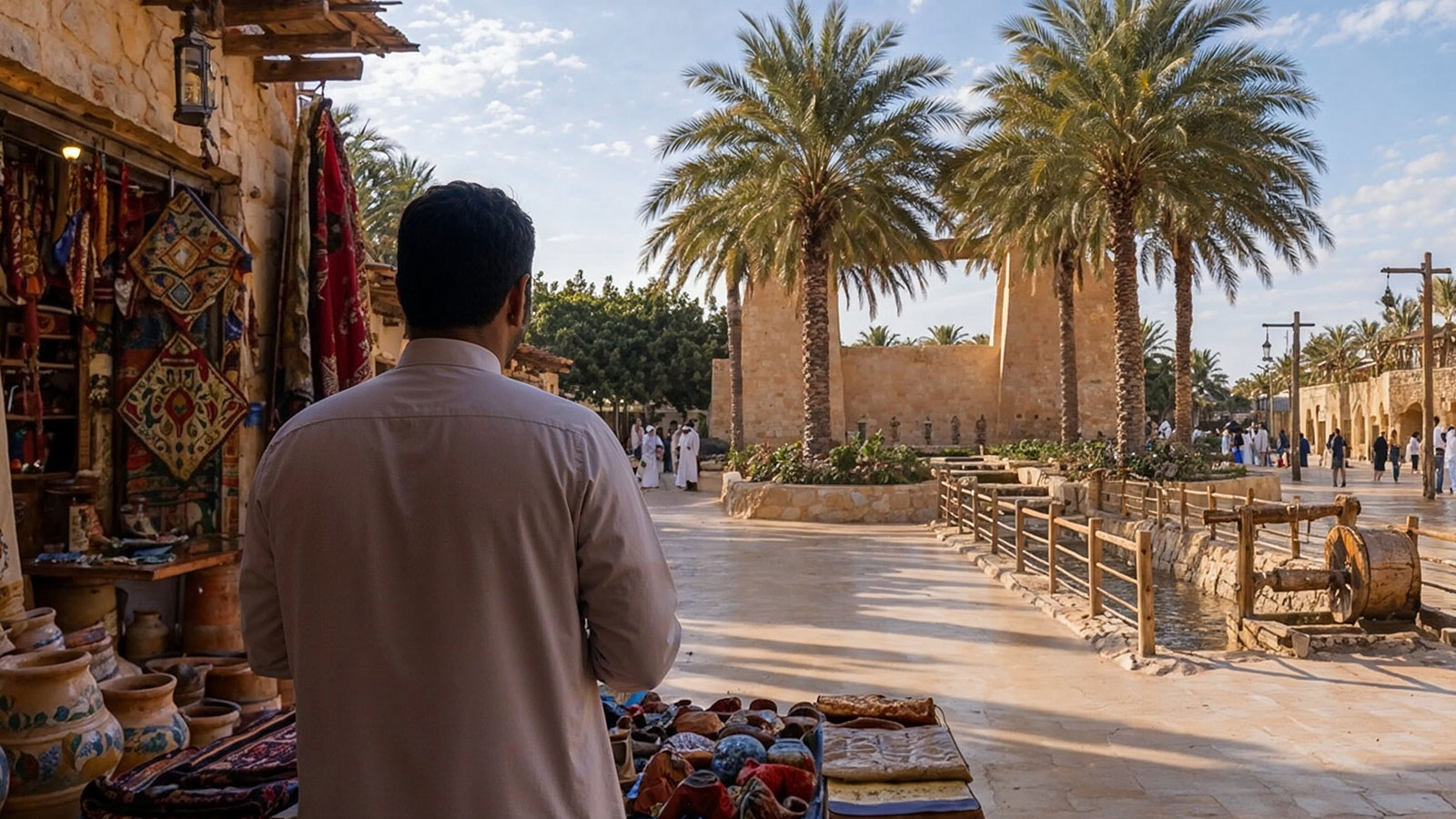
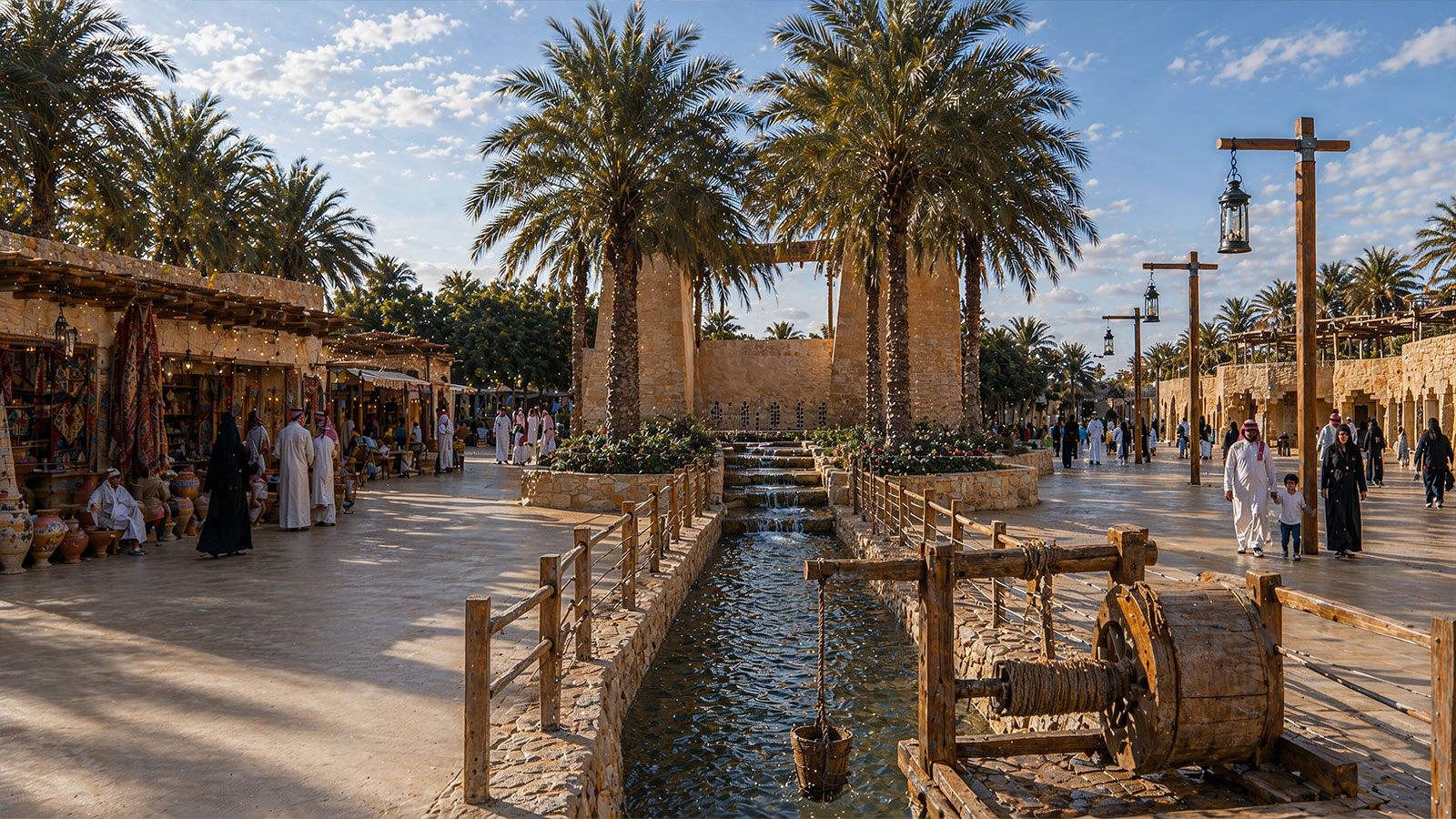
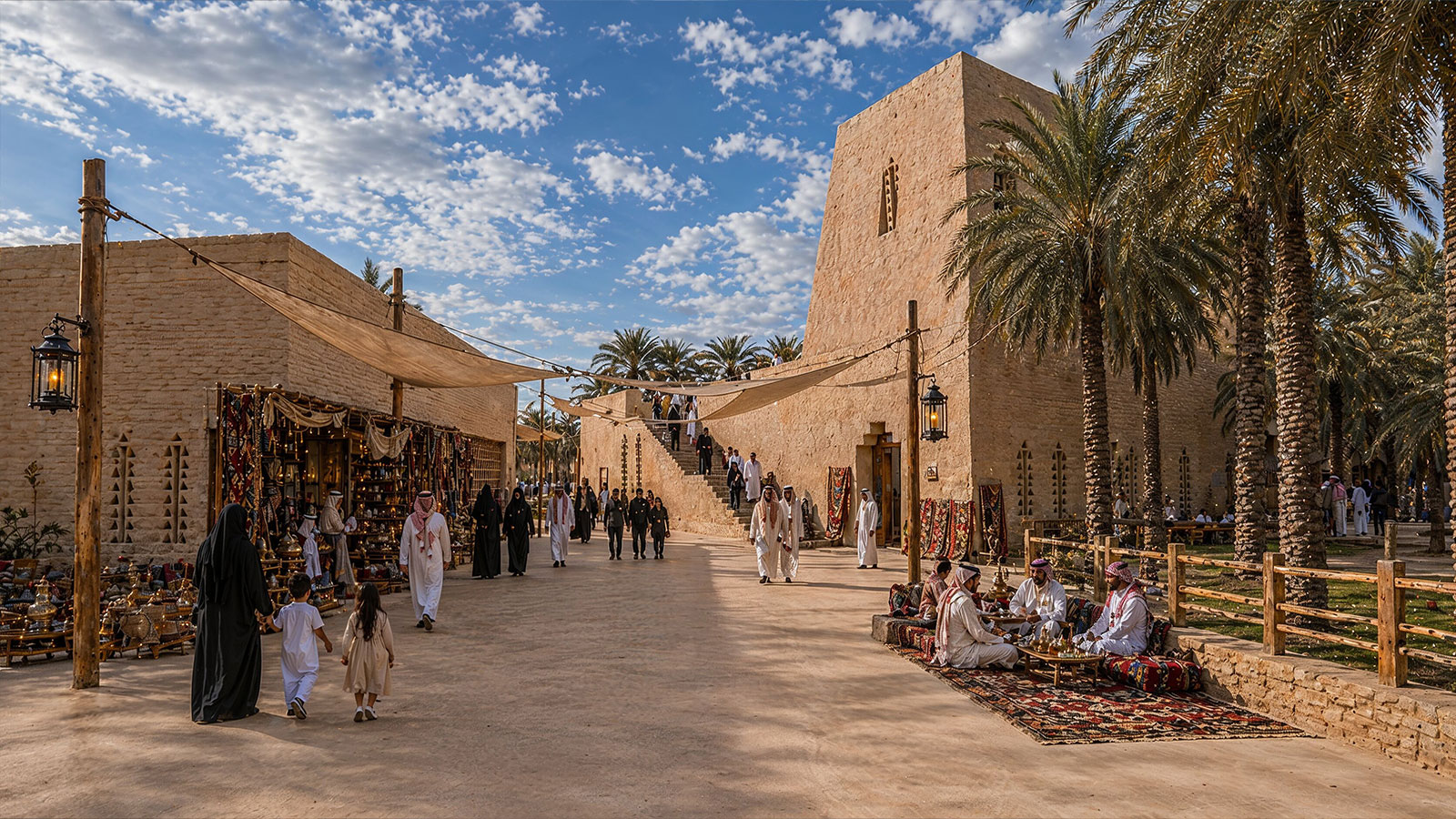
- Bazaar and kiosk areas
- Nursery and plant-related facilities
Experiential Components
- Central lake
- Waterfall
- Fountains
- Zip line
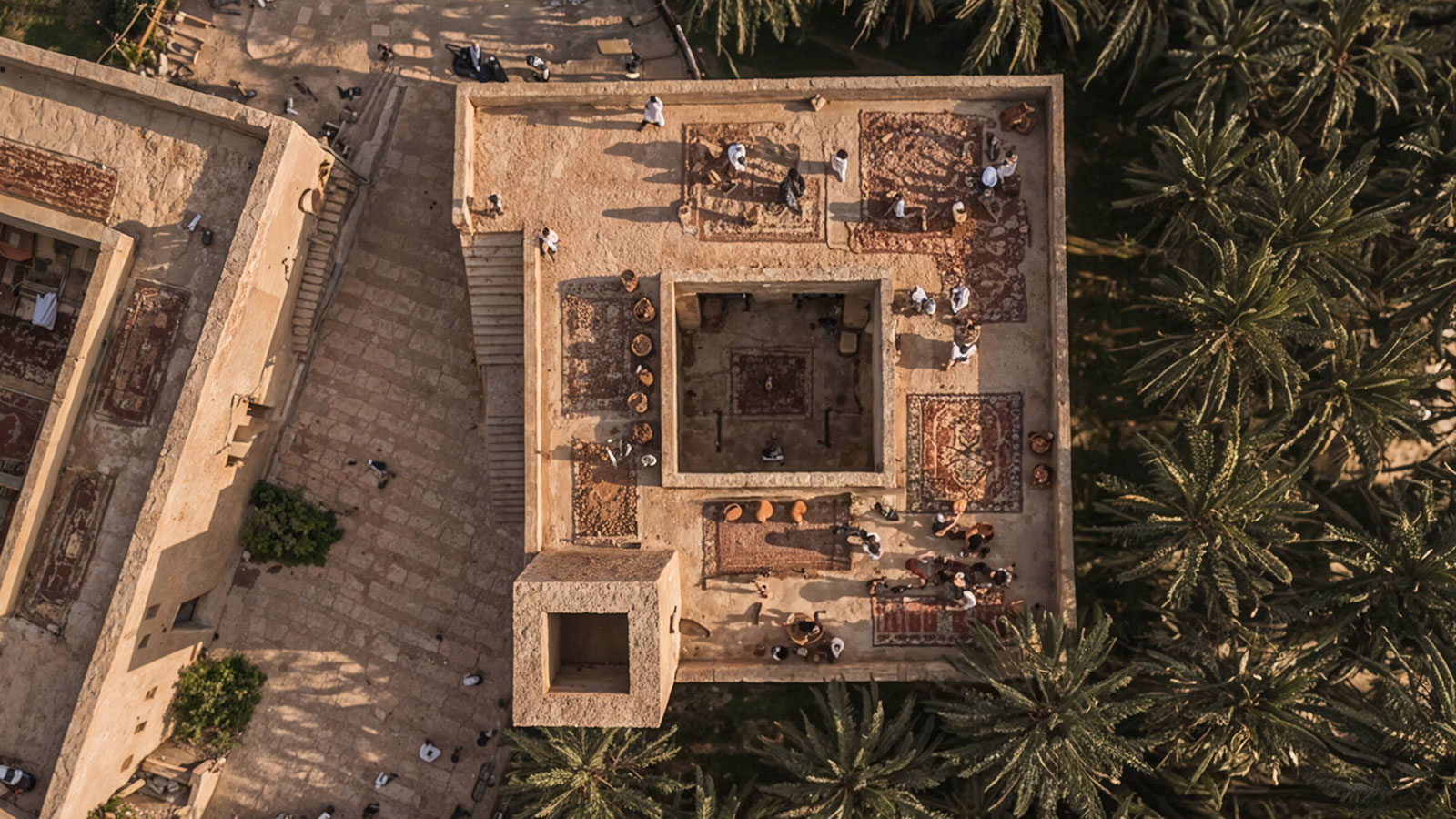
- Roof terraces
- Elevated viewpoints
- Electric cart and bicycle circulation routes
This program allows the project to function not simply as a resort, but as a layered destination combining hospitality, landscape, recreation, culture, and environmental experience.

Materiality and Architectural Language
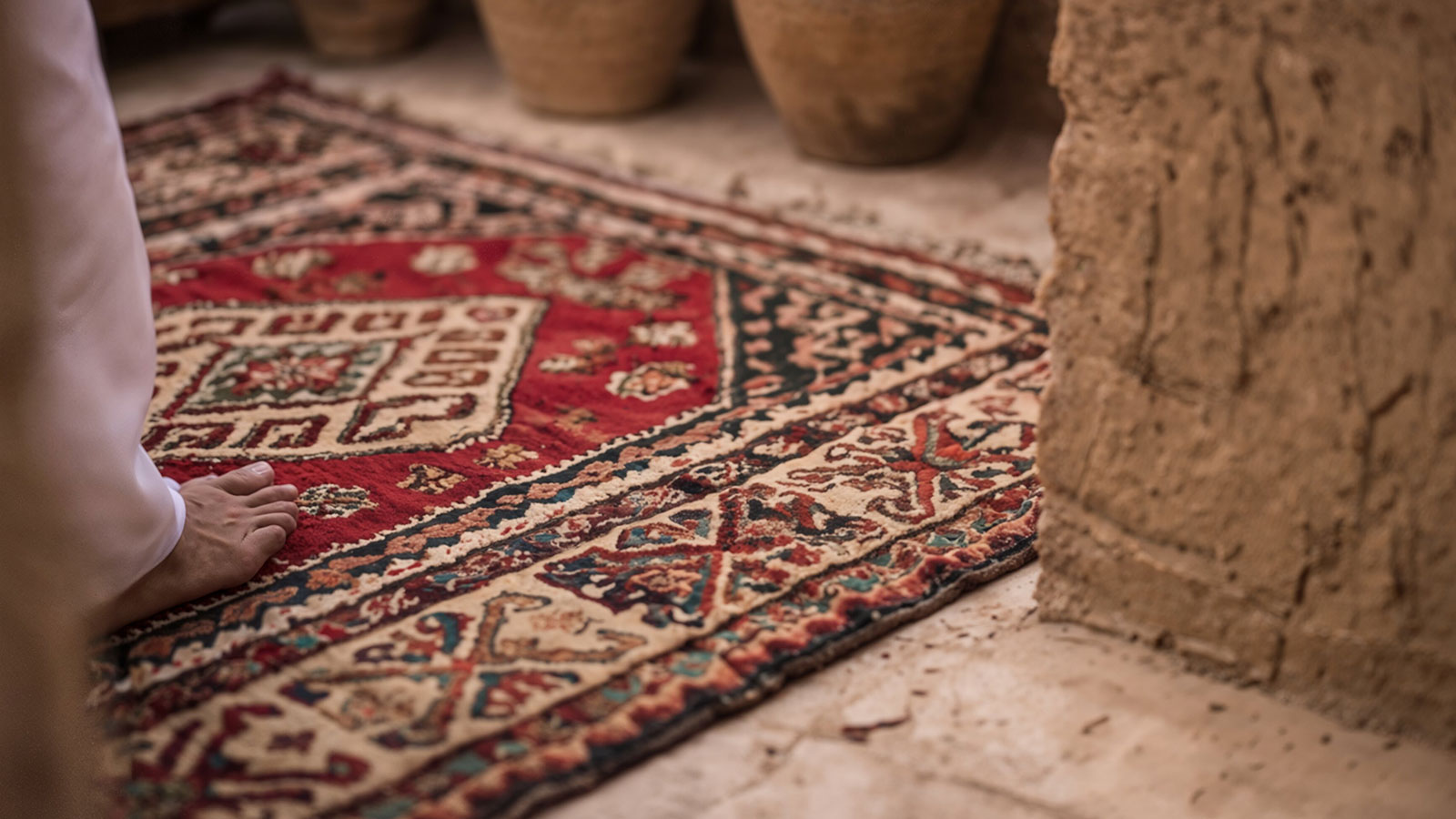
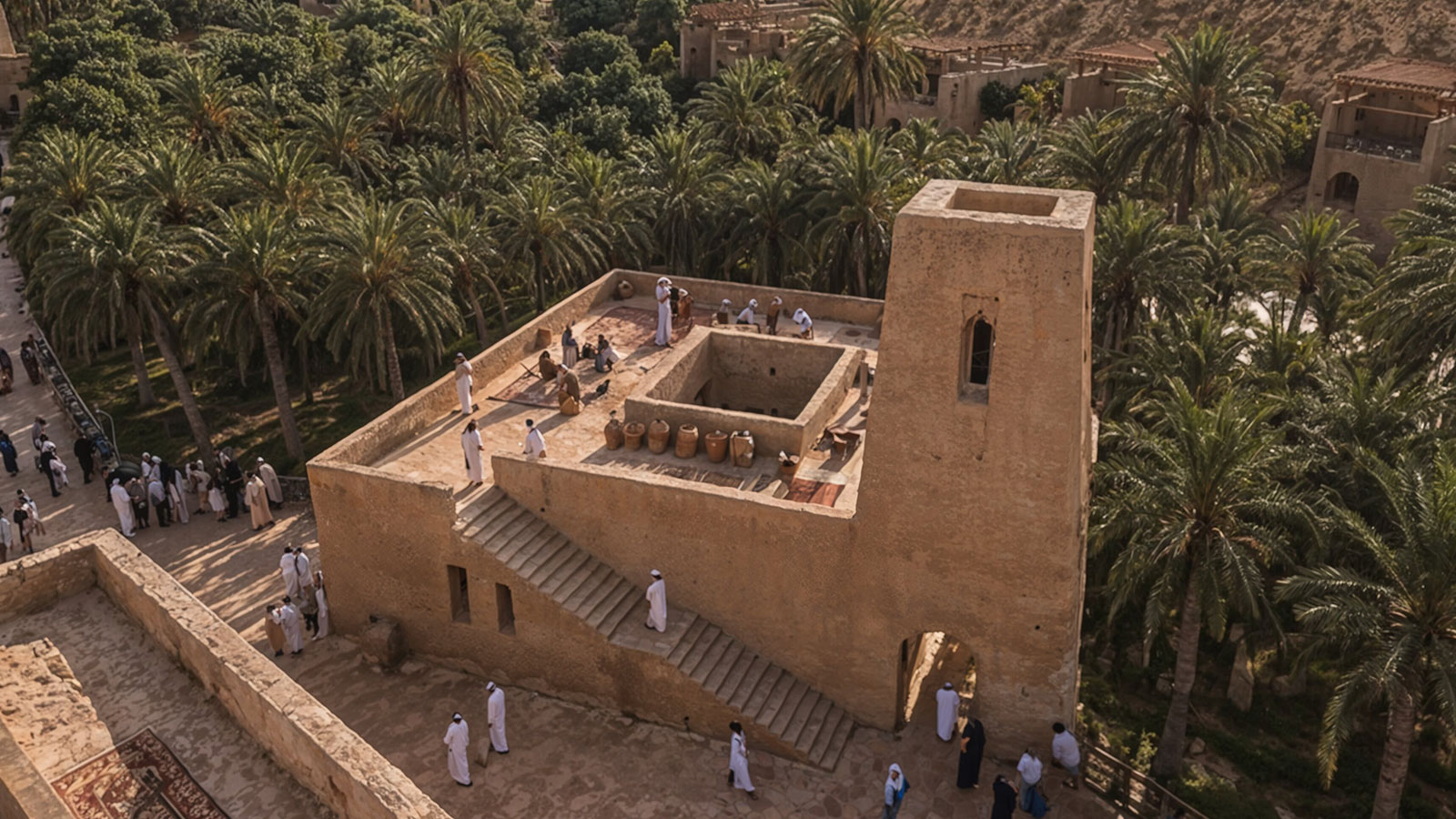
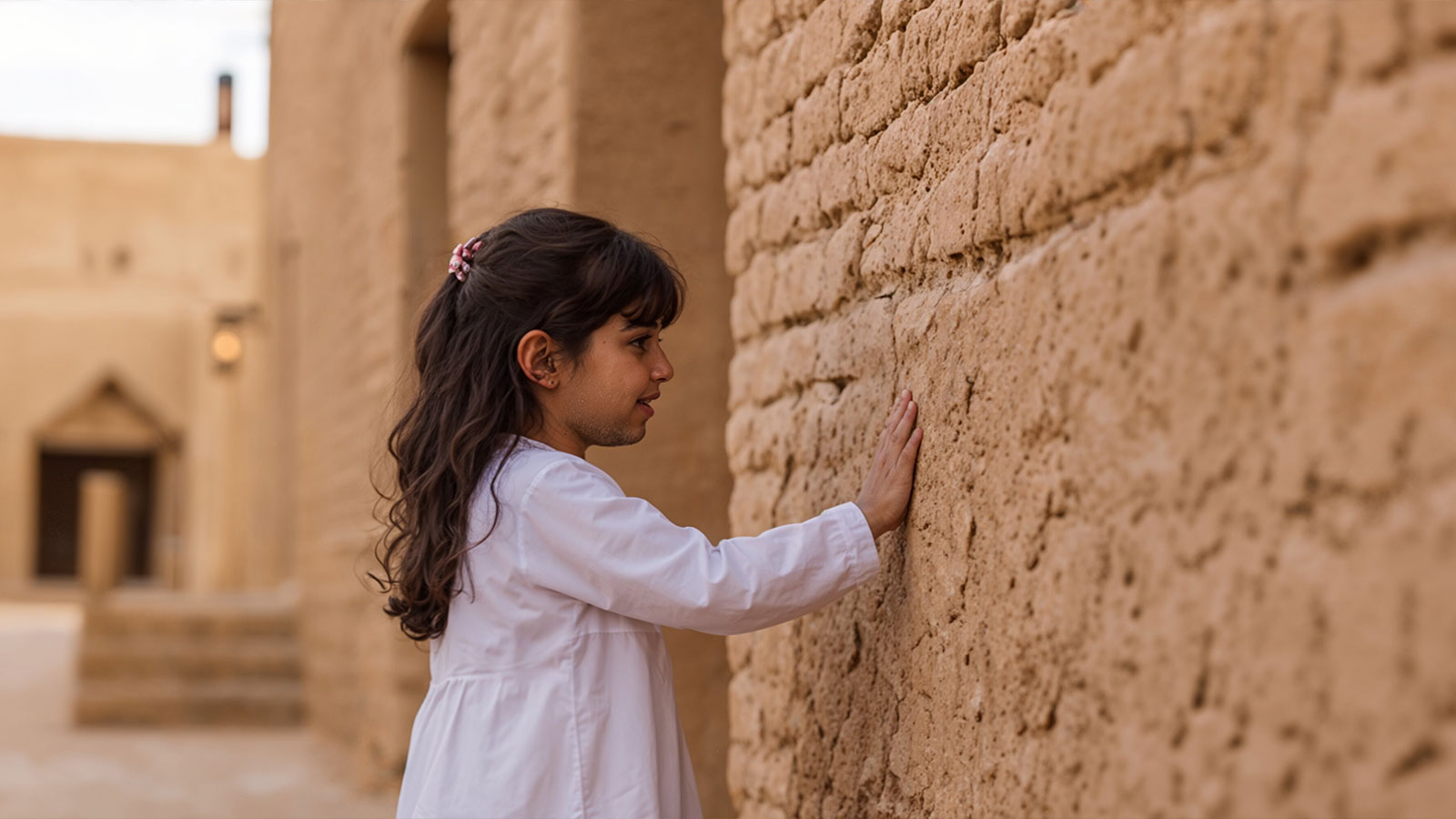
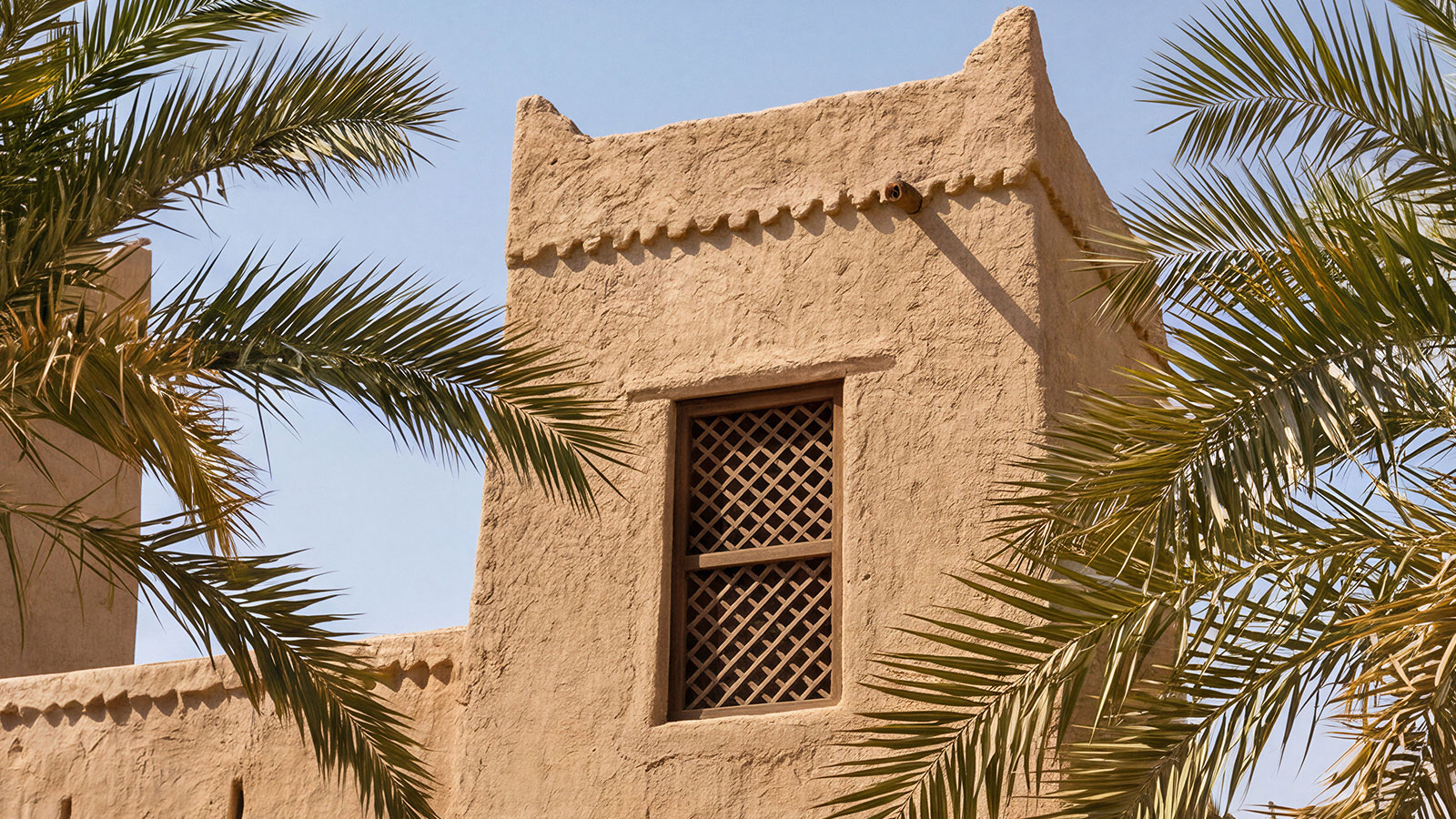
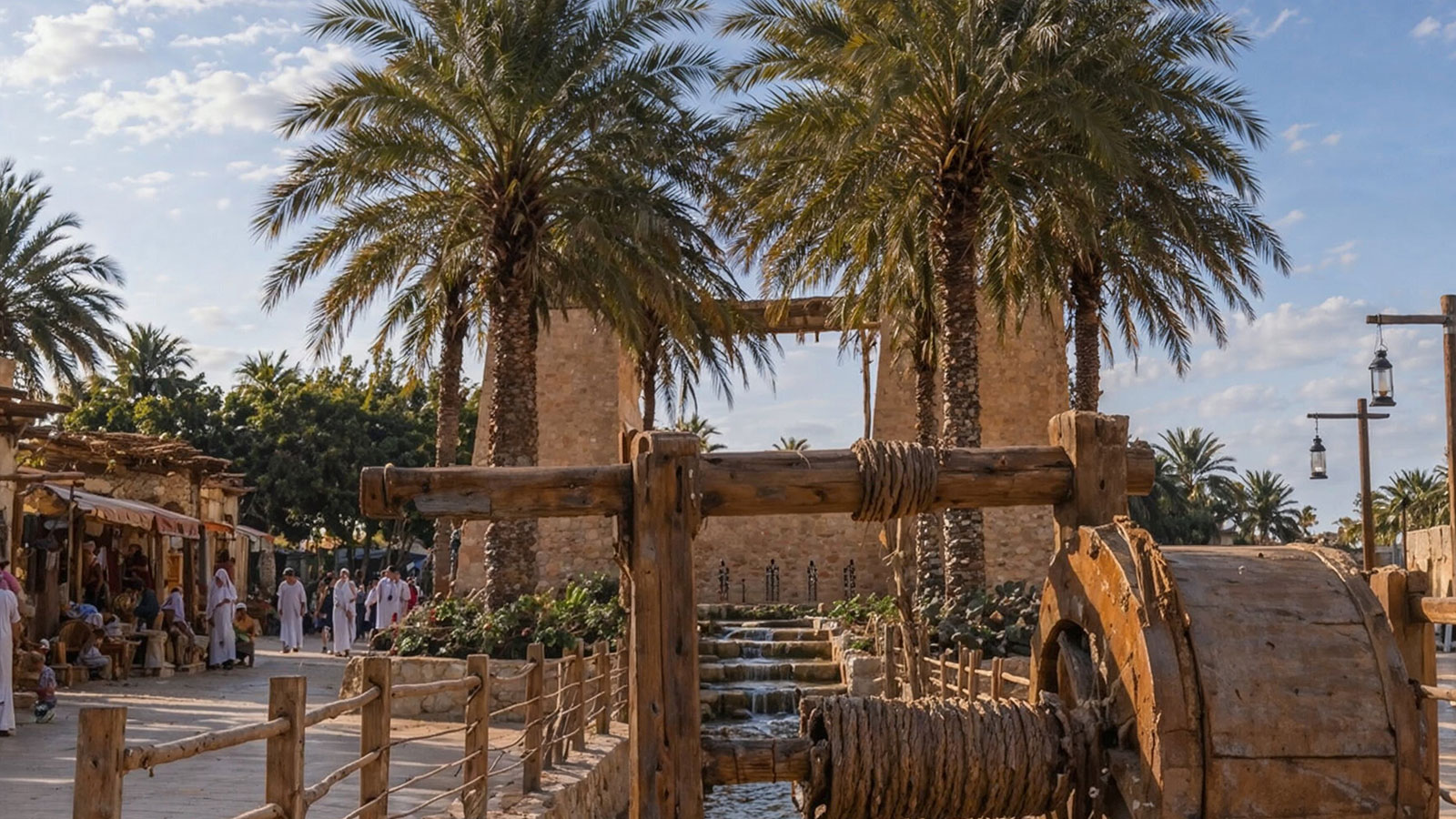
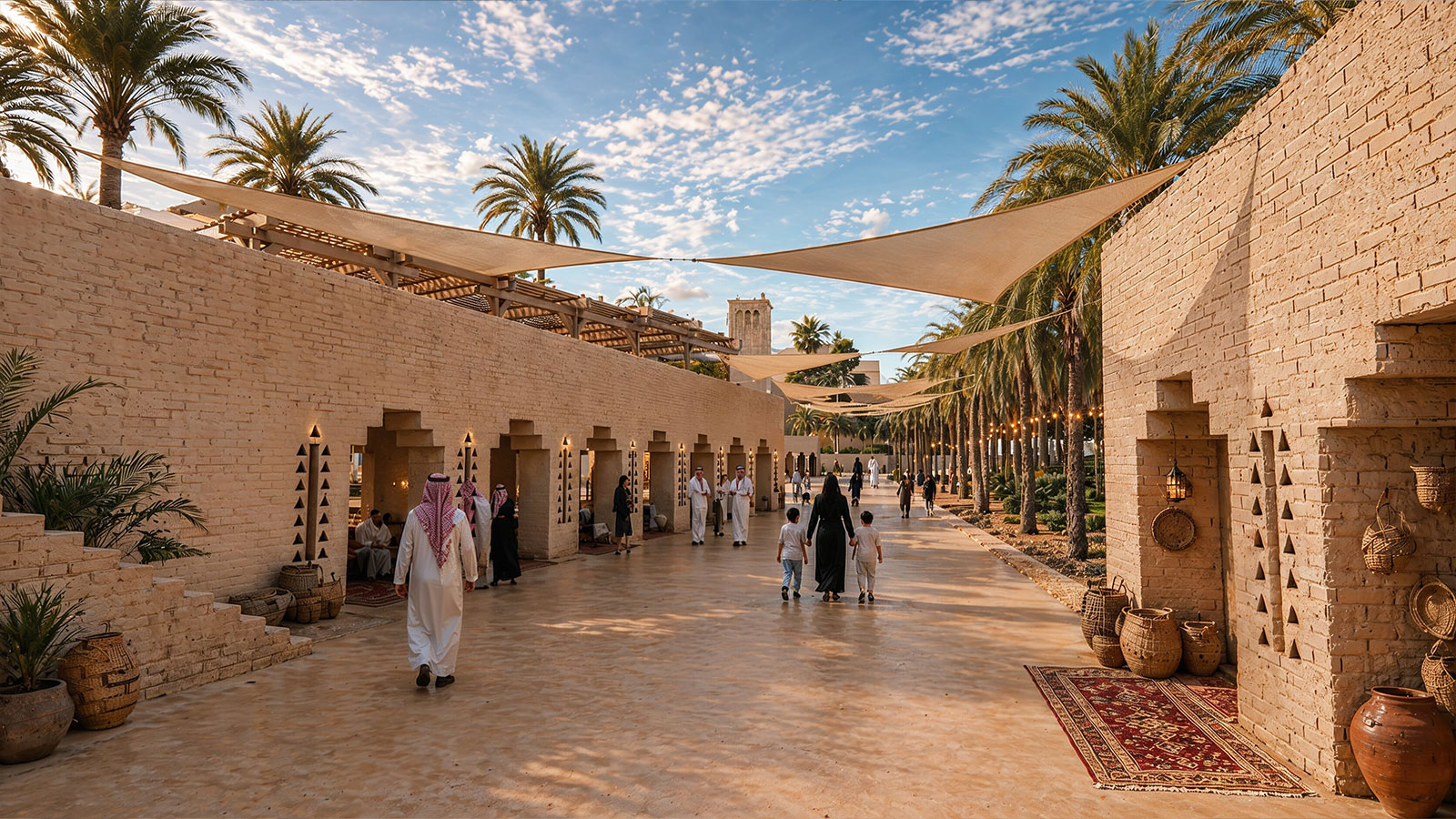
The architectural language draws from Najdi building traditions, not through direct imitation, but through the reinterpretation of their environmental logic. The project relies on mass, shade, texture, and controlled openings to respond to the climate of Riyadh.
The buildings are intended to appear grounded, solid, and connected to the earth. Their material palette includes local stone, rendered masonry, timber elements, and desert-toned finishes. Reflective and visually intrusive materials are avoided in favor of colors and surfaces that harmonize with the natural palette of the valley.
The result is an architecture that does not compete with the landscape, but settles within it.
Environmental and Engineering Considerations
The project responds to the specific environmental conditions of a valley site. The design takes into account flood paths, slope stability, natural drainage, solar exposure, and the preservation of existing landforms.
Key engineering and environmental considerations include:
- Respecting the natural valley floor and avoiding excessive land modification
- Maintaining safe setbacks from flood channels
- Avoiding construction on steep slopes and sensitive ridgelines
- Preserving natural drainage patterns
- Using vegetation as a shading and cooling device
- Applying low-water landscaping principles
- Encouraging pedestrian, bicycle, and electric-cart movement
- Reducing visual and thermal impact through local materials and earth-toned finishes
These strategies allow the project to operate as a landscape-based development rather than a conventional commercial resort.
Architectural Narrative
The Wharf Project is not defined by its buildings alone. It is defined by the relationship it creates between people, land, water, and movement.
The valley is treated as a guide. Architecture follows it, frames it, and reveals it. The visitor’s journey becomes a transition from the urban edge to the inner life of the landscape: from arrival to shade, from shade to water, from water to gathering, and finally from the valley floor to elevated views.
The project’s strongest architectural idea lies in this sequence. It transforms the site into a story of movement, memory, and environmental awareness. Each component contributes to the larger experience: the nursery introduces cultivation, the orchards create sensory depth, the lake establishes the center, the chalets offer retreat, and the hotel provides a final panoramic reading of the valley.
Conclusion
The Wharf Project proposes a form of development rooted in respect rather than dominance. It does not attempt to overwrite the valley, but to reveal its latent potential.
By responding to topography, water, climate, and local architectural memory, the project offers a contemporary interpretation of desert hospitality. It is a place where architecture becomes quieter, landscape becomes the main protagonist, and the visitor experiences the valley not as a backdrop, but as the essence of the project.
In Namar Valley, architecture does not impose a new identity on the land.
It listens to the land, follows its contours, and transforms its memory into space.