


Location: Awjila – Libya
Year: 2014
Client: The Authority for the Development and Management of Oil Regions
Designer: Muftah Design
Site Area: 2,220,000 m2
Built-up area: 2,010,000 m2
Use: Master Plan
Phase: Design
Role: Project Architect
Awjila Residential Development: A Sustainable Urban Oasis
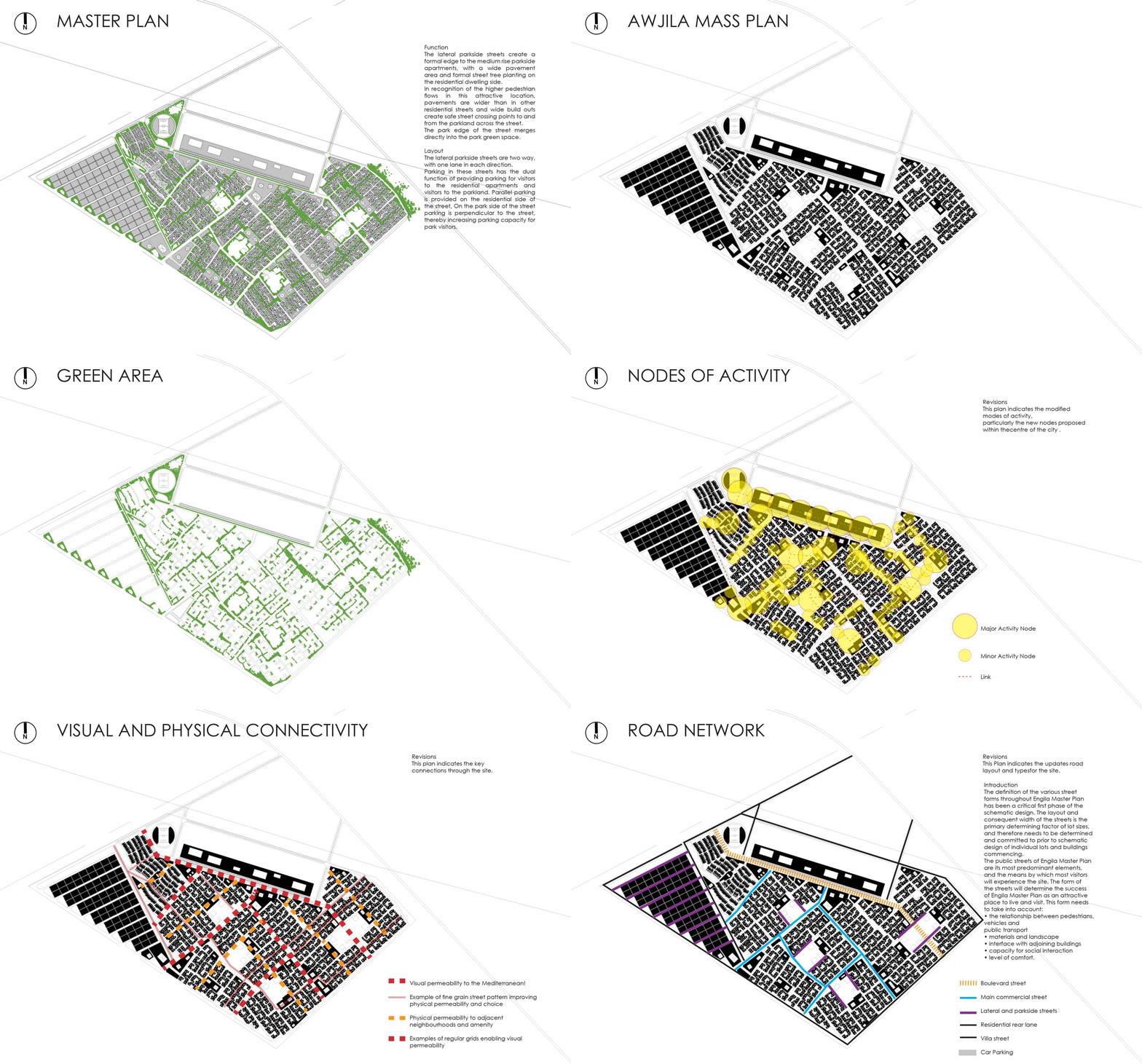
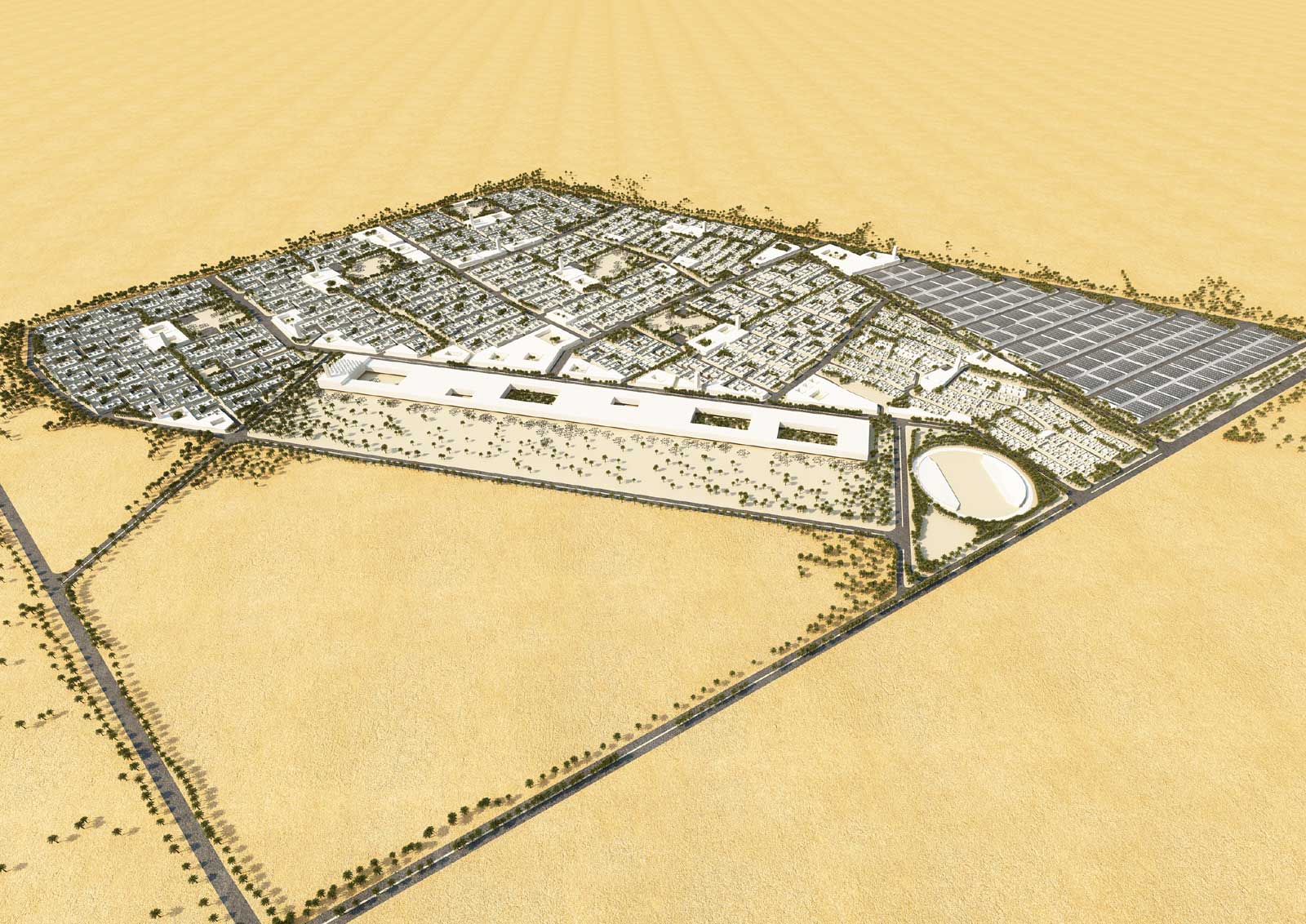
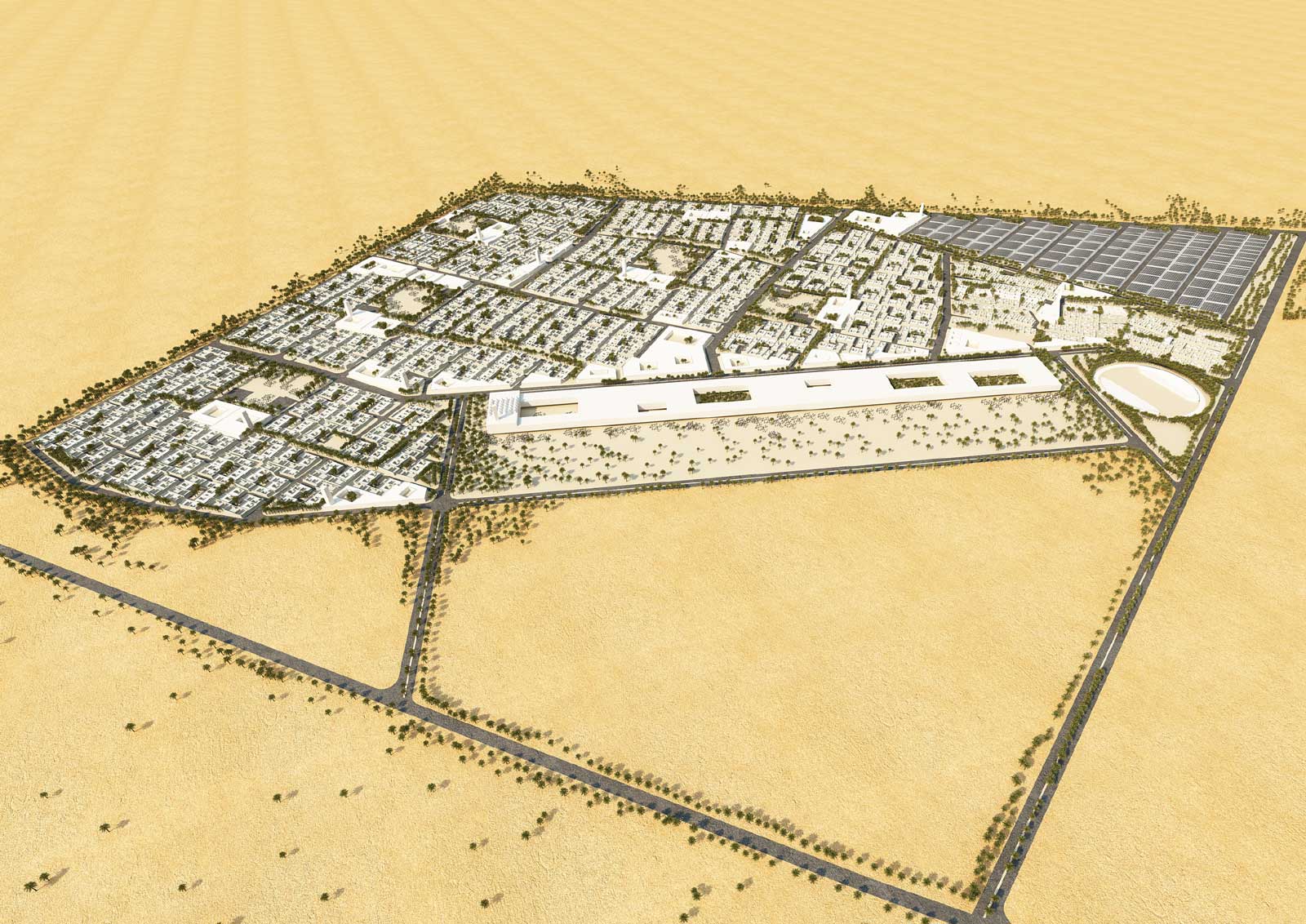
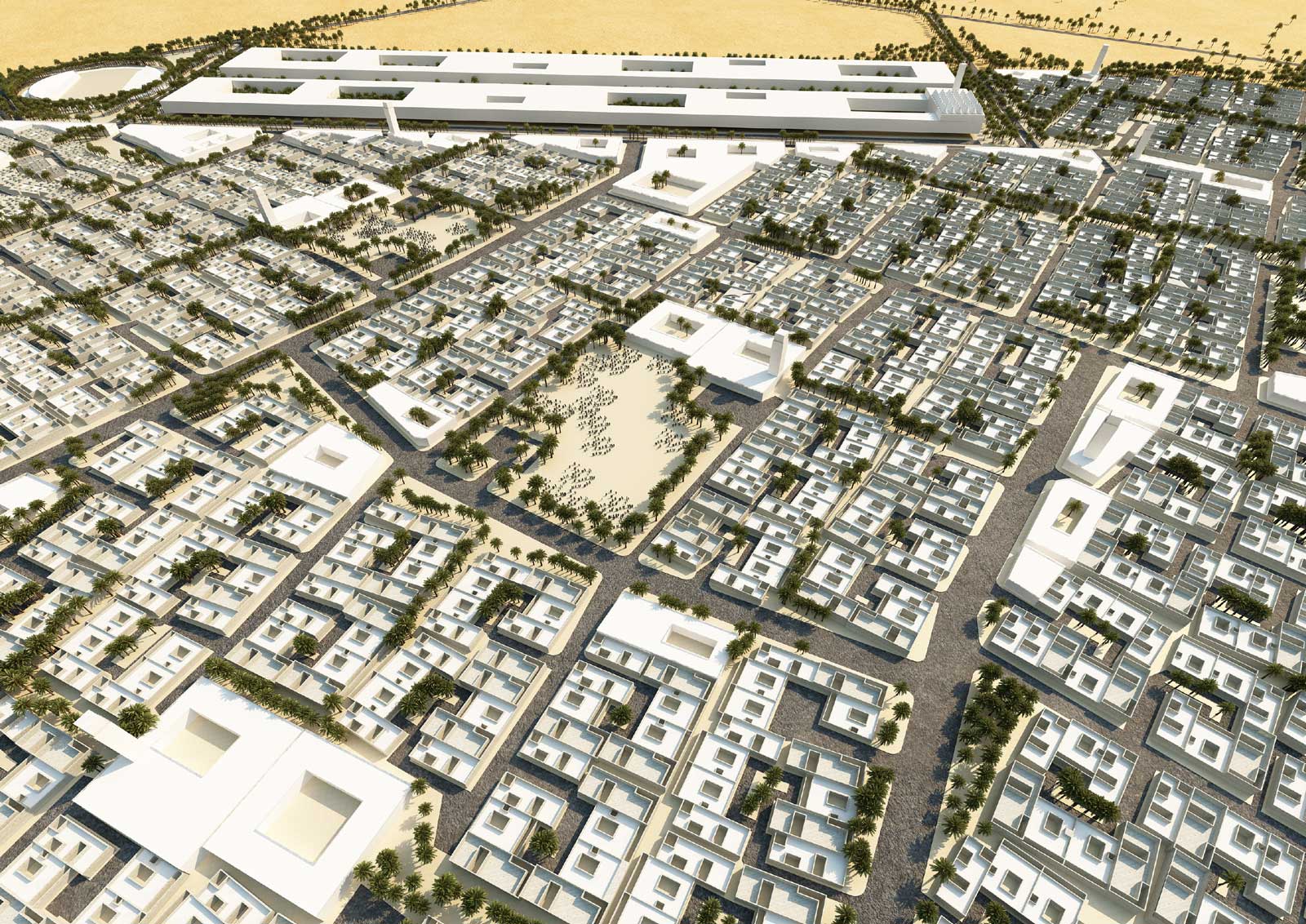
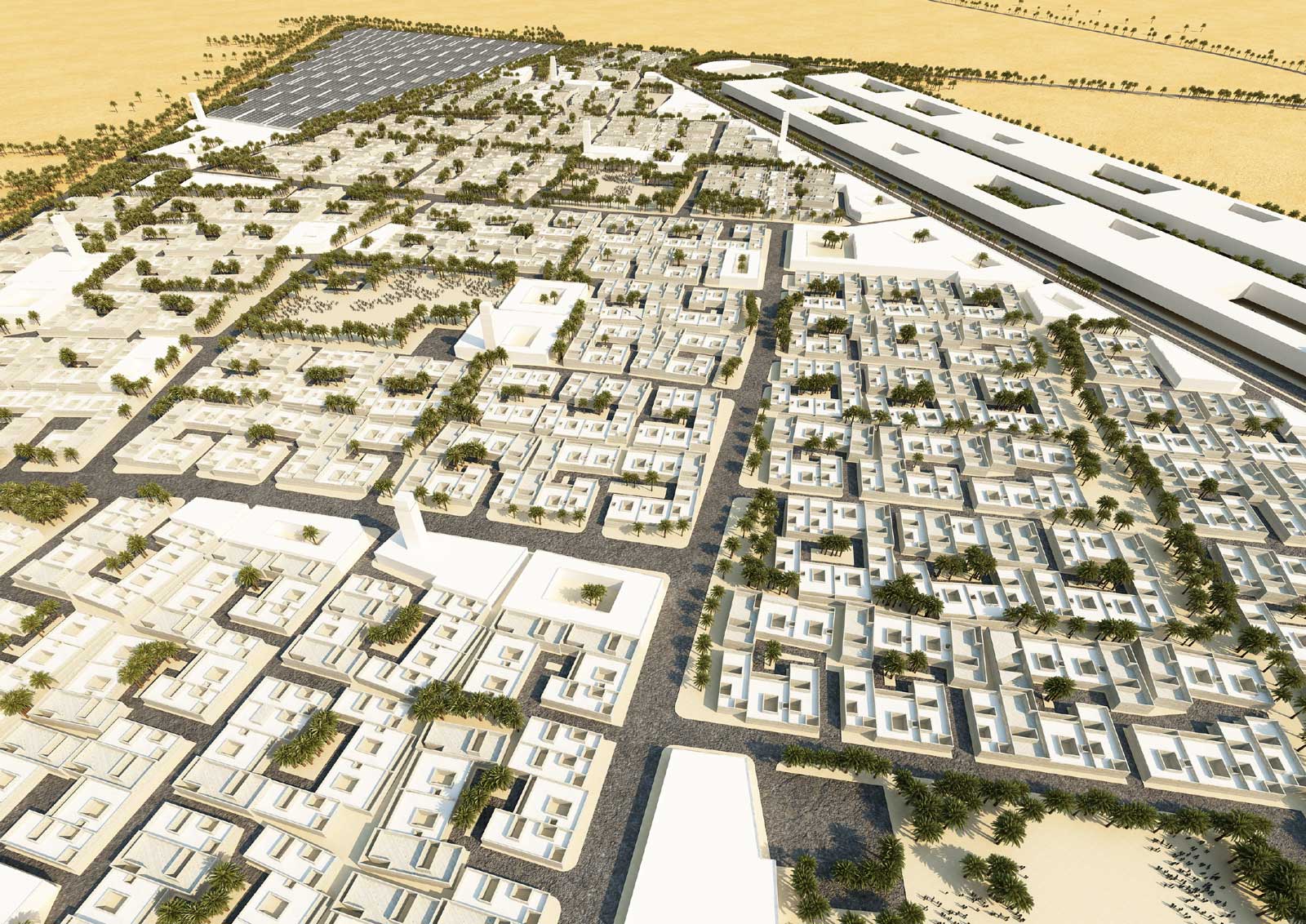
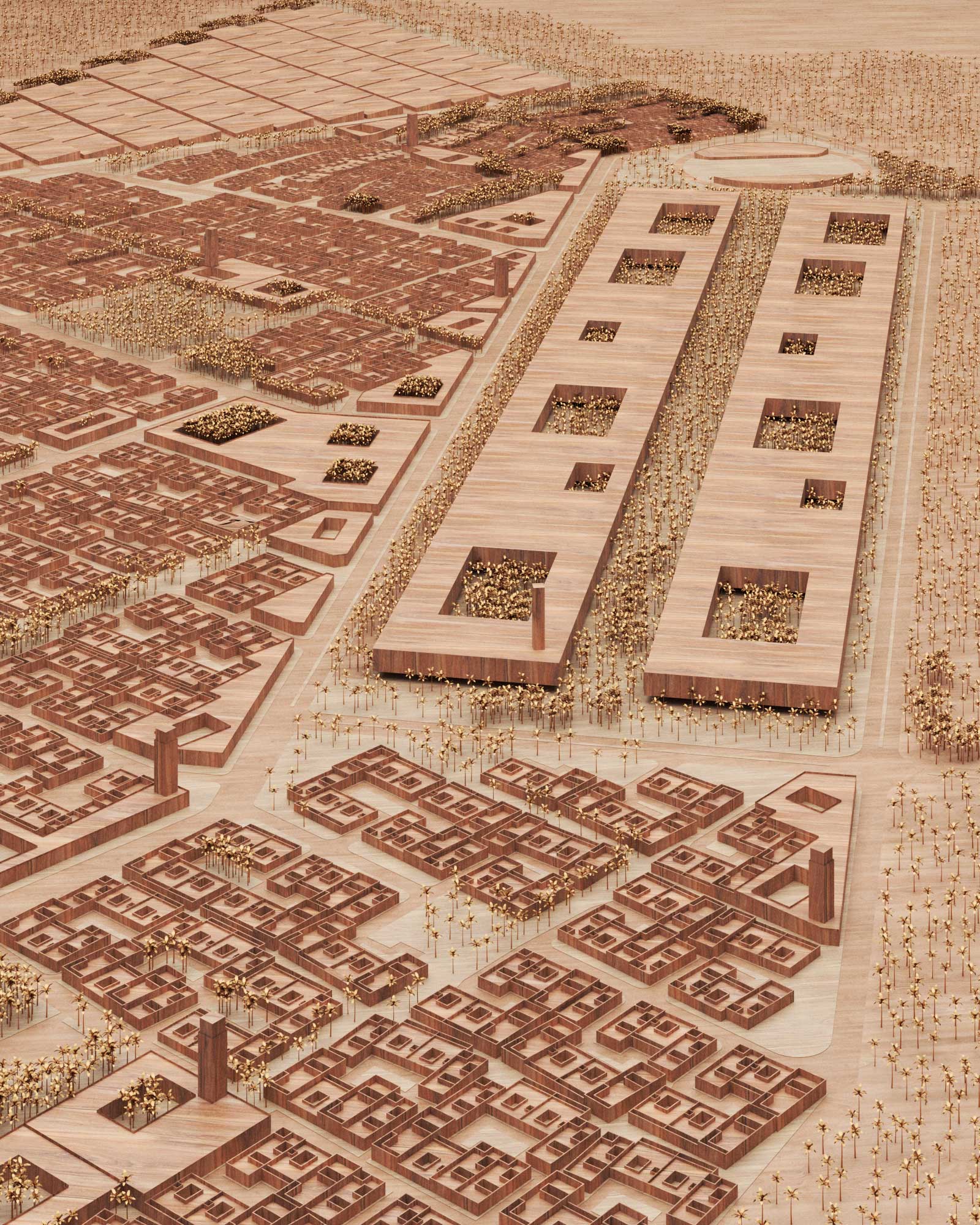
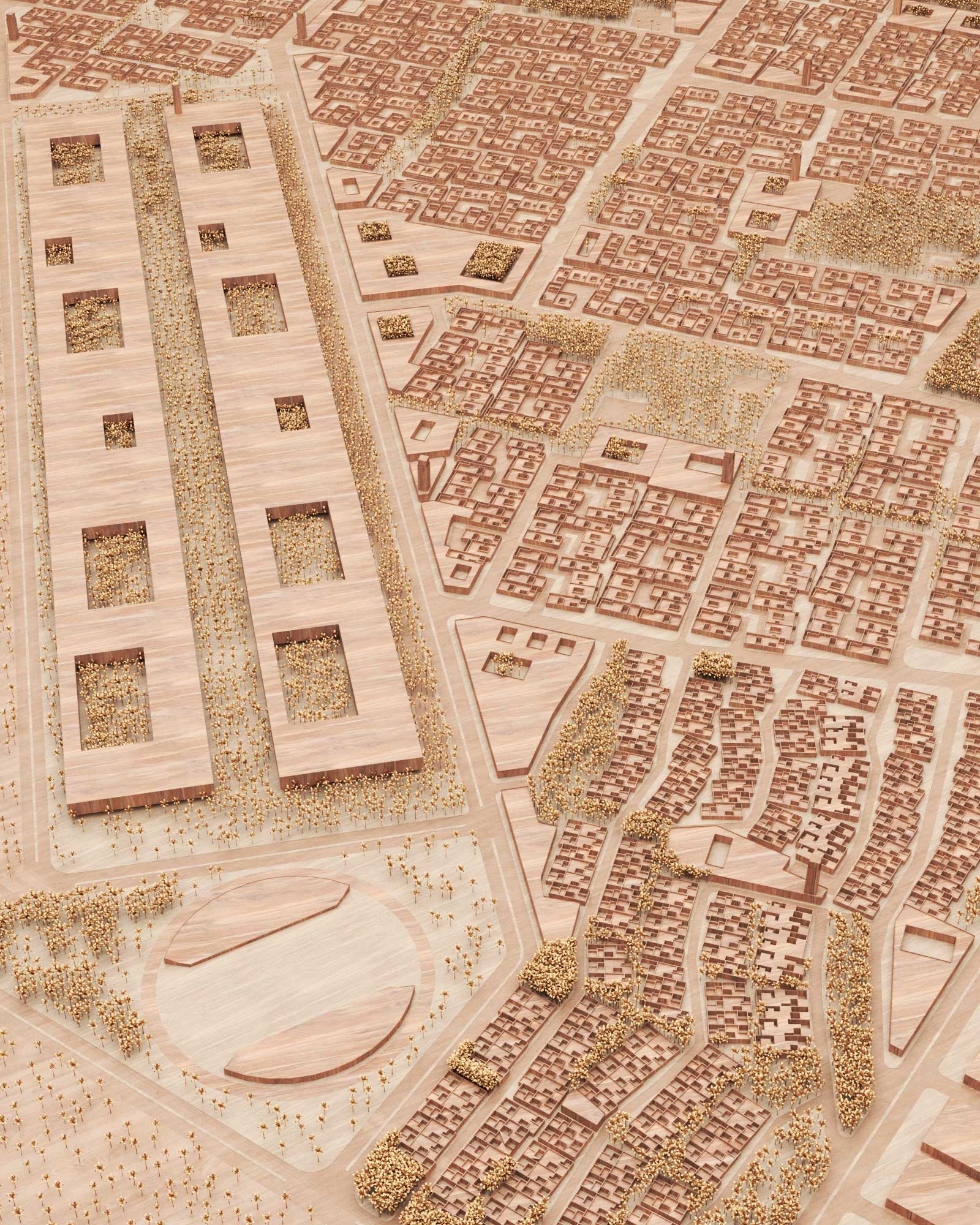
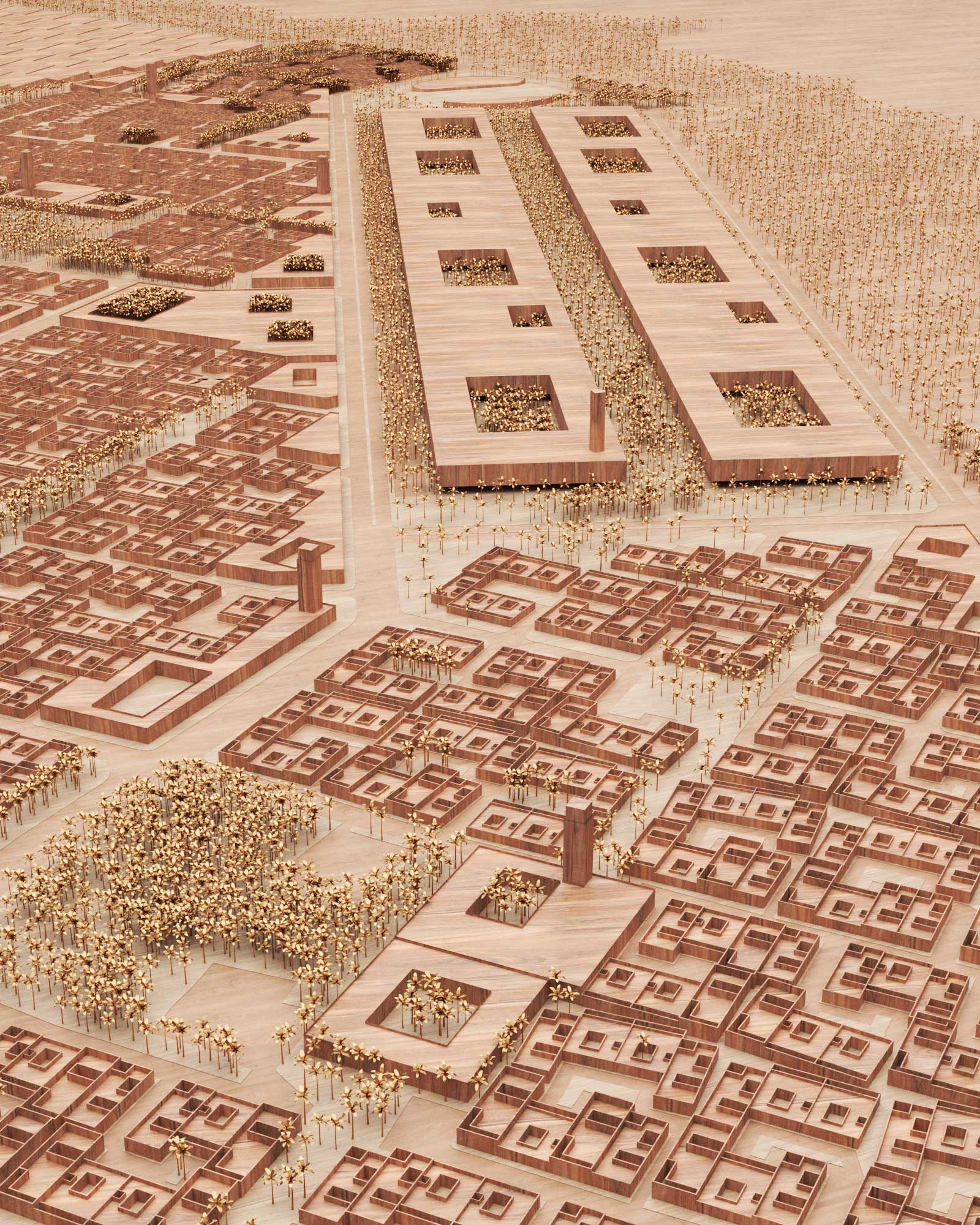
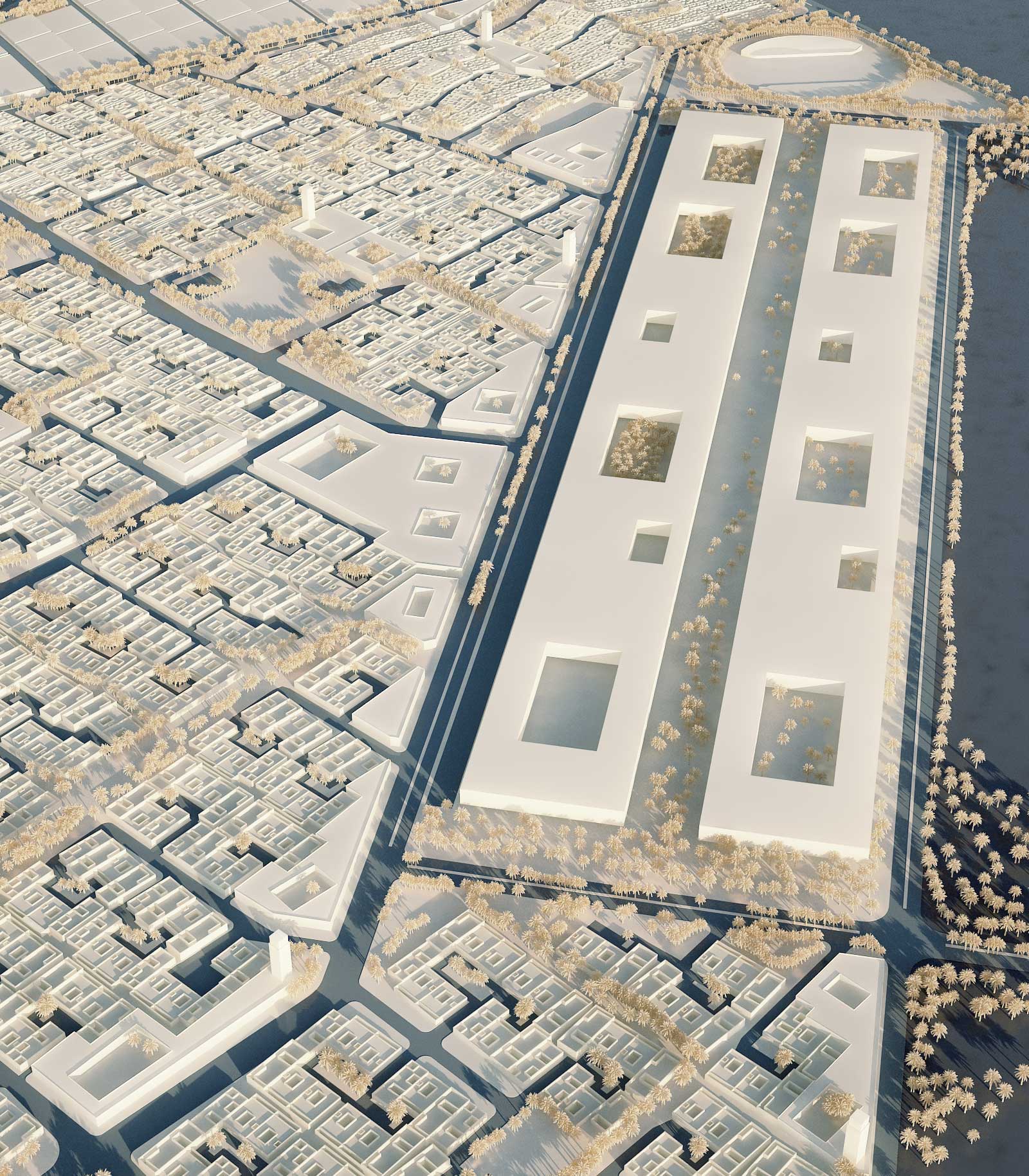
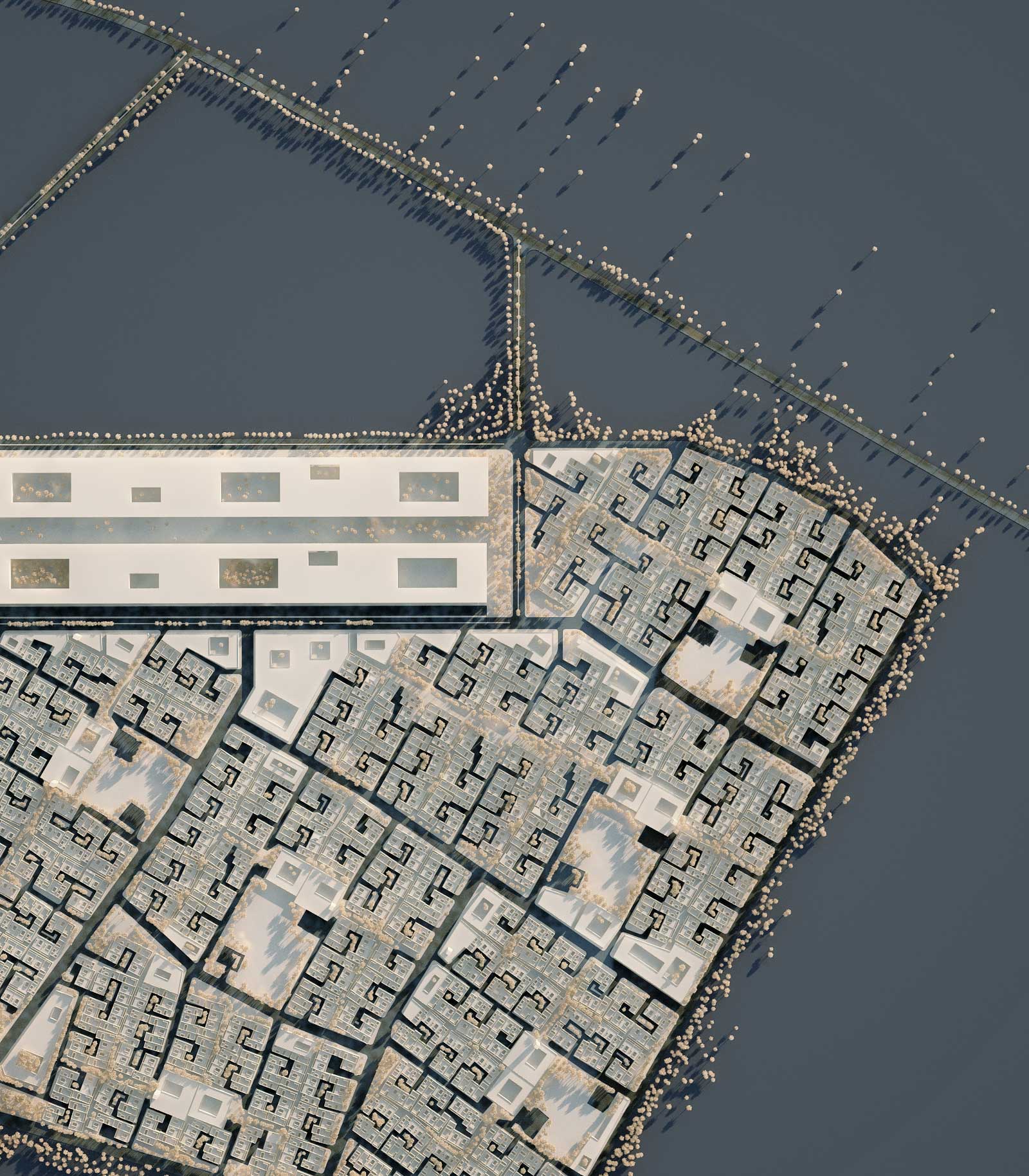
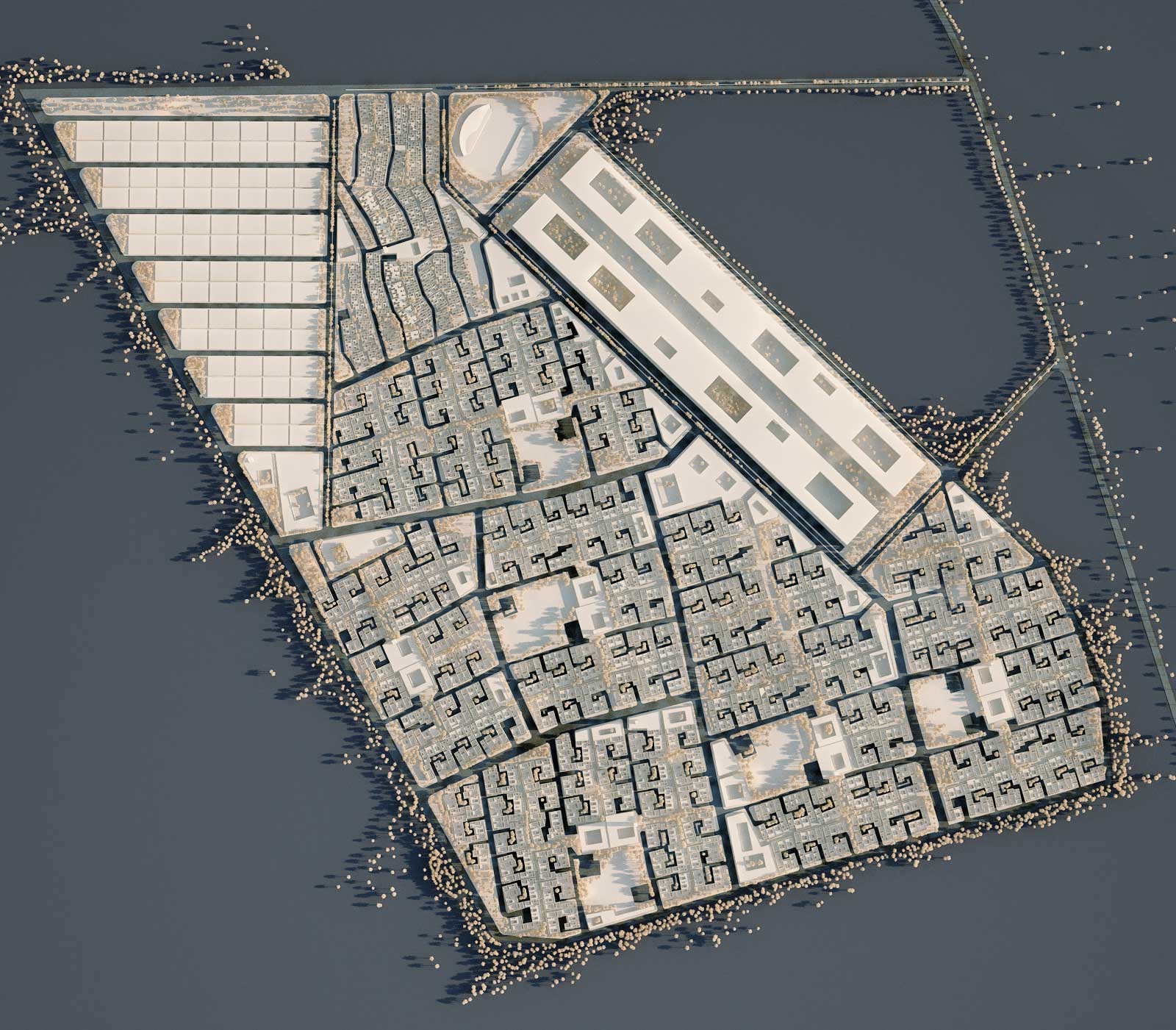
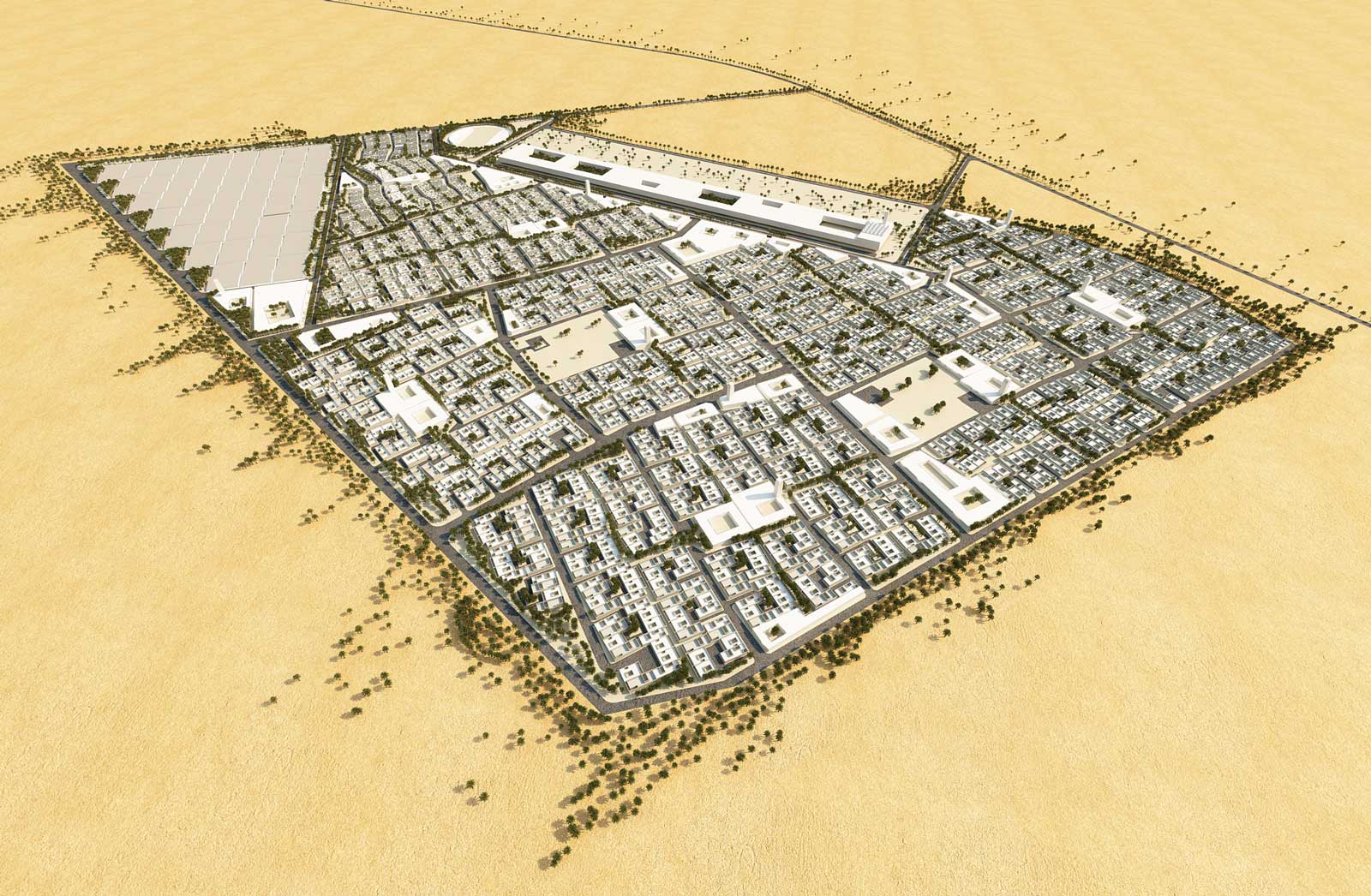
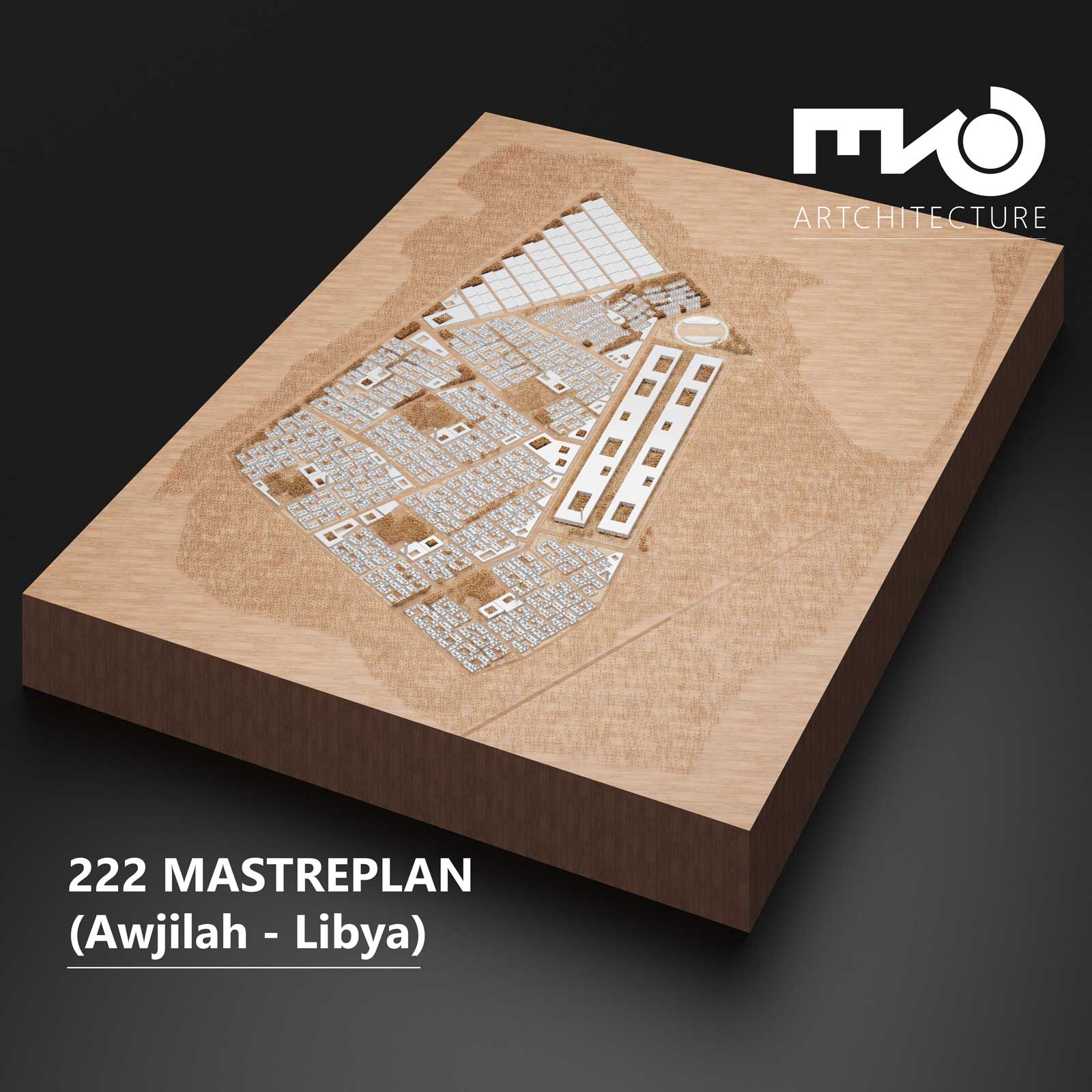
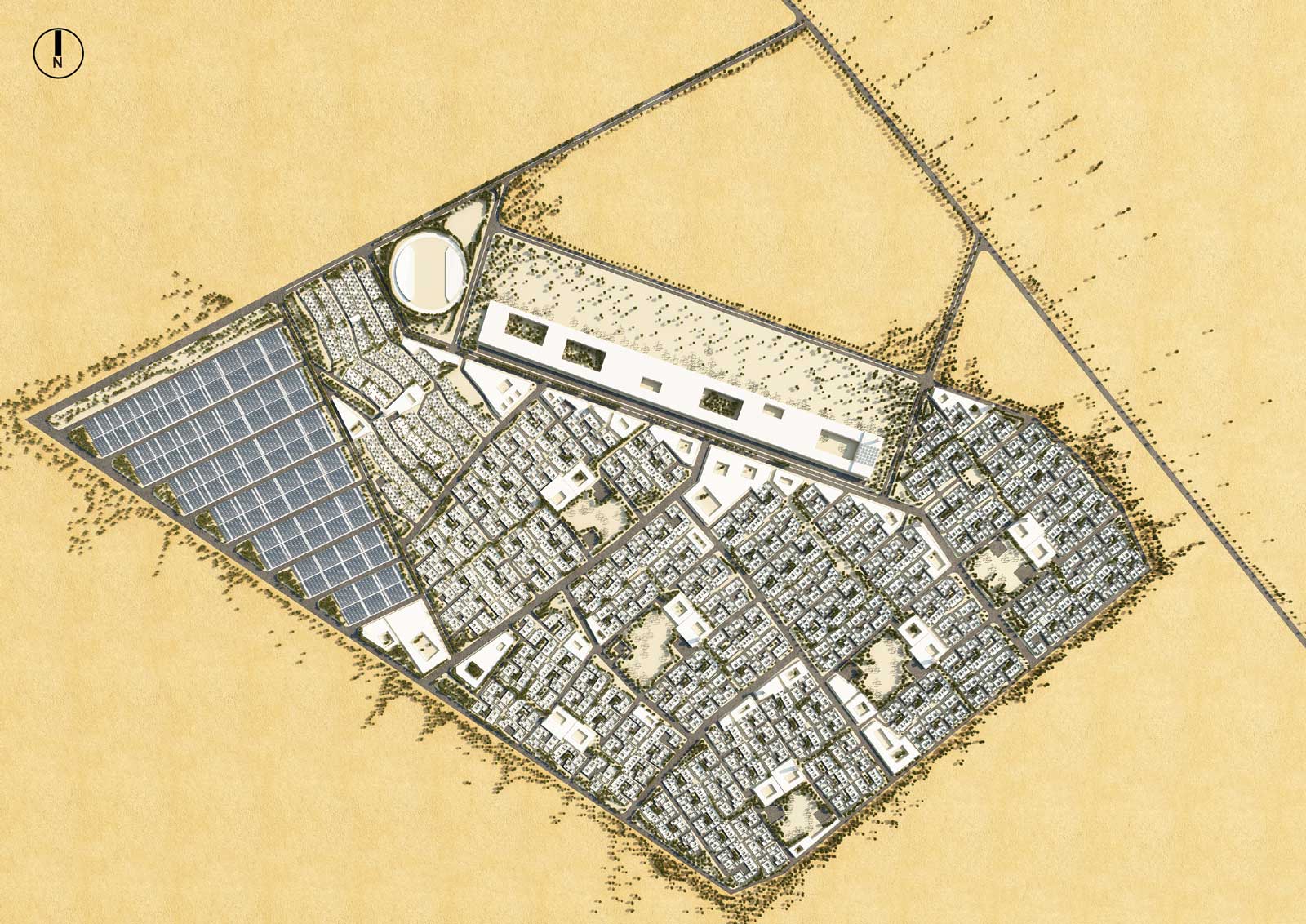
Project Overview: The Awjila Residential Development is a master-planned urban community located in the historical oasis town of Awjila, in northeastern Libya. Covering a total area of 222 hectares, this project aims to create a sustainable and self-sufficient urban environment, reflecting the region's rich cultural heritage while incorporating modern urban planning principles.
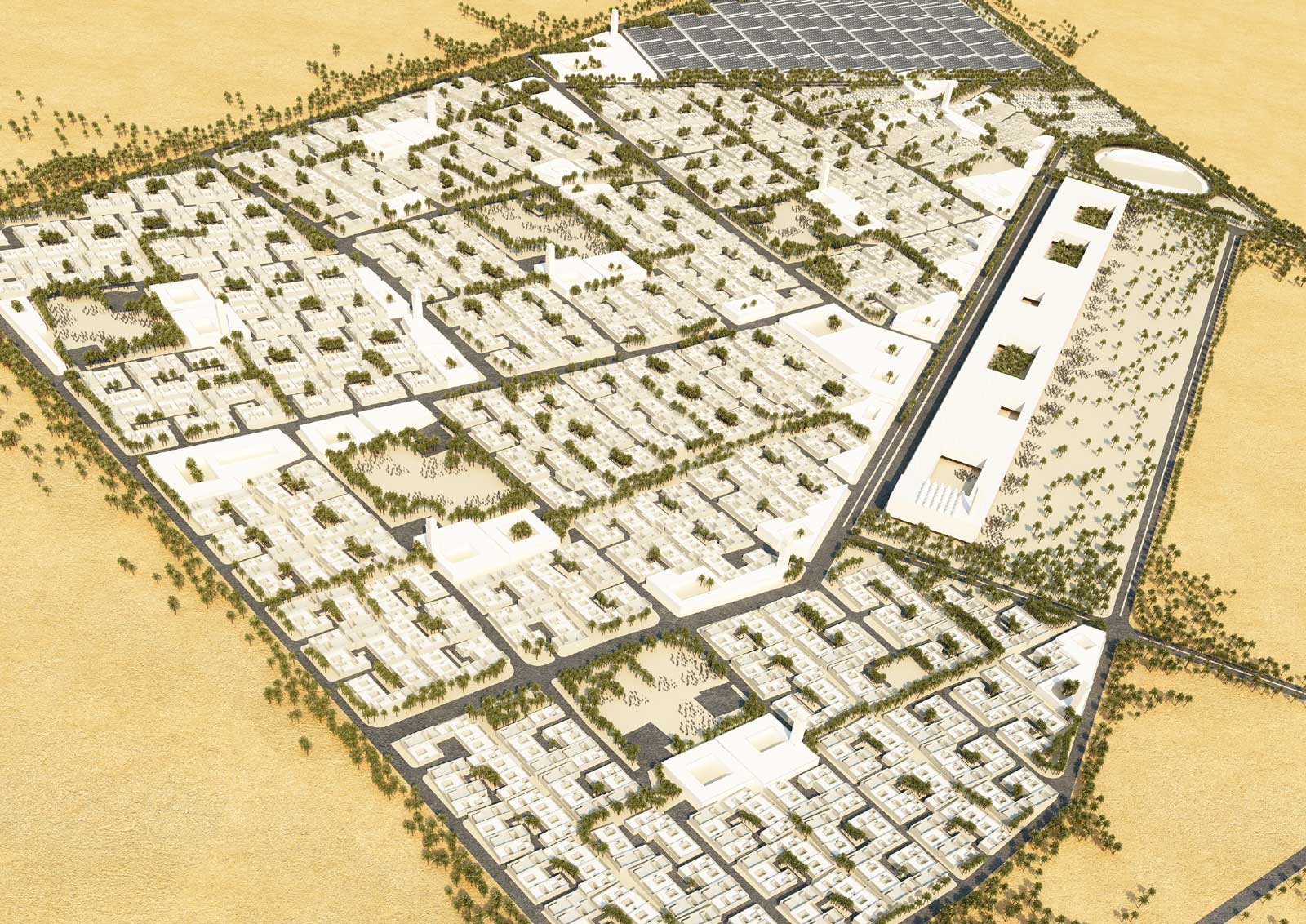
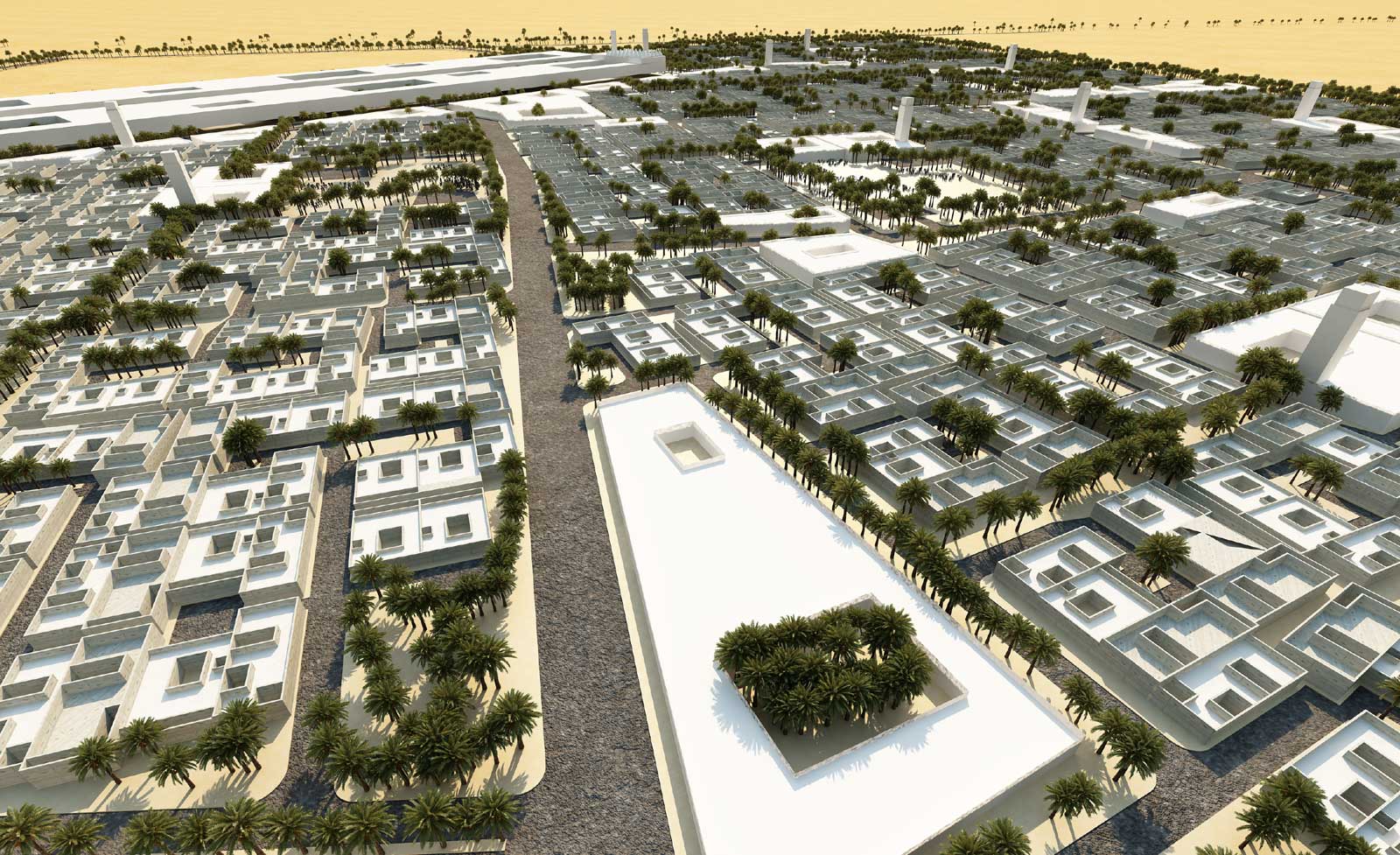
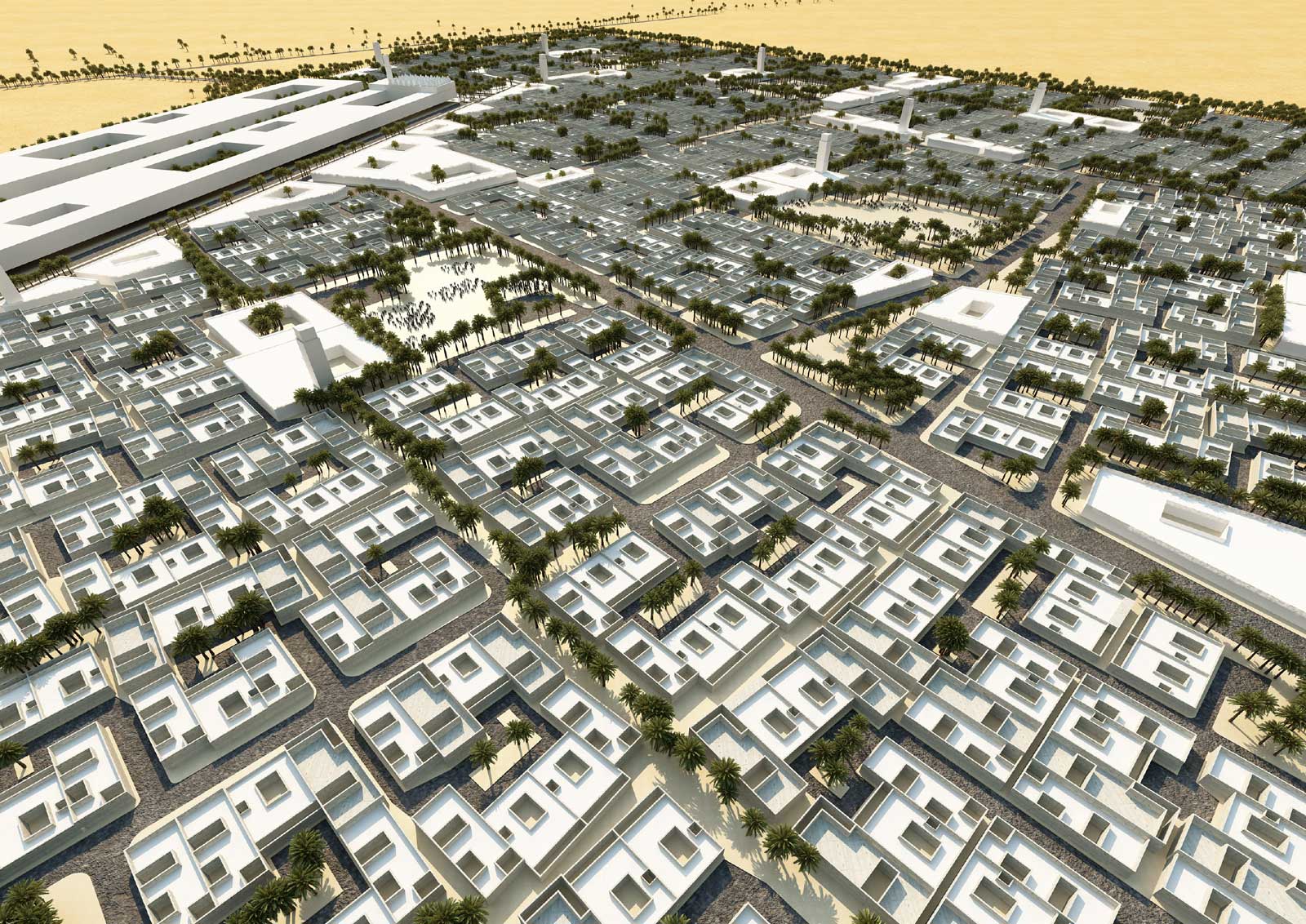
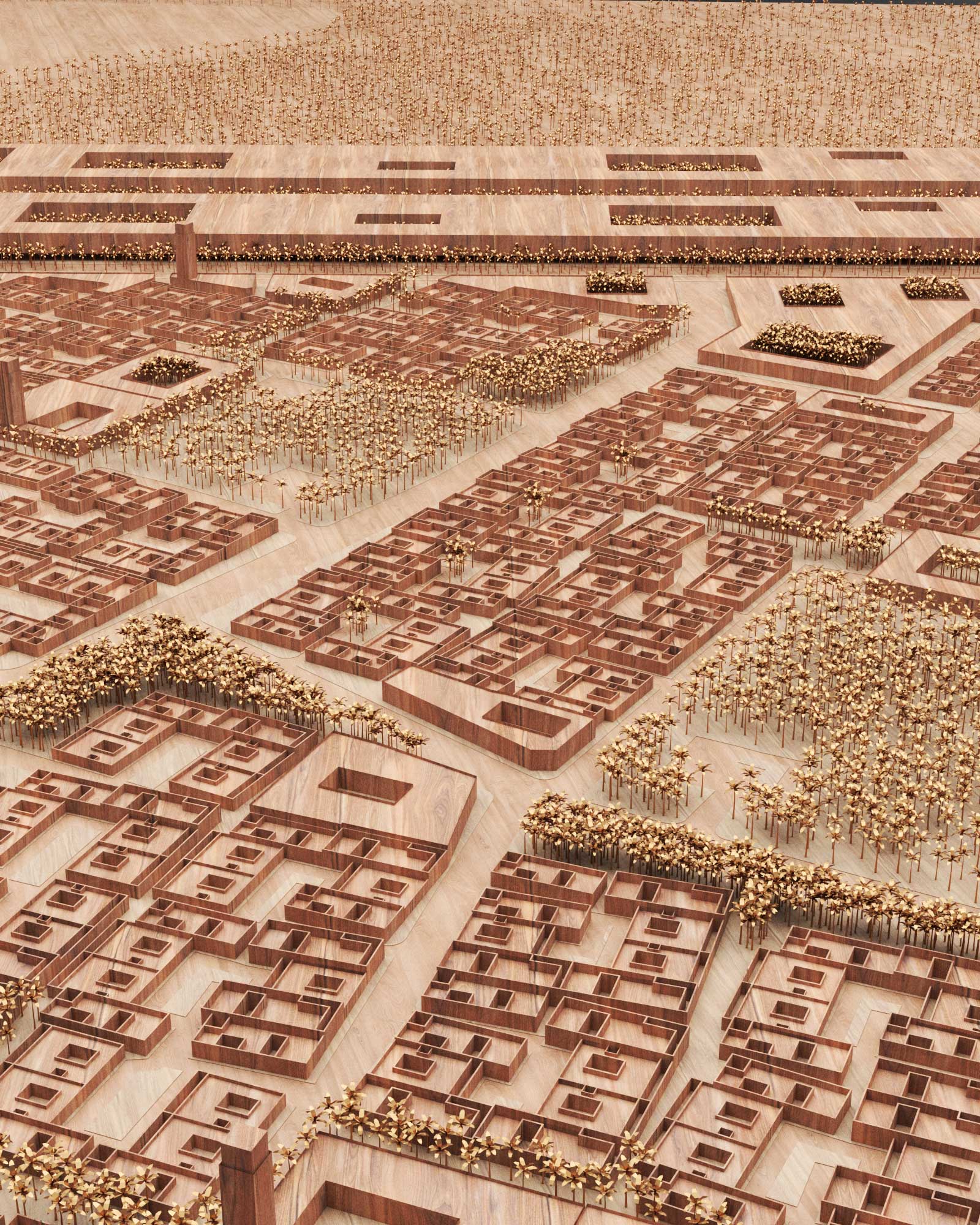
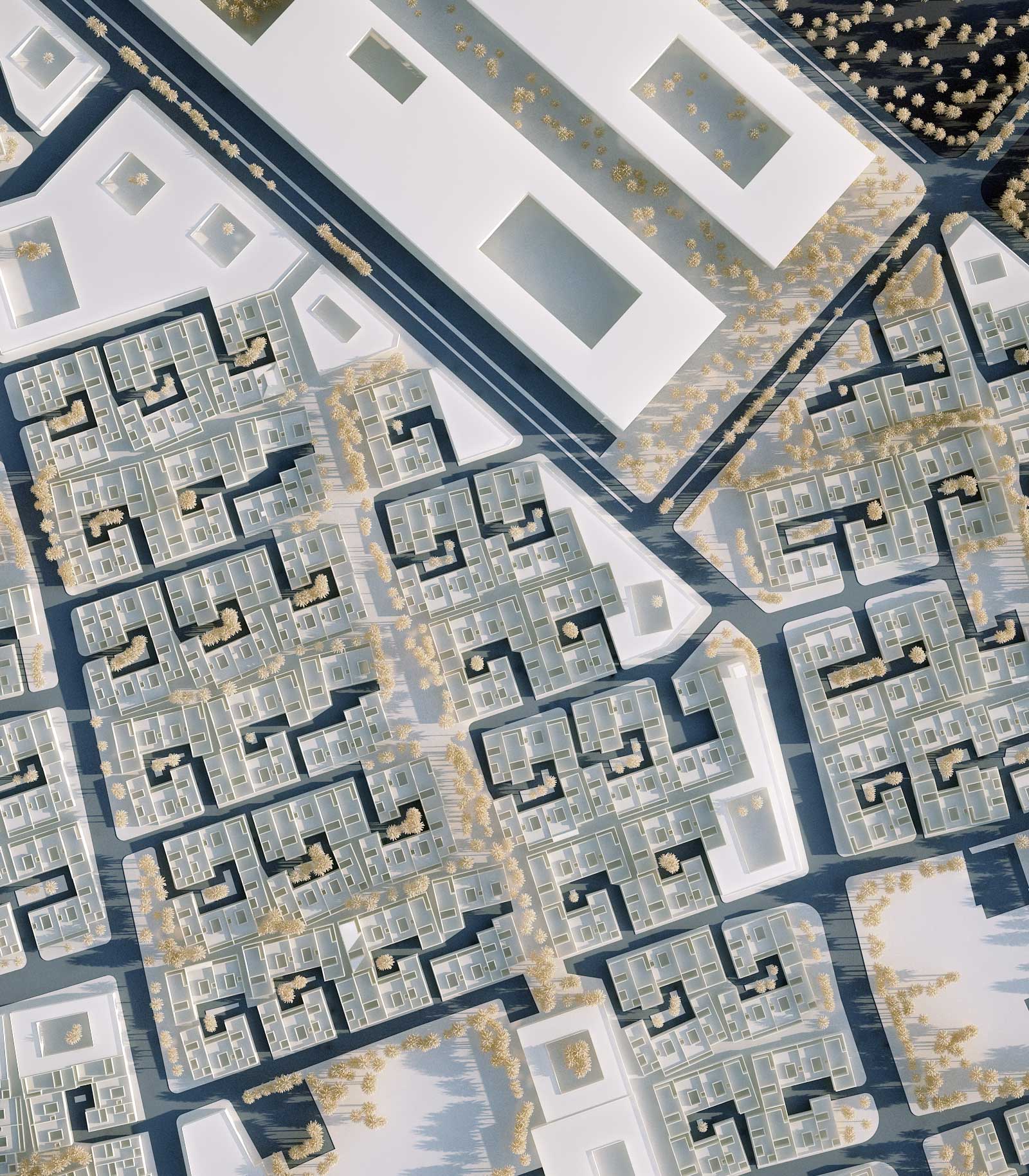
Design Concept and Vision: The design of the Awjila Residential Development is deeply rooted in sustainable urbanism. It seeks to blend with the natural topography, minimize environmental impact, and preserve the region's unique cultural and historical context. The urban layout is oriented to optimize shading and natural ventilation, essential in the desert climate, while promoting pedestrian-friendly streets and reducing reliance on automobiles.
Key Components and Functions:
Residential Areas:
Total Area: 120 hectares
Neighborhoods: The project is divided into several residential neighborhoods, encompassing a significant portion of the development. These neighborhoods are designed with varying densities to cater to different population groups, ensuring a mix of housing types from detached houses to apartment buildings.
Housing Units: The development offers a range of housing options, designed to meet the needs of the local population while maintaining the traditional architectural style of the region.
Local Centers:
Total Area: 20 hectares
Function: Multiple local centers are distributed across the development, each serving as a hub for community activities, including retail spaces, health centers, educational facilities, and recreational areas.
Main Center:
Total Area: 25 hectares
Function: The main center acts as the focal point of the development, integrating major commercial and social services. It is designed to be a vibrant urban space, fostering social interaction and community engagement.
Industrial Zone:
Total Area: 36 hectares
Function: This zone is dedicated to light industries and workshops, supporting local employment and economic growth. It is strategically located to minimize its impact on residential areas while ensuring easy access for transportation and logistics.
Sustainability and Environmental Solutions:
Climate-Responsive Design: The urban layout is meticulously planned to respond to the harsh desert climate, with buildings oriented to minimize solar gain and maximize natural cooling through cross ventilation.
Green Spaces and Landscaping: The development includes extensive green spaces and parks, designed to provide shaded areas and reduce the urban heat island effect. A green belt surrounds the settlement, acting as a windbreak and a buffer zone to protect against sandstorms.
Water Management: Sustainable water management practices are integral to the design, including the use of underground reservoirs and irrigation systems for landscaping, which are essential in this arid region.
Energy Efficiency: The project incorporates renewable energy sources, such as solar panels, to power public spaces and reduce the overall carbon footprint of the development.
Architectural Style and Cultural Integration: The architectural style of the Awjila Residential Development is a contemporary interpretation of traditional Libyan architecture, incorporating elements such as shaded courtyards, narrow alleys, and thick walls to enhance thermal comfort. The design respects the cultural and historical significance of Awjila, ensuring that new developments are seamlessly integrated into the existing urban fabric.
Conclusion: The Awjila Residential Development is more than just a housing project; it is a vision for sustainable urban living in the heart of the Libyan desert. By combining modern urban planning with respect for cultural heritage and environmental sustainability, this project sets a new standard for residential communities in the region. It aims to provide a high quality of life for its residents while preserving the natural and cultural legacy of Awjila for future generations.