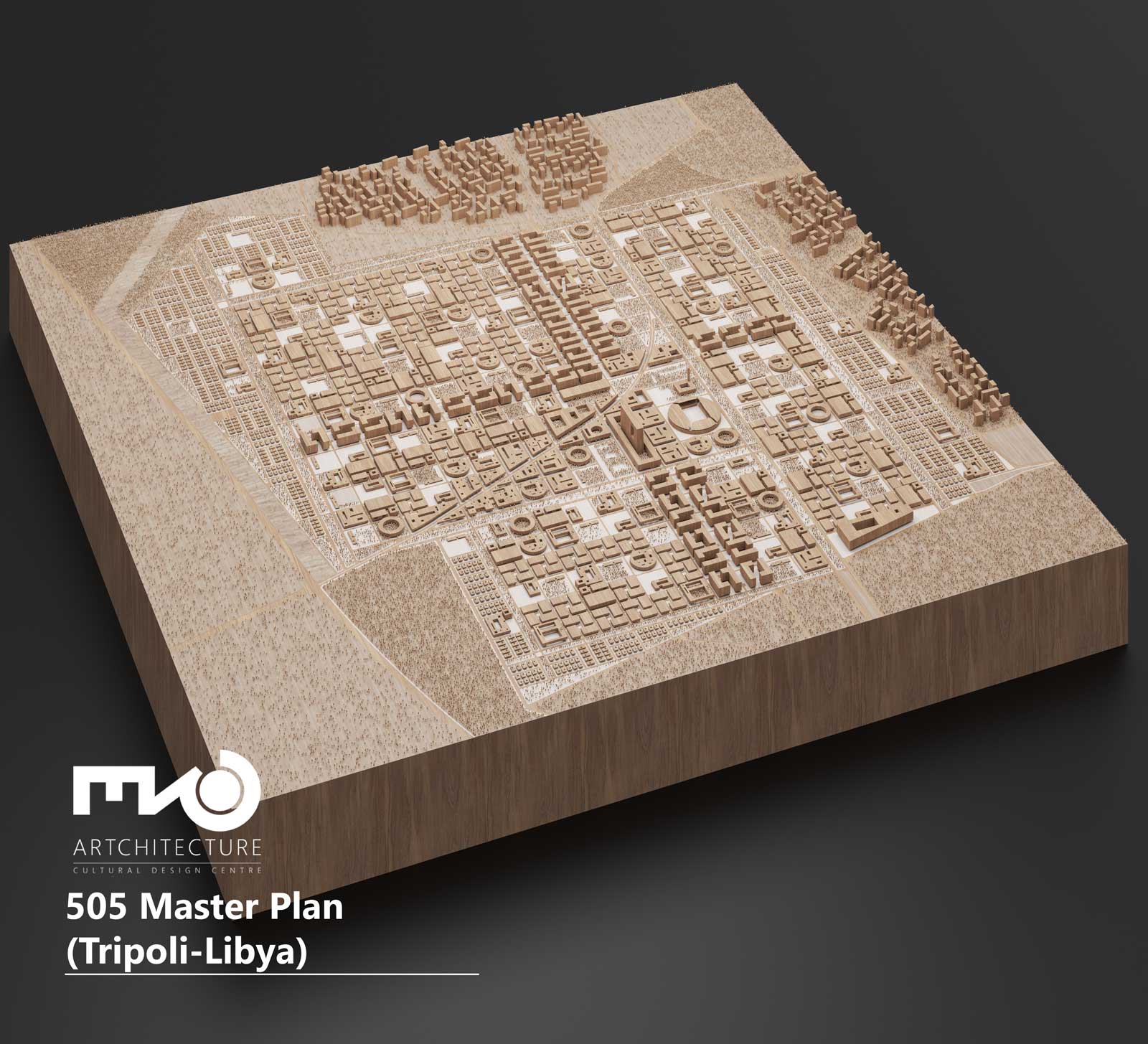



- Location: Tripoli – Libya
- Year: 2014
- Client: Libyan Company Preparation & Urban Development
- Designer: Muftah Design
- Site Area: 5,050,000 m2
- Built-up area: 2,390,000 m2
- Use: Master Plan
- Phase: Design
- Role: Project Architect
Engila Master Plan: A Paradigm of Sustainable Urban Development in Libya
Project Overview
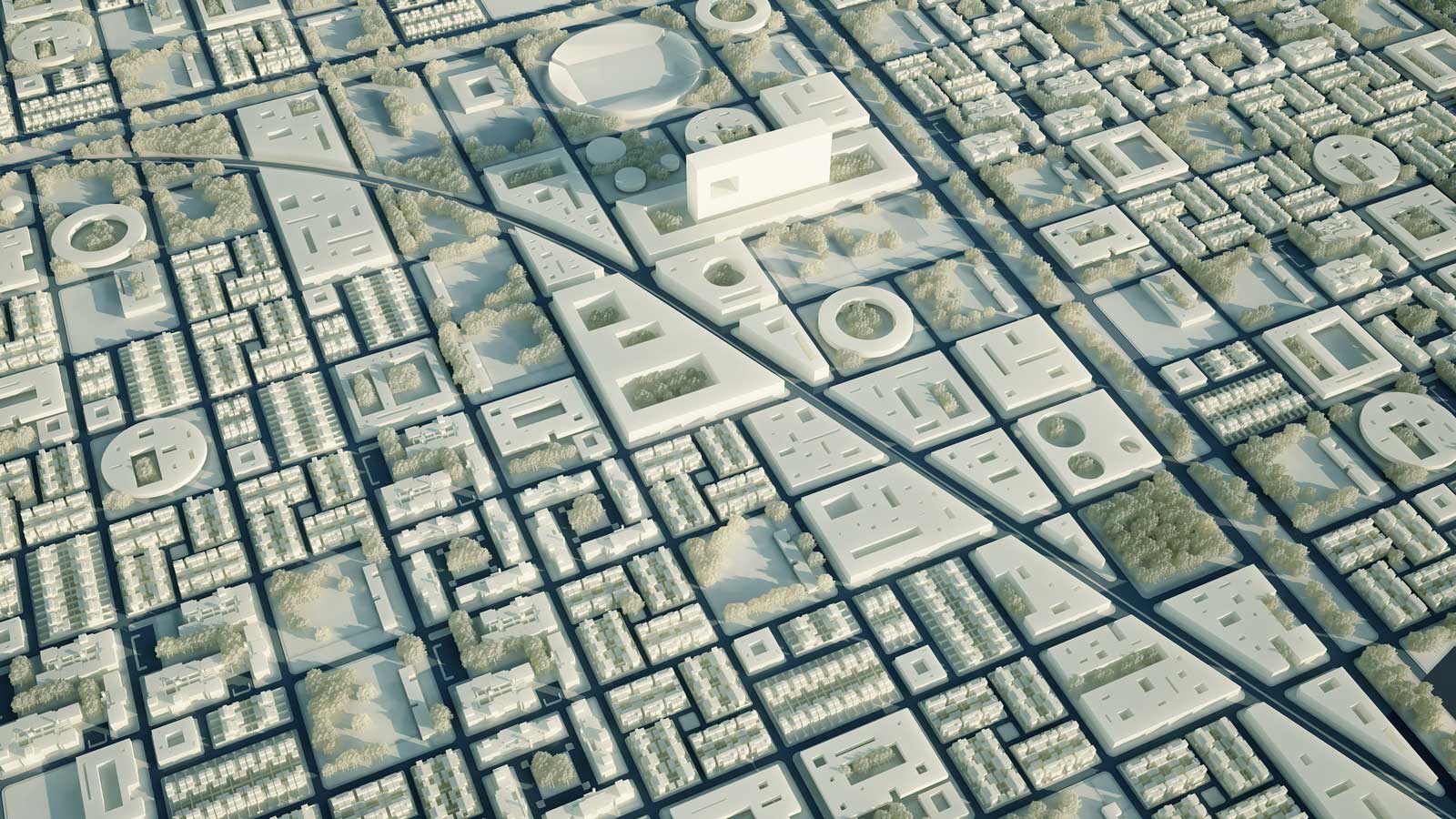
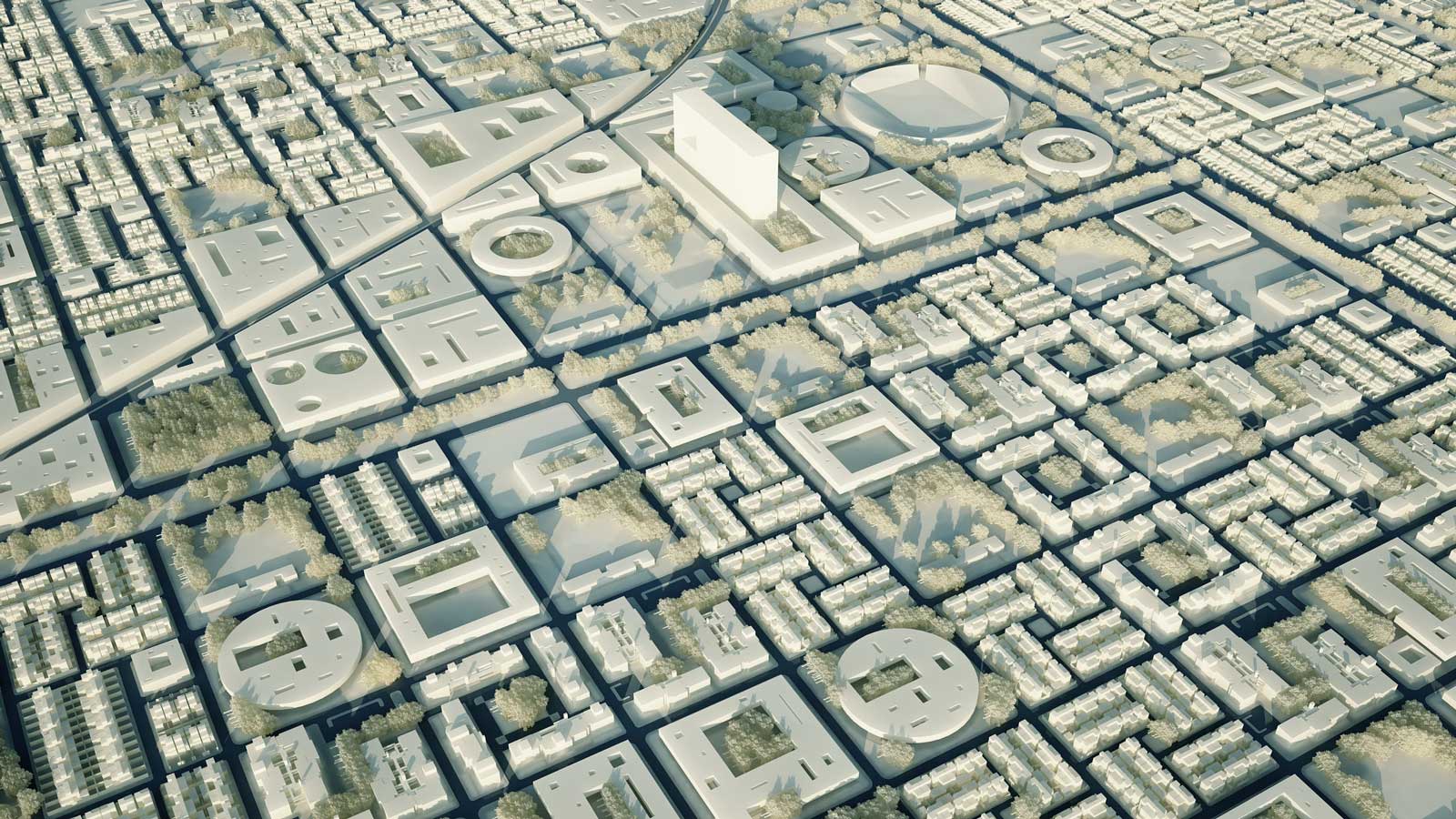
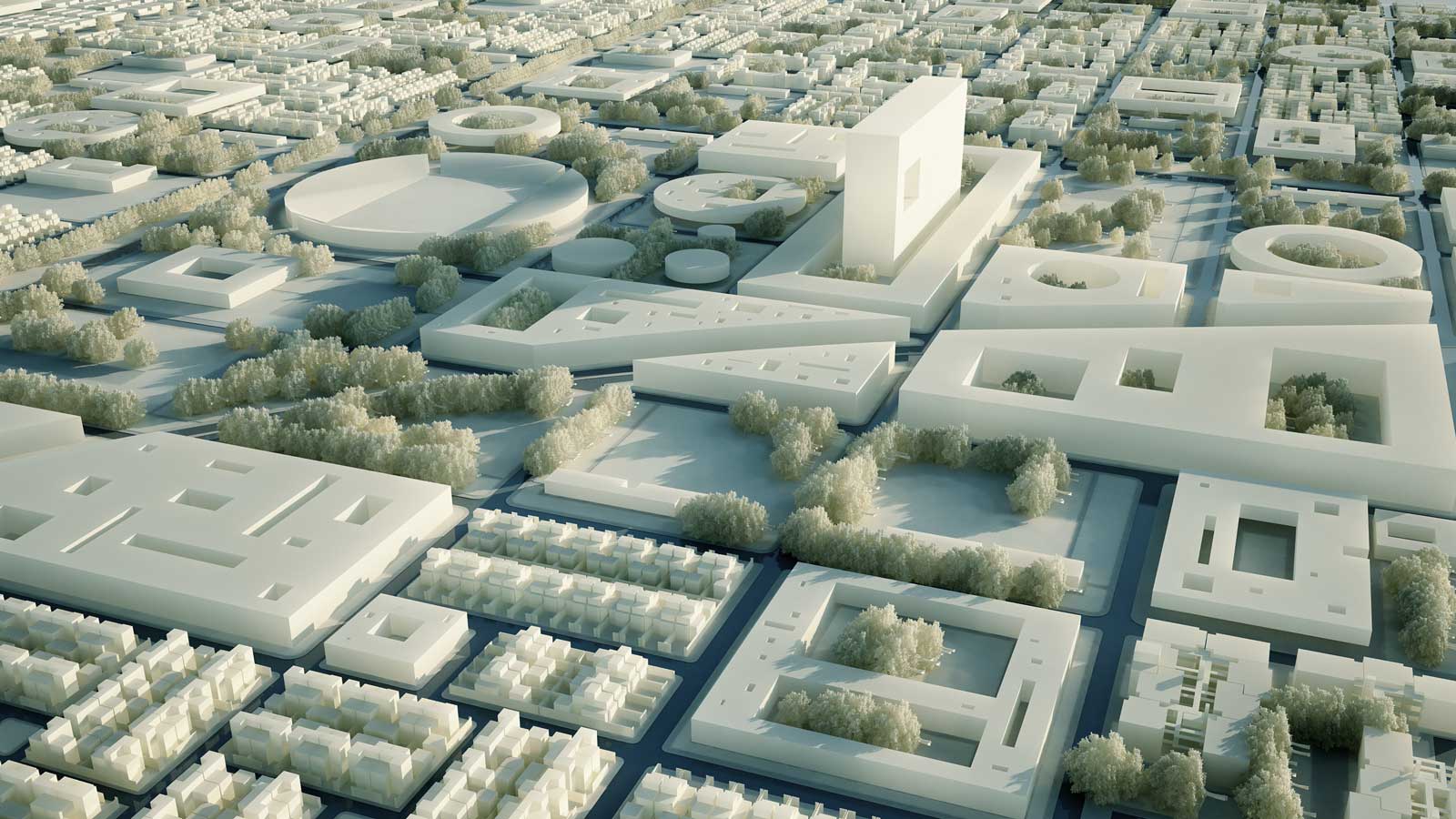
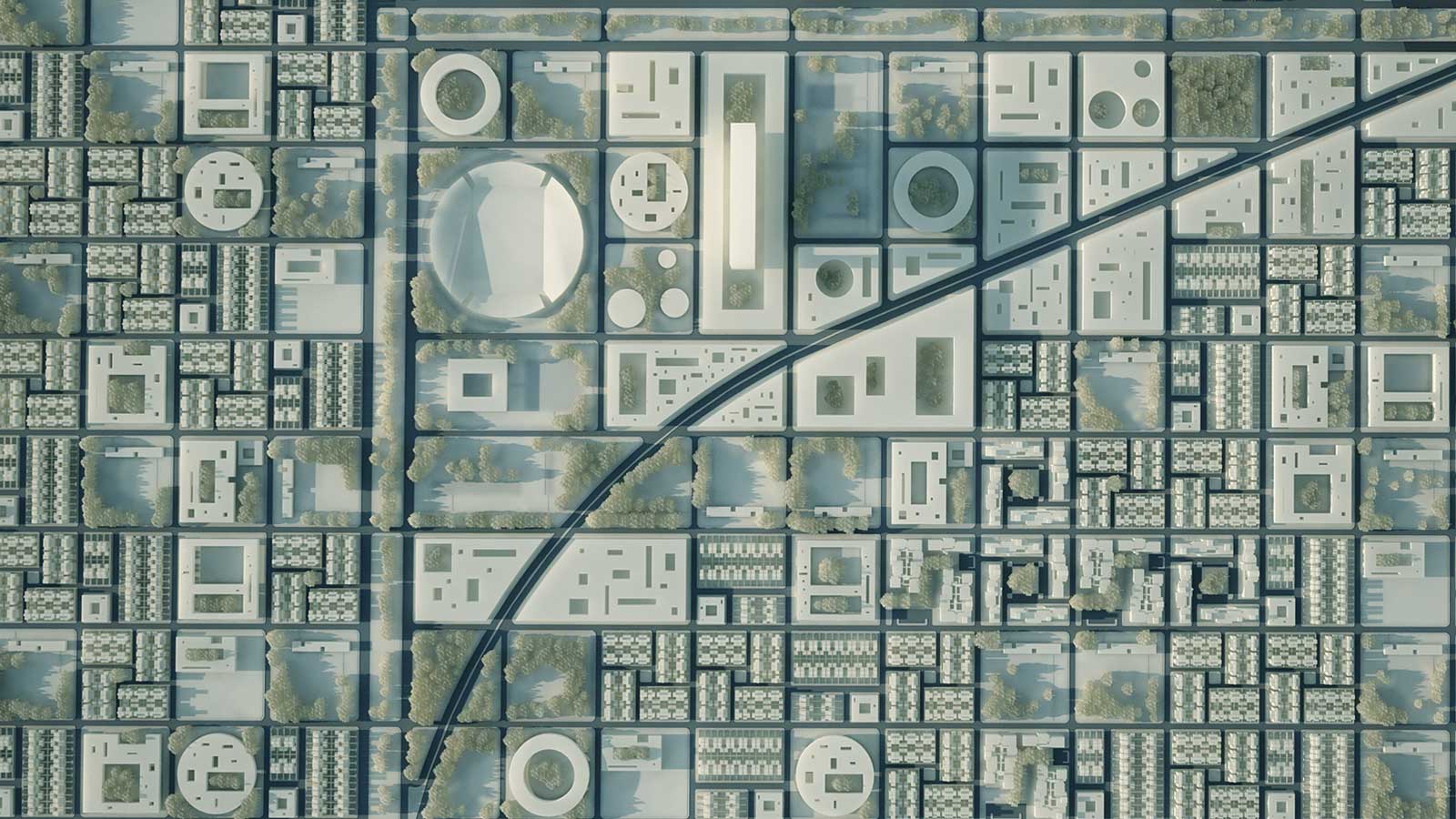
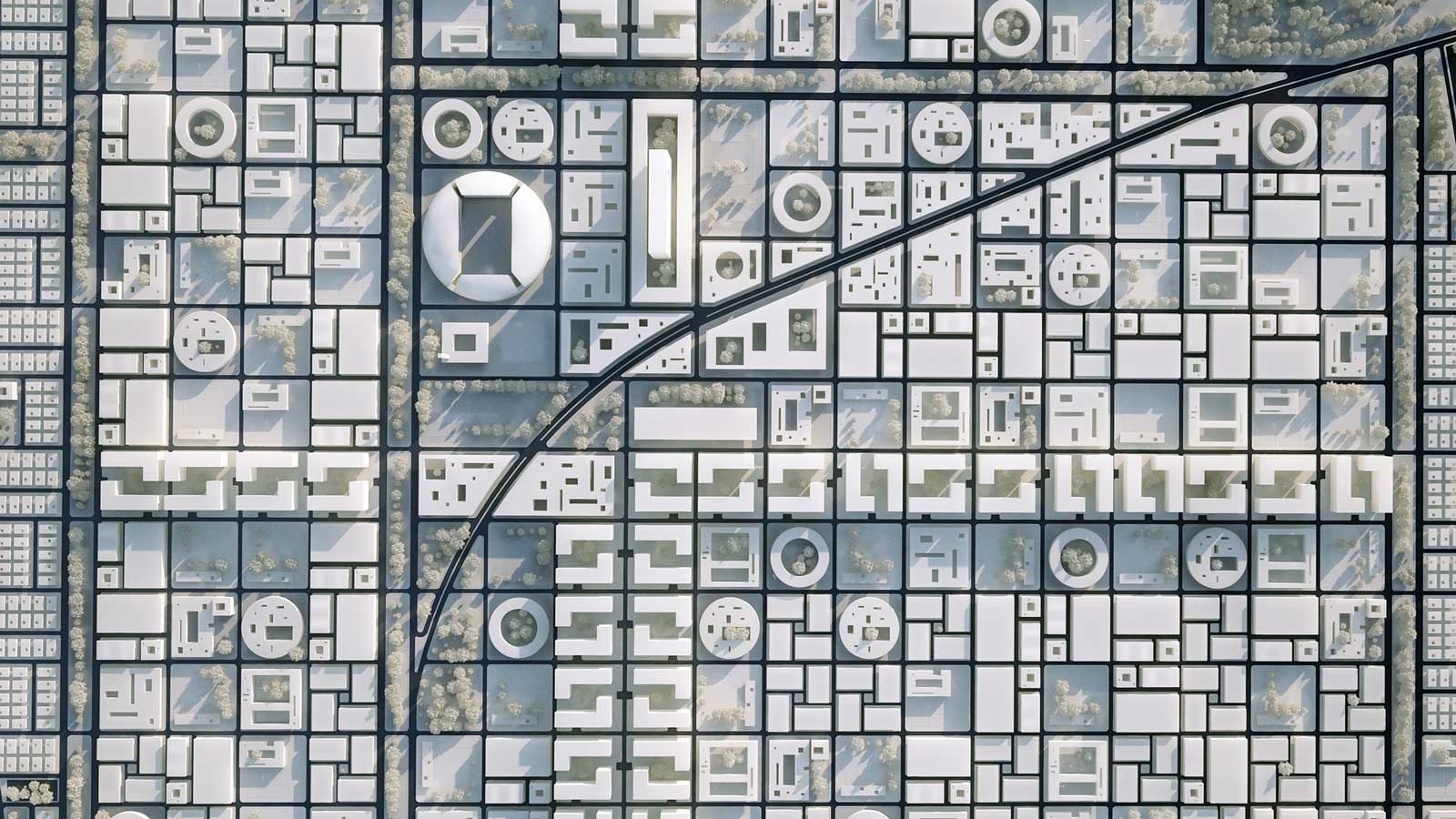
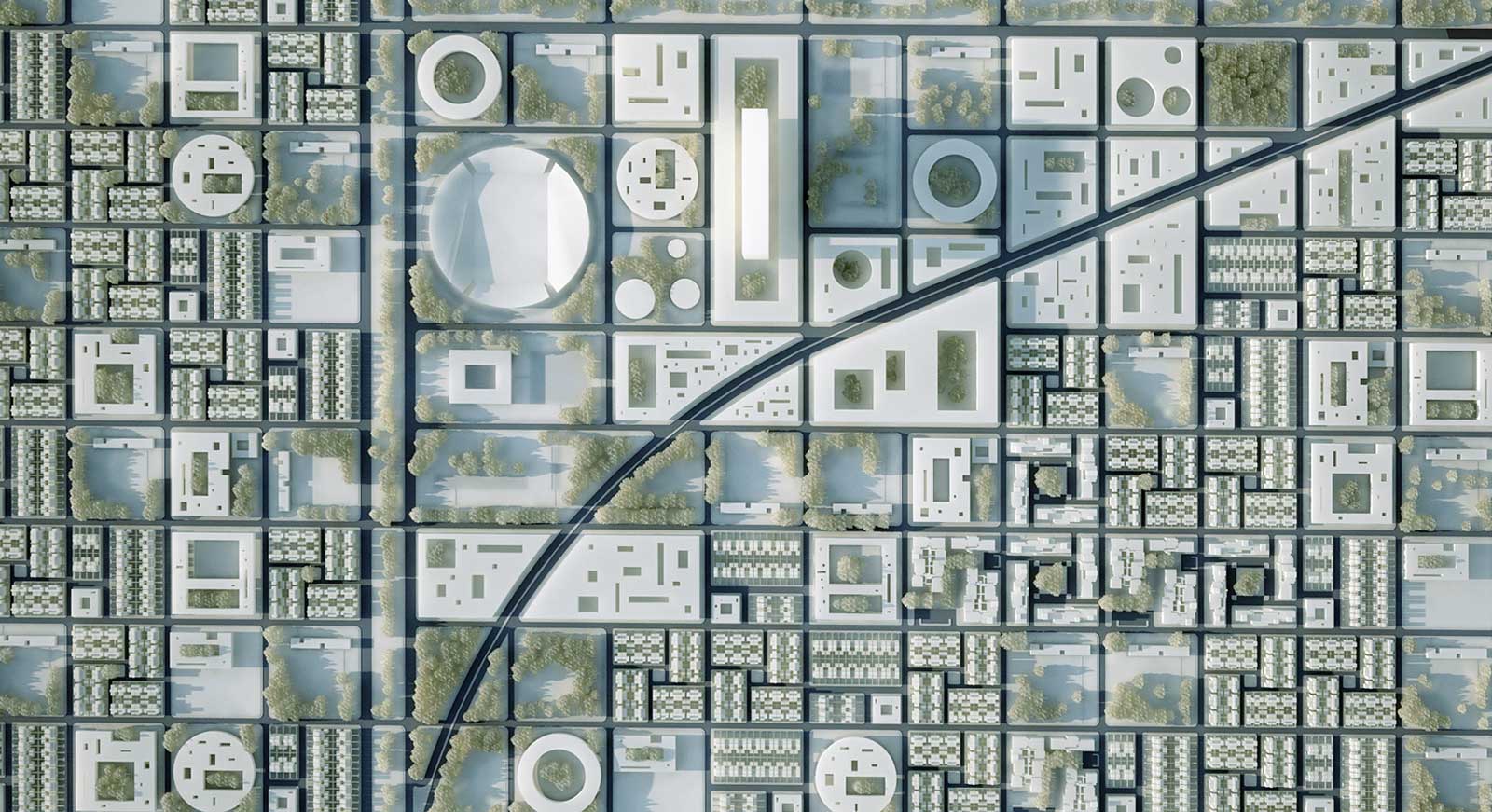
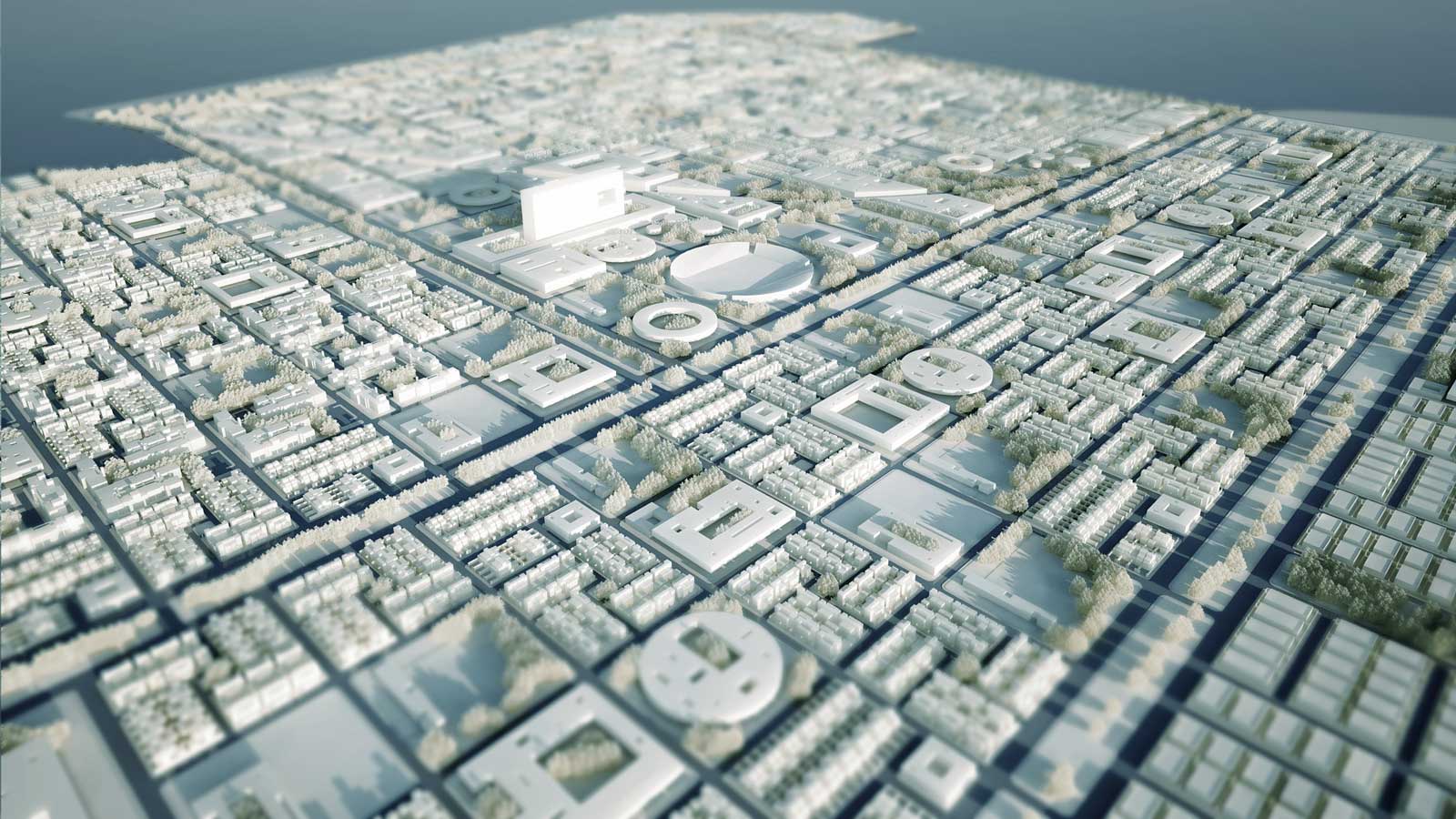
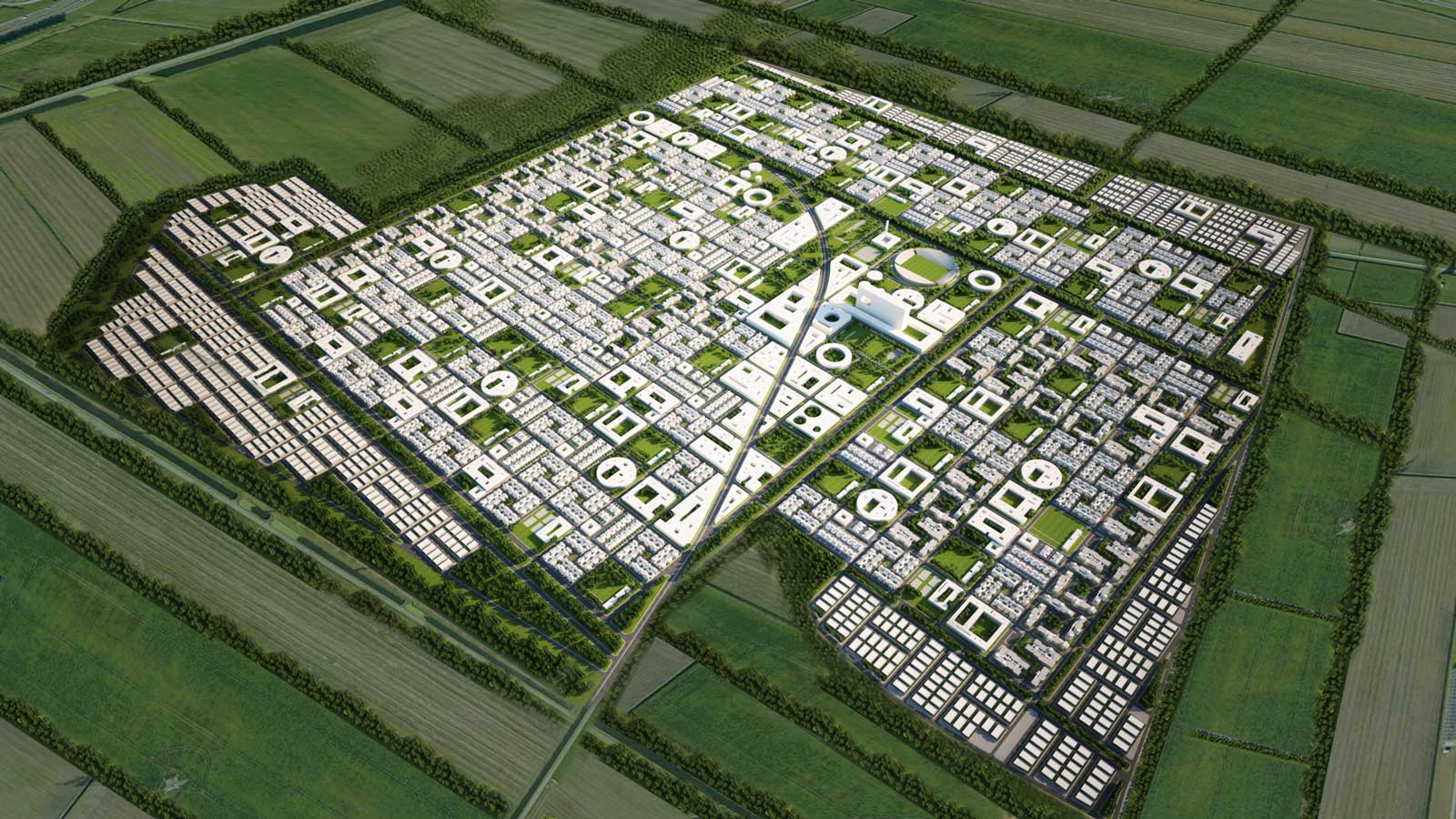
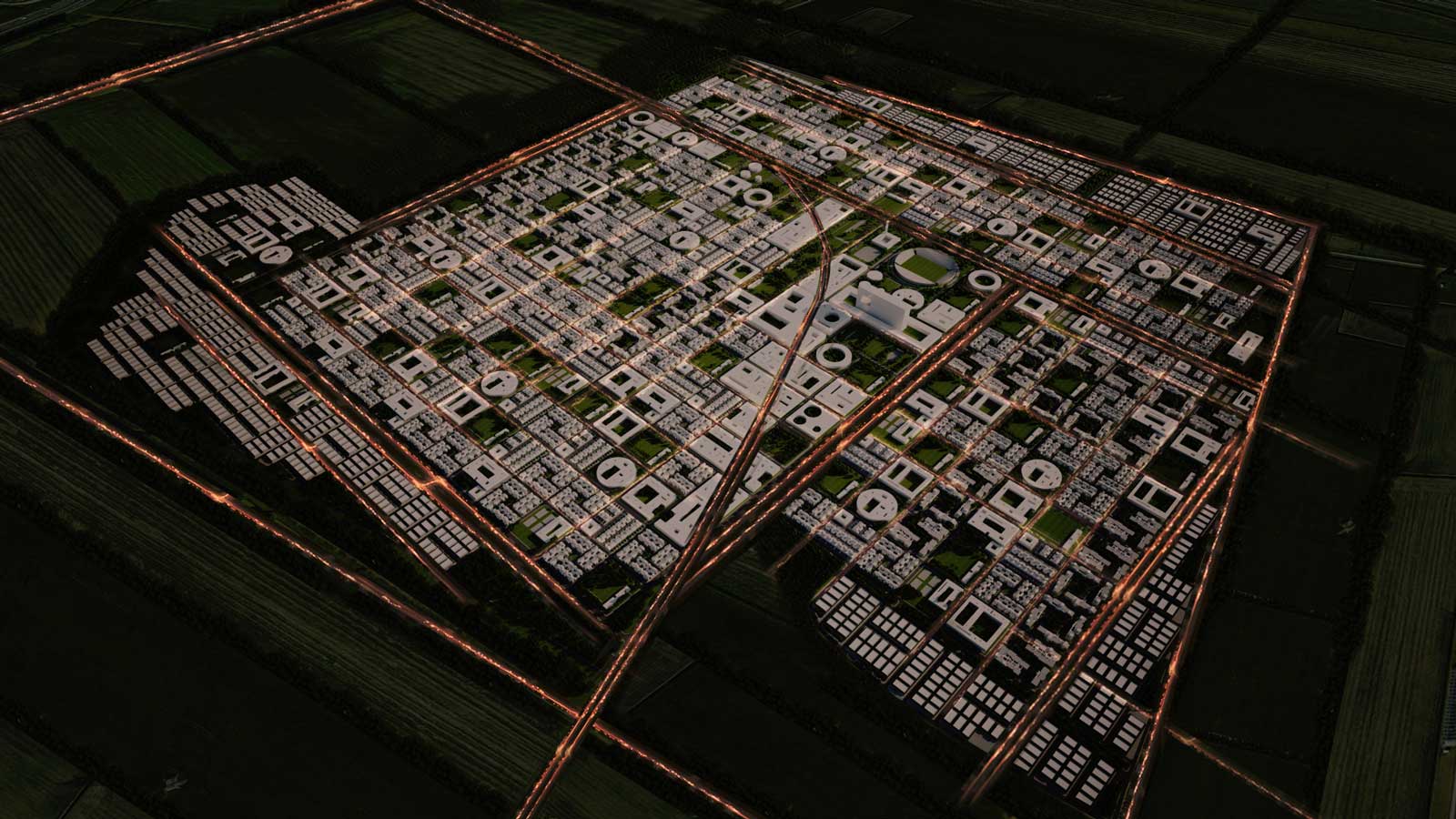
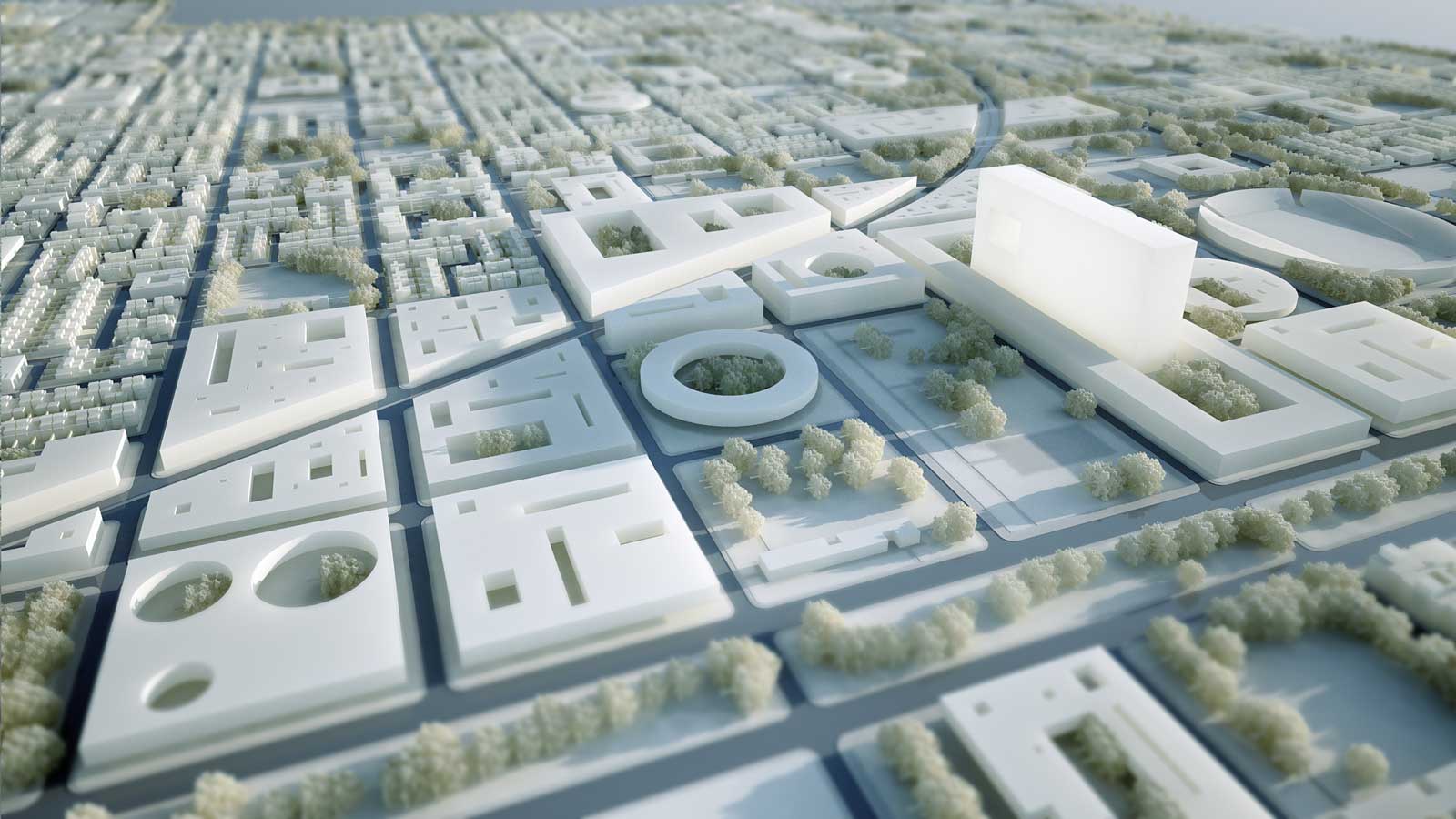
Situated west of Tripoli, the Engila Master Plan spans an extensive 505 hectares, envisioned as a model for comprehensive urban and residential development. The project integrates a thoughtful approach to urban planning, addressing the diverse needs of the local population while adhering to principles of sustainability. With a strategic balance between residential neighborhoods, community services, and green spaces, the master plan sets a benchmark for future urban expansions in Libya.
Urban Zoning and Functional Components
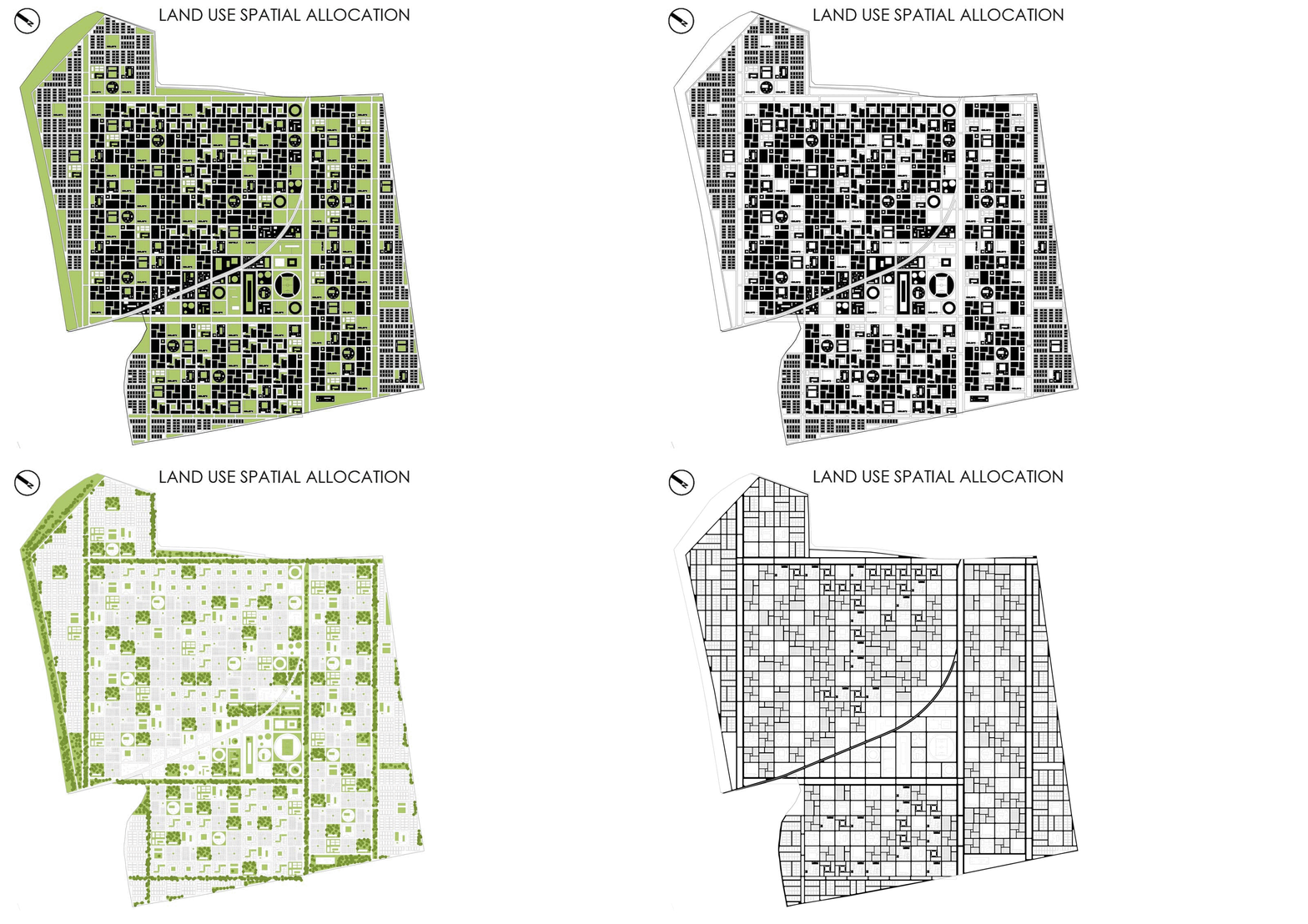
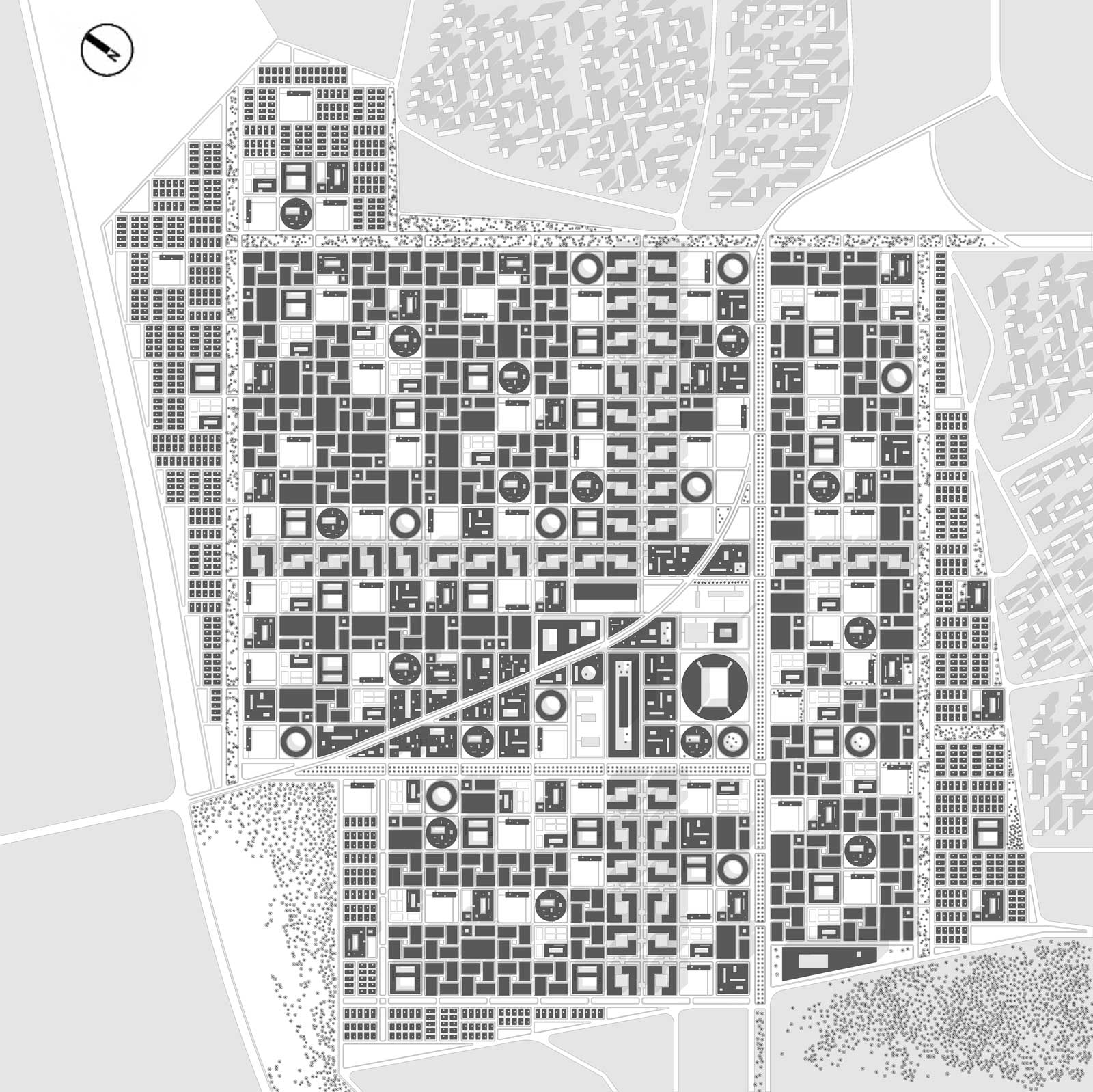
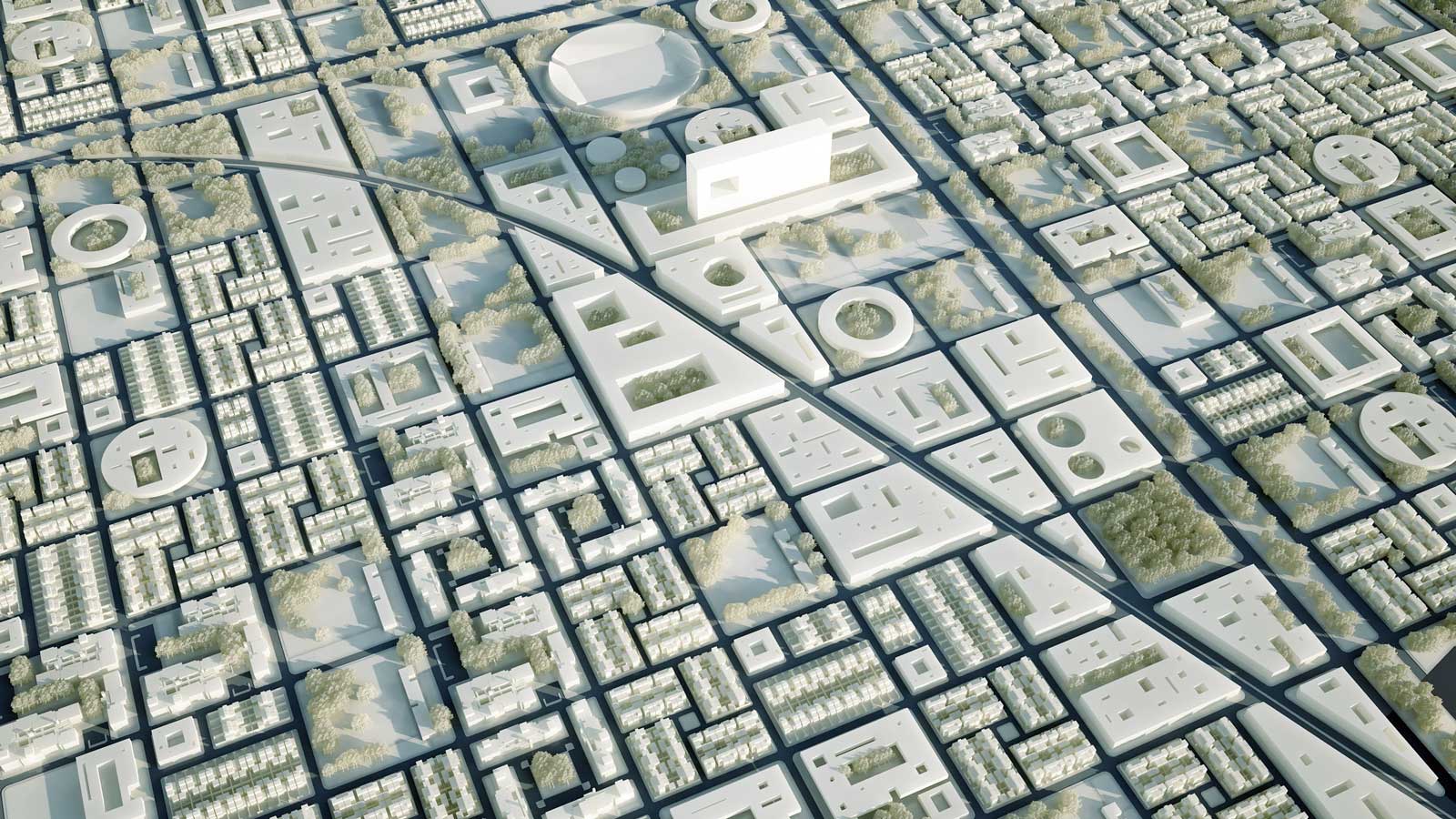
The Engila Master Plan delineates its area into carefully zoned districts, ensuring seamless integration of residential, commercial, cultural, and recreational spaces. The zoning reflects a commitment to providing easy access to essential services while maintaining a high standard of living.
Residential Districts
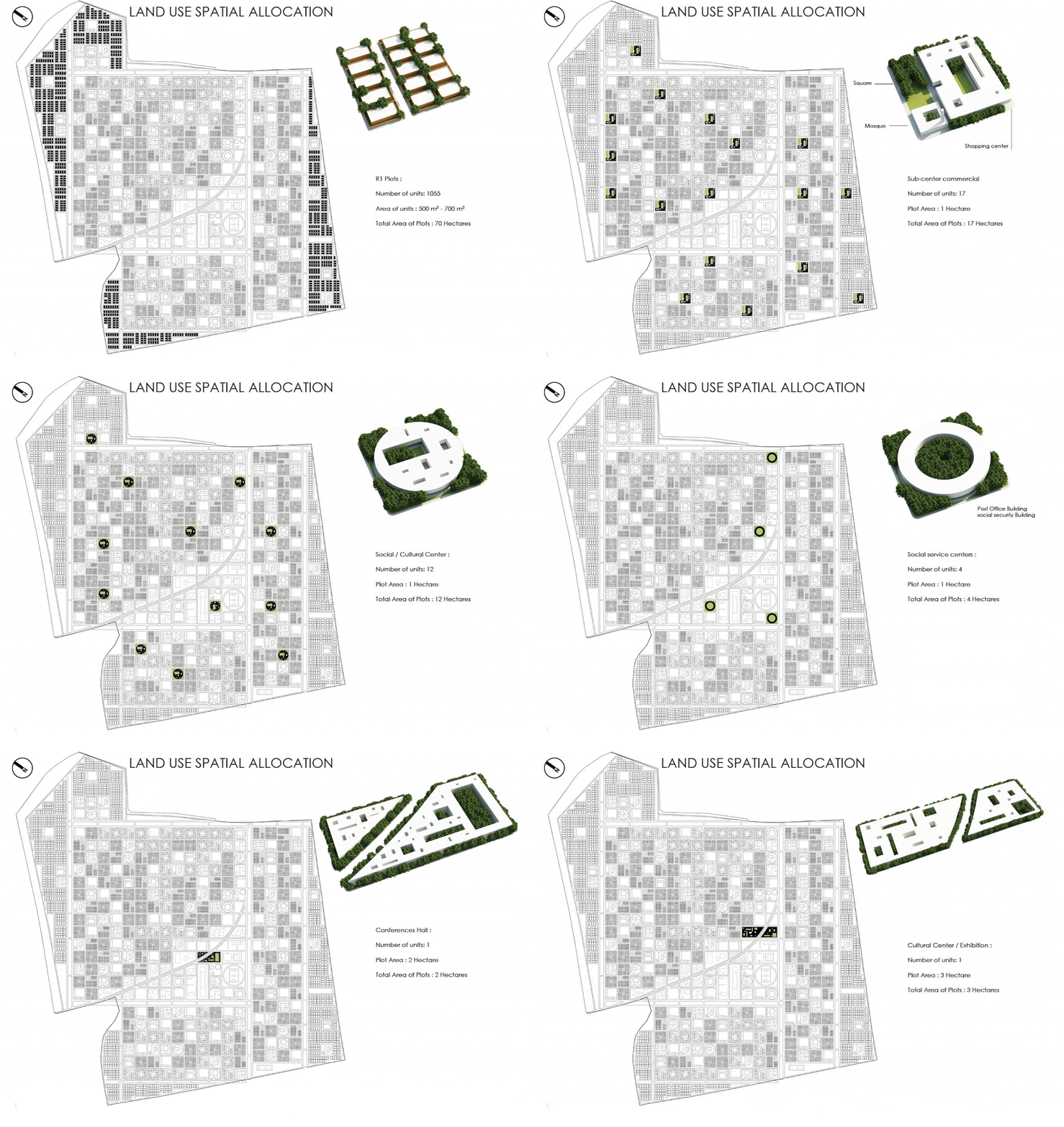
R1 Plots: A total of 1,055 housing units, each with plot sizes between 500 and 700 square meters, occupy a 70-hectare area. These larger plots cater to families seeking expansive living spaces.
R2 Plots: Comprising 3,744 housing units, each plot measures 140 square meters, distributed over 78 hectares. This zoning prioritizes medium-density residential needs.
R3 Plots: Featuring 2,760 housing units with plot sizes between 120 and 140 square meters, covering 47 hectares. This area supports higher-density housing with efficient land utilization.
Commercial and Service Hubs
Suburban Commercial Center: Spanning 17 hectares, this hub includes 17 commercial units, offering retail and everyday services.
Business Center: A 3-hectare precinct designed for office spaces and professional services.
Cultural Center and Exhibition Space: Encompassing 3 hectares, this facility fosters cultural engagement and artistic expression.
Educational and Healthcare Infrastructure
Schools: Allocating 15 hectares for 15 schools, with each institution spanning 1 hectare, catering to both primary and secondary education.
Healthcare Centers: Distributed across 14 hectares, these centers ensure accessible medical services within the community.
Recreational and Green Spaces
Parks and Green Areas: Occupying 52 hectares, these zones prioritize relaxation, recreation, and ecological balance.
Sports Complex: A 19-hectare facility offering diverse sports amenities for residents.
Stadium: Spanning 4 hectares, this venue doubles as a space for sports events and cultural gatherings.
Administrative and Service Facilities
Administrative Buildings: Comprising four units over 4 hectares to accommodate municipal services.
Conference Hall: Covering 2 hectares, designed for large-scale events and meetings.
Municipality Building: A 2-hectare facility serving as the administrative hub.
Security and Judicial Complex: A 1-hectare facility dedicated to law enforcement and judicial functions.
Urban Design and Infrastructure
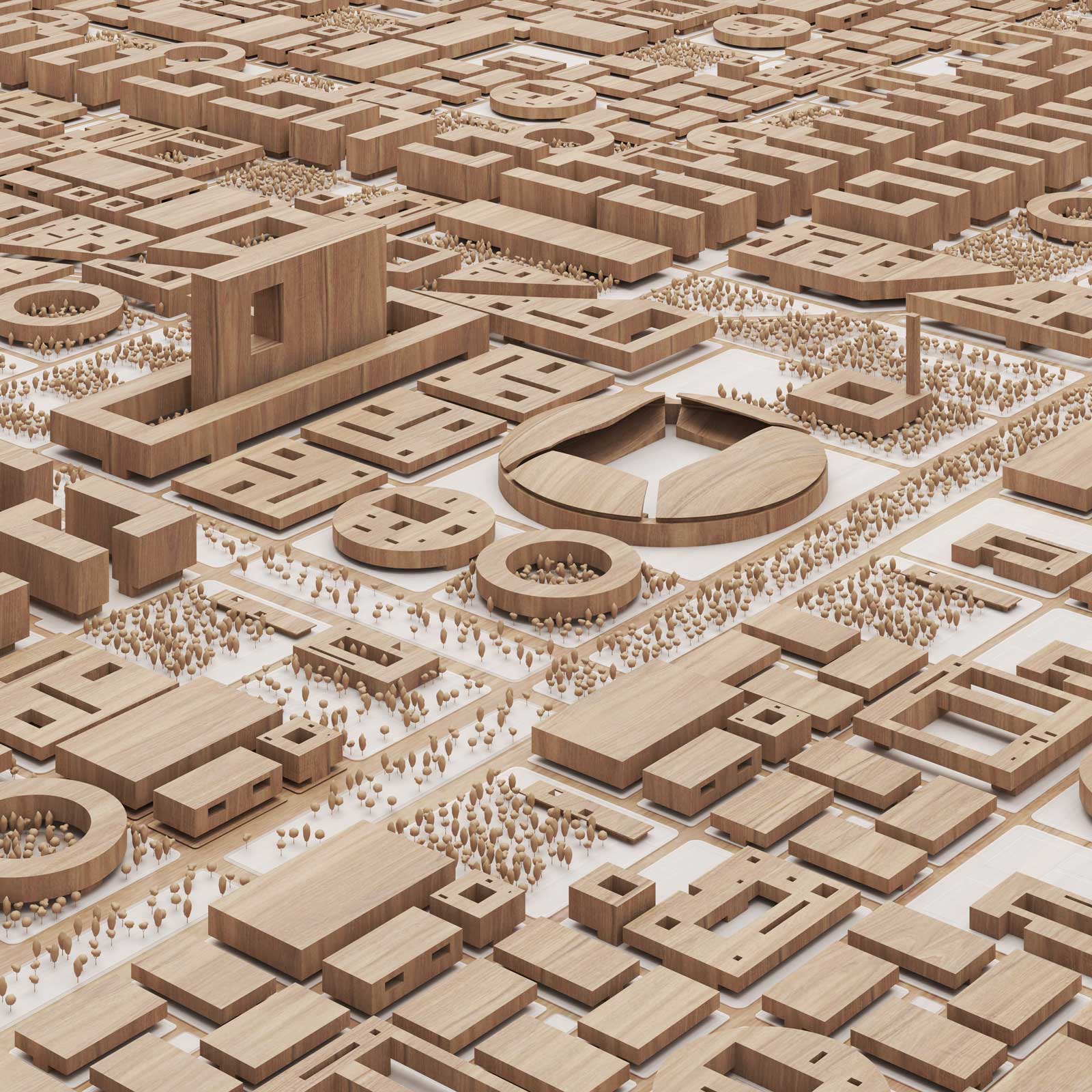
The master plan employs a human-centered urban design that emphasizes livability and sustainability. The road network features pedestrian-friendly pathways and dedicated vehicular routes to minimize congestion and enhance accessibility. The infrastructure incorporates advanced systems for water, electricity, and waste management, ensuring efficiency and sustainability.
Sustainability and Vision
The Engila Master Plan is a forward-looking urban model, embodying principles of sustainable development through its integration of green spaces, energy-efficient infrastructure, and a balanced urban layout. It reflects a commitment to fostering a vibrant community that supports cultural, economic, and social growth.
Conclusion
The Engila Master Plan transcends conventional urban design by offering a well-rounded, sustainable living environment. With its meticulous zoning, state-of-the-art infrastructure, and community-oriented design, the project is poised to become a cornerstone of Libya’s urban transformation. By addressing current needs and anticipating future growth, Engila establishes itself as a visionary blueprint for urban development in the region.
 .
.