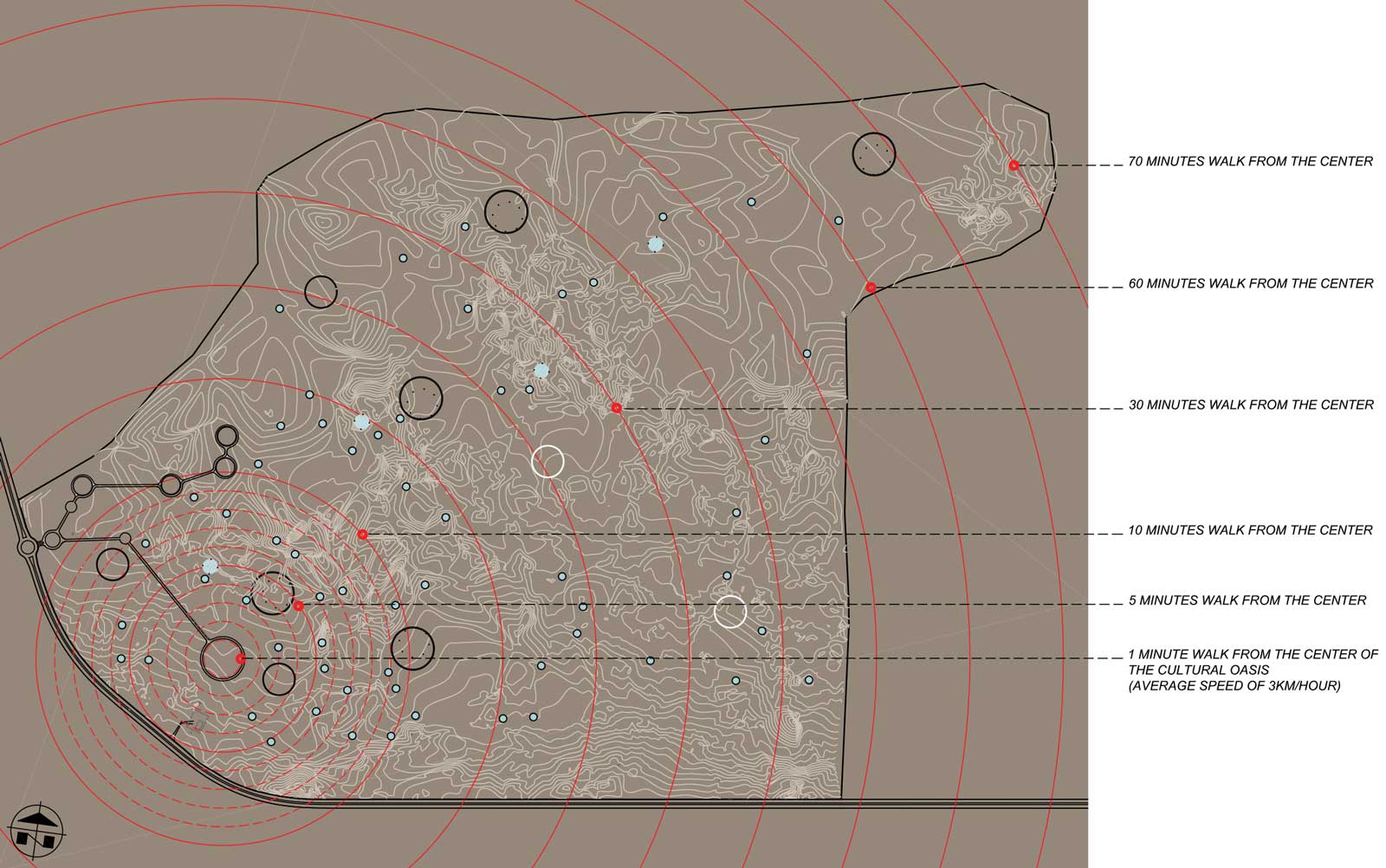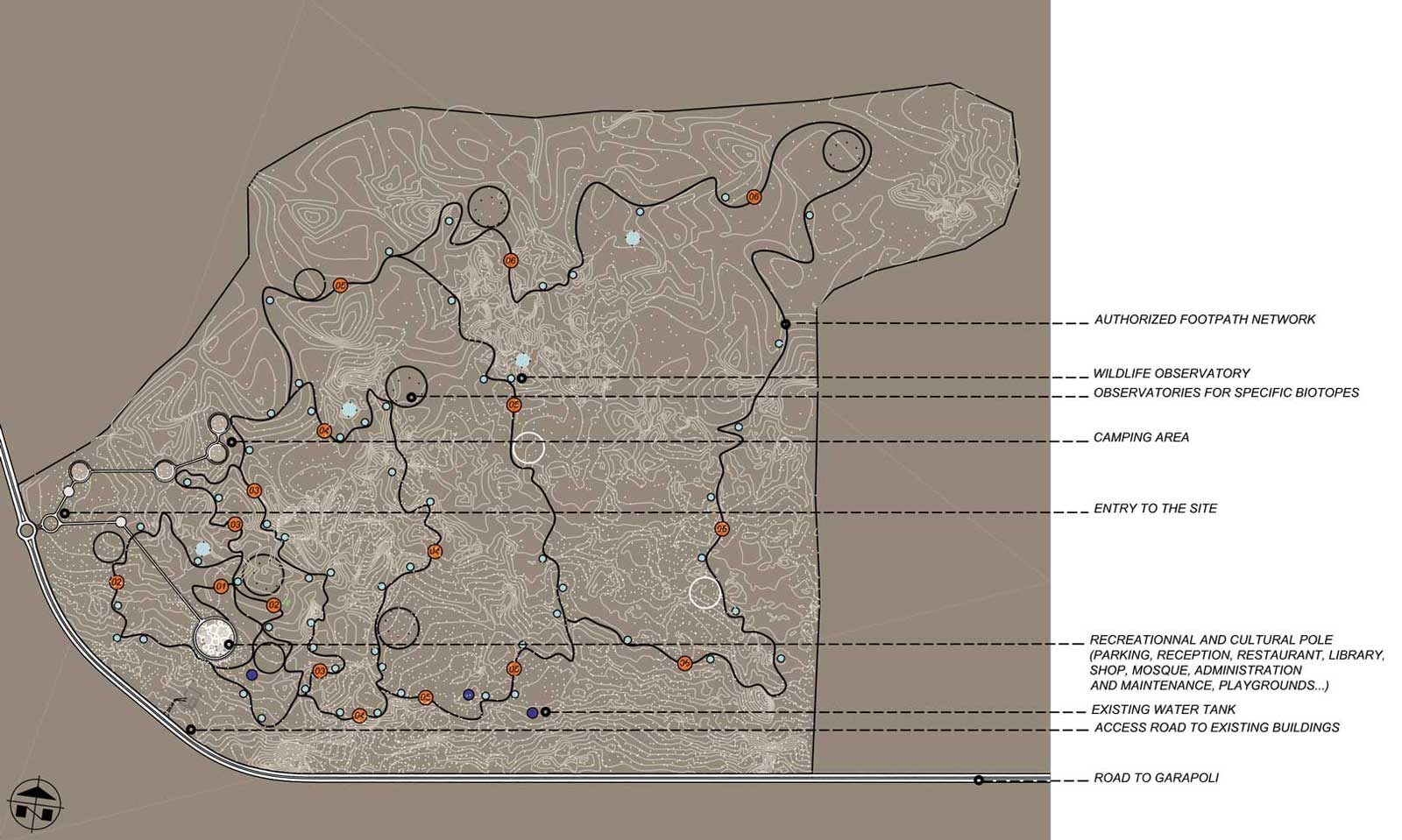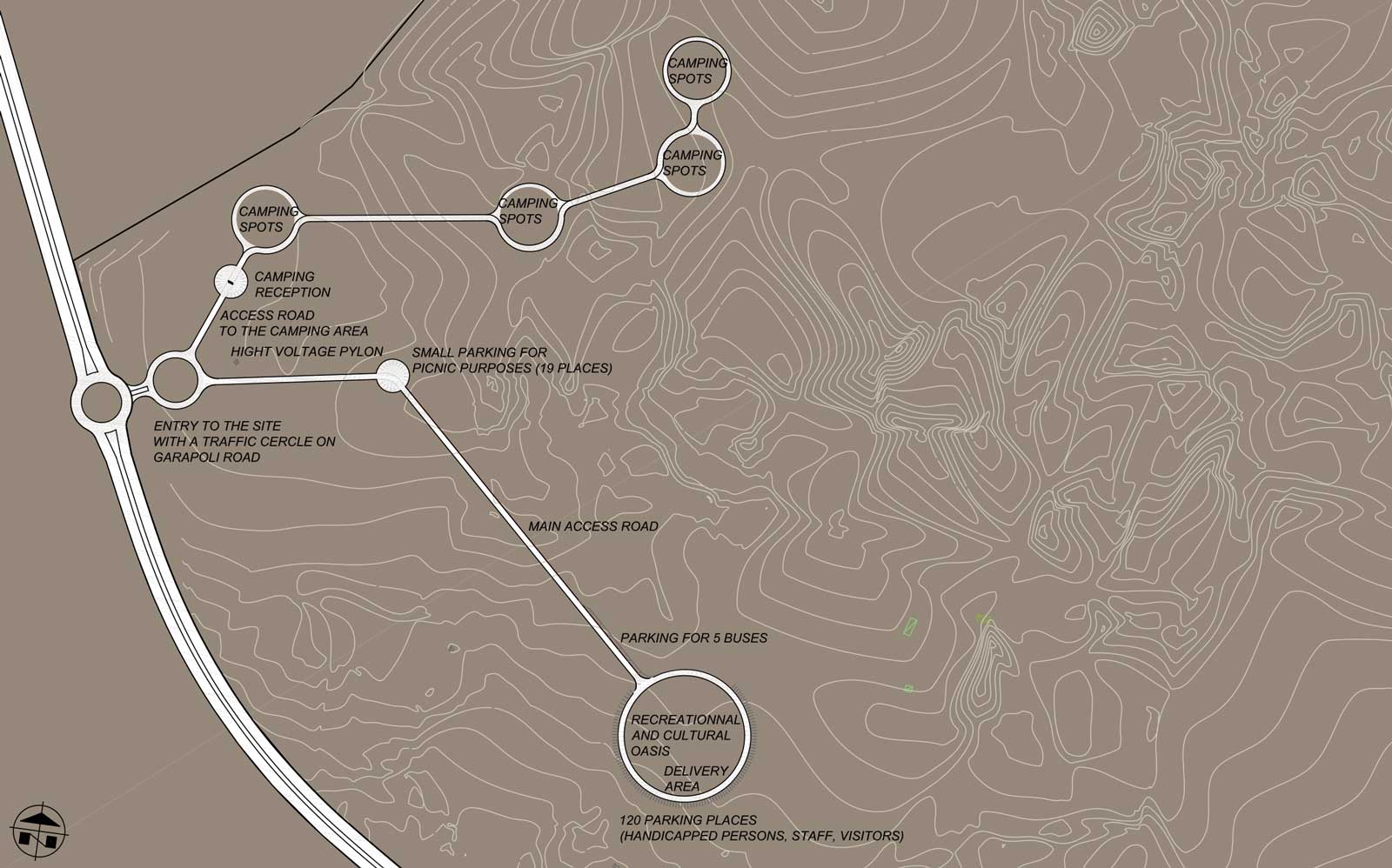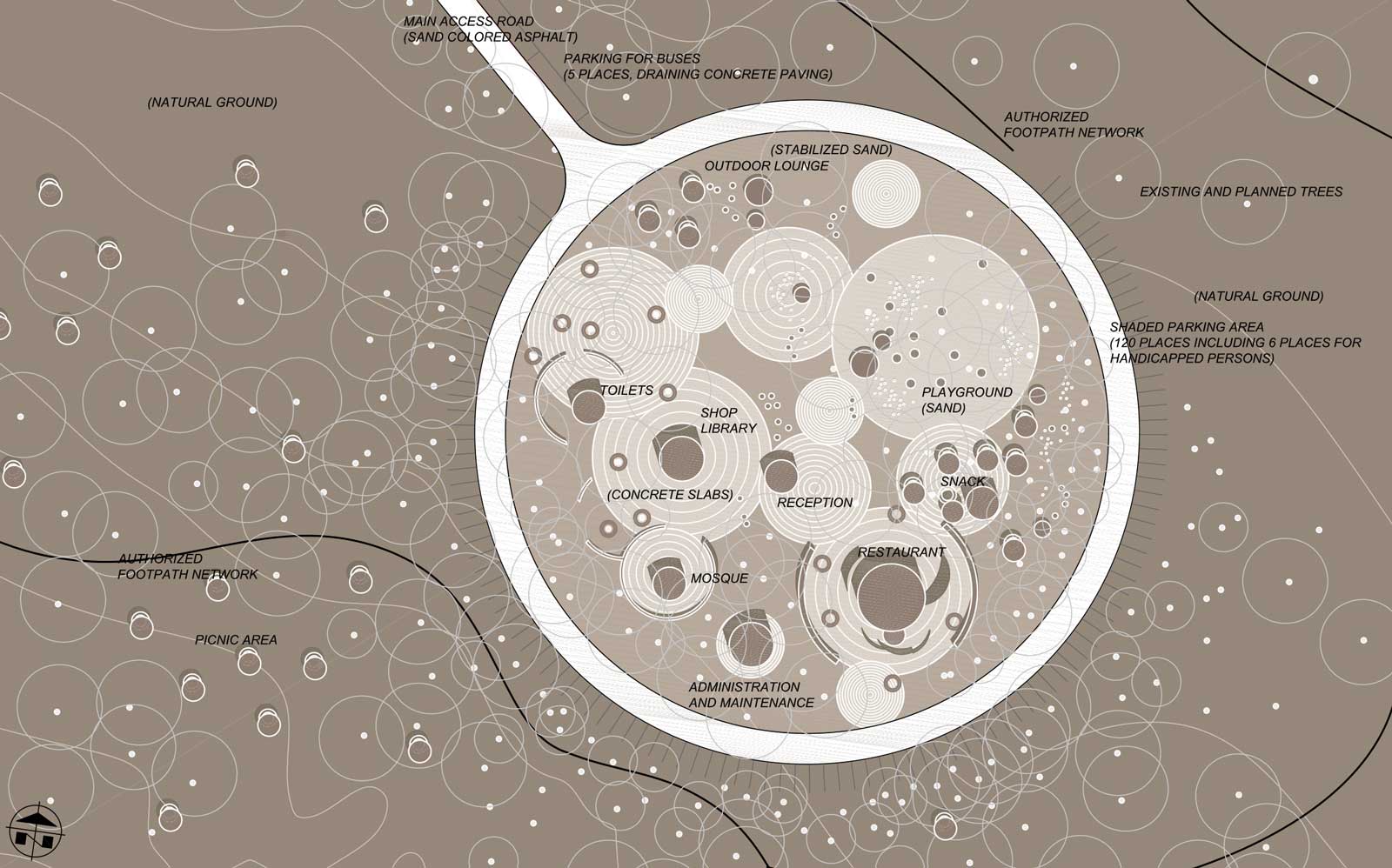



- Location: Al-Gowea – Libya
- Year: 2009
- Client: National parks project
- Designer: Sep Park Design
- Site Area: 36,000 m2
- Built-up area: 6400 m2
- Use: National Park
- Phase: Design
- Role: Coordination between parties as a representative of ECOU

Al-Gowea National Park: A Vision for Sustainable Recreation and Conservation
Overview
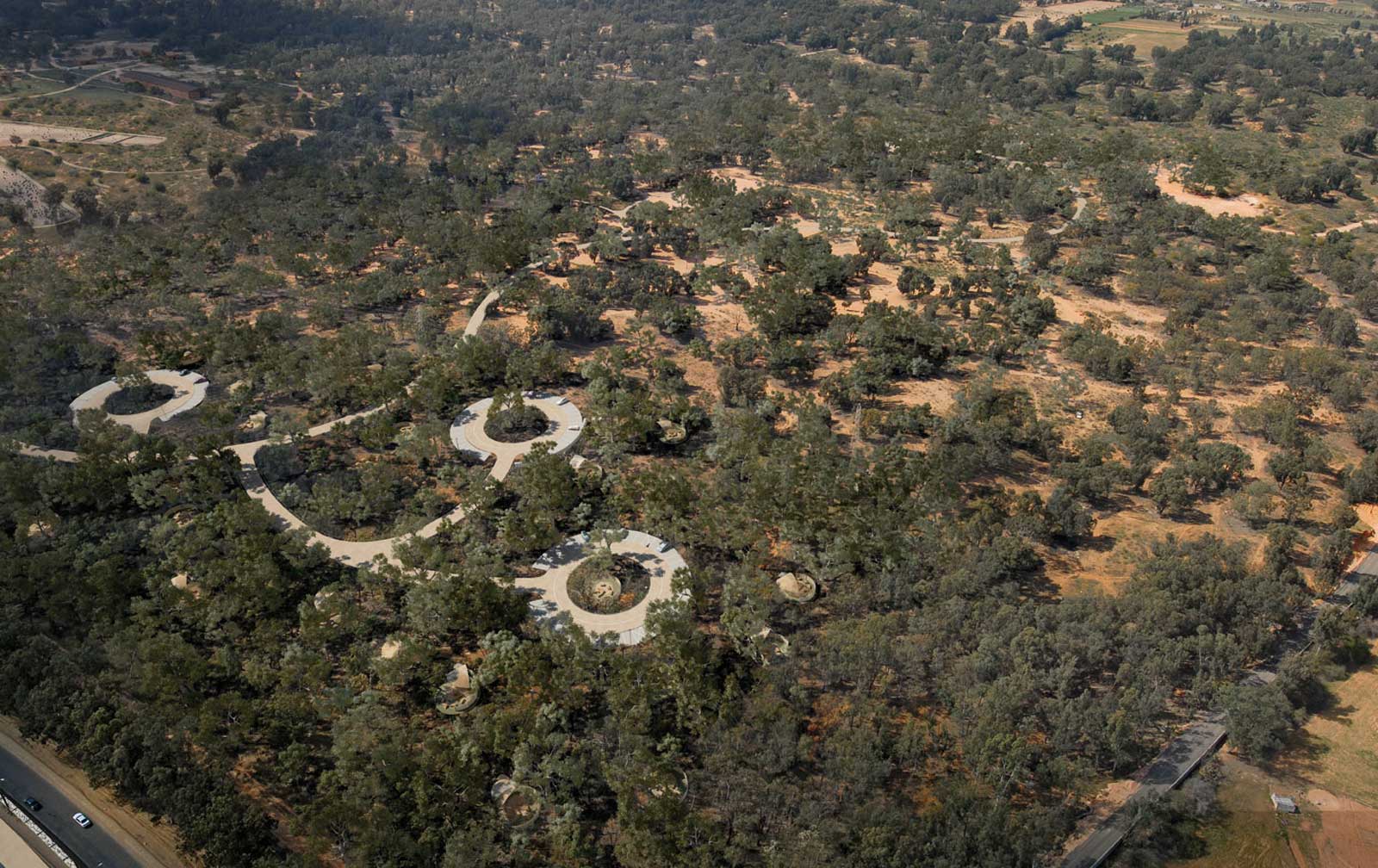
Located 100 kilometers east of Tripoli, Libya, Al-Gowea National Park is a green sanctuary designed to harmonize ecological conservation with modern recreational amenities. Covering an area of 452 hectares, the park serves as a vital hub for families, nature enthusiasts, and educational groups. With a focus on sustainability and the protection of sensitive ecosystems, the park offers a thoughtfully planned space that balances human access with environmental stewardship.
Design and Features
The park is divided into distinct zones, each tailored to provide a unique experience while ensuring minimal environmental impact:
Recreational and Cultural Area:
Camping:
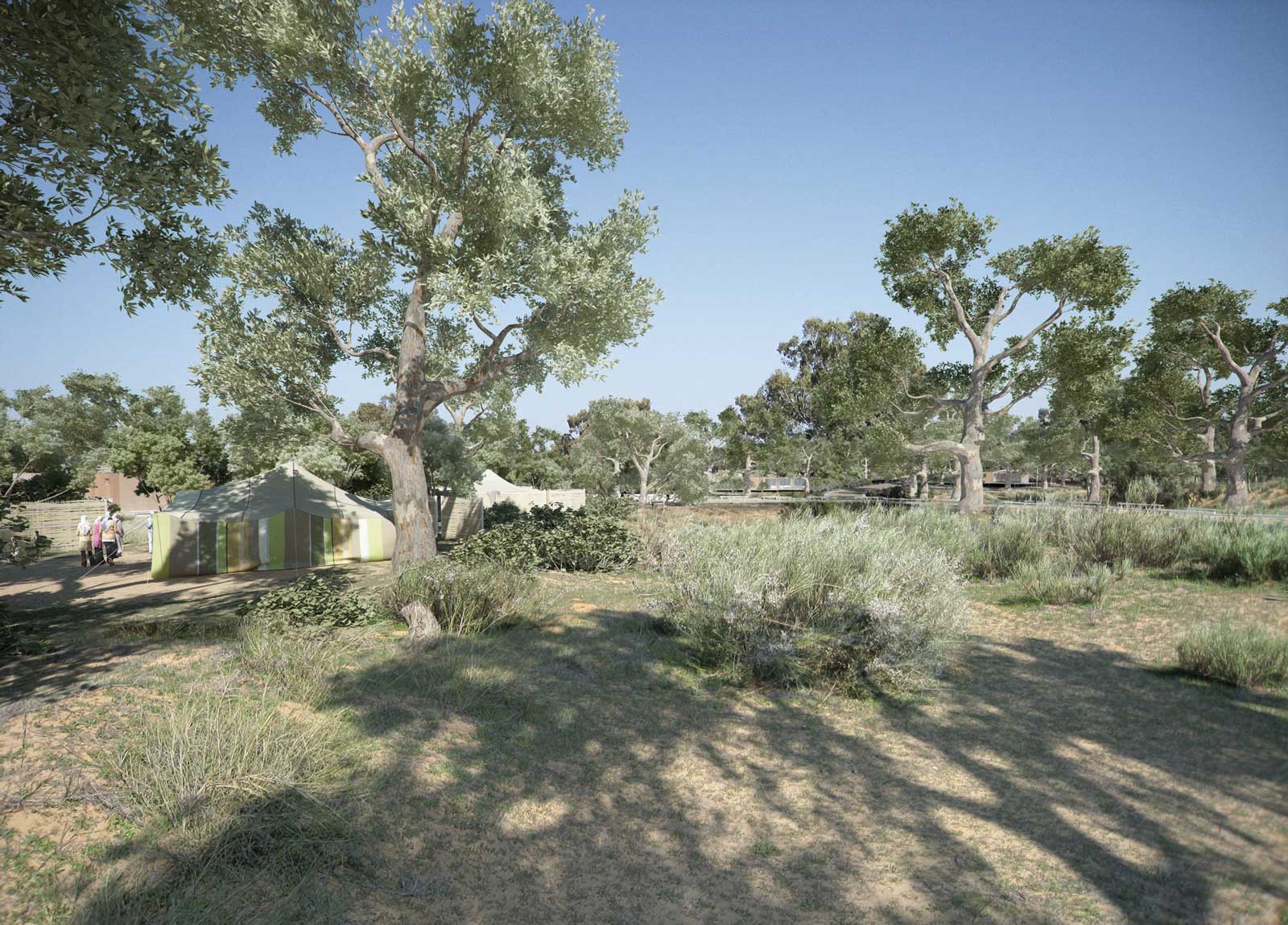
- The park offers 48 camping spots, each equipped with access to water, showers, and toilets.
- A central reception area provides camping equipment rentals and small groceries.
Parking:
- Designed to accommodate 820 vehicles, including spaces for buses and individuals with disabilities, ensuring accessibility for all visitors.
Cultural Oasis:
- A central gathering area that combines functionality and culture, featuring:
Library: A resource for educational and leisure reading.
Shop: Selling locally made crafts and essentials.
Restaurant: Includes a fully equipped kitchen, refrigerated storage, and dining areas.
Mosque: A space for prayer and reflection.
Public Toilets: Includes facilities for men, women, and individuals with disabilities, as well as a baby-care room.
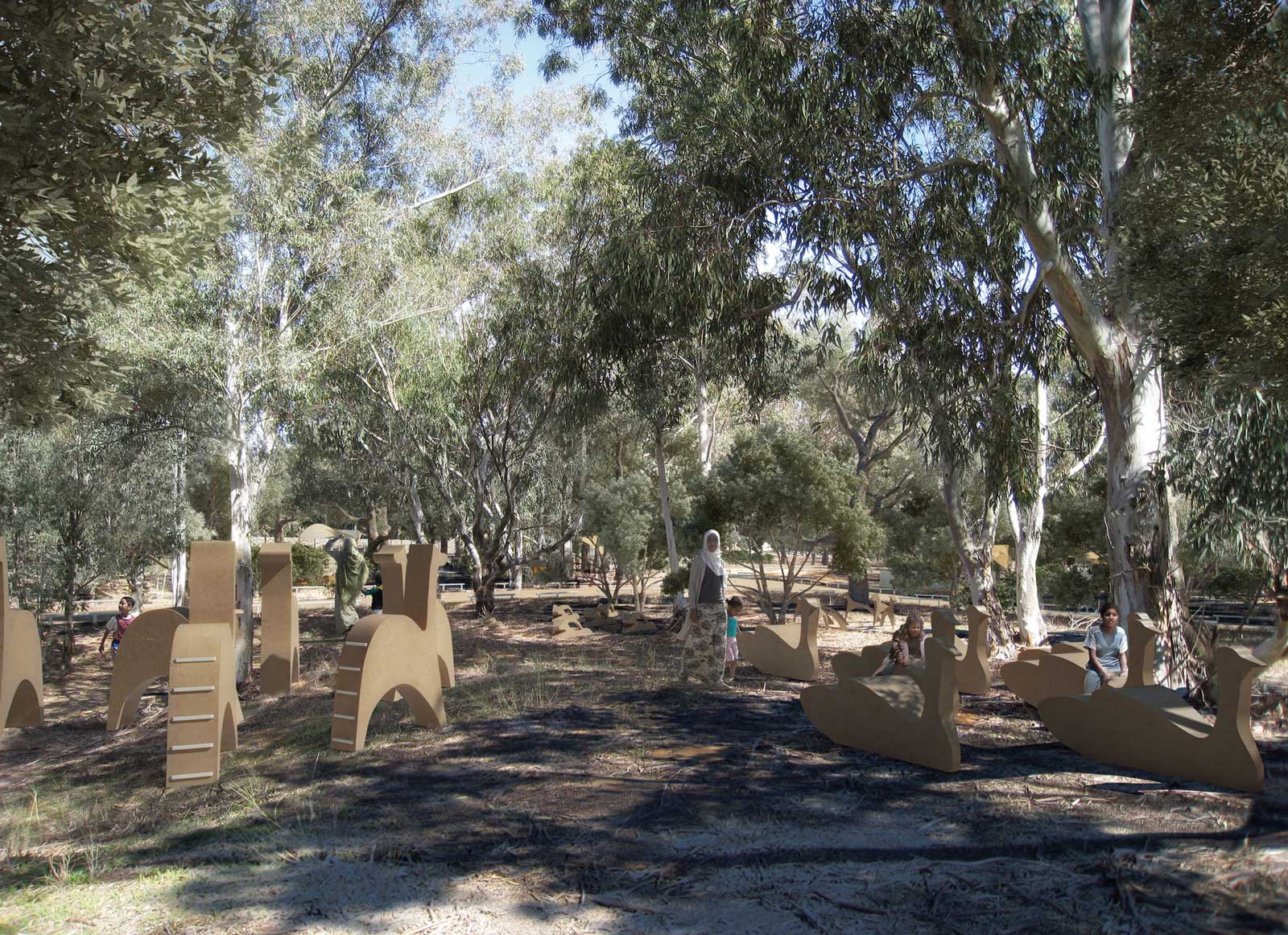
Playgrounds:
- Designed for children aged 2-12, offering both traditional play structures and innovative tree-climbing activities.
- A health trail promotes physical activity and engagement with nature.
Picnic Area:
- Equipped with shaded tables and benches, creating private family spaces for outdoor dining and relaxation.
Ecologically Sensitive Areas:
Footpaths and Trails:
- A network of trails designed with varying lengths and difficulties guides visitors through:
Initiation Zones: Gentle paths for newcomers to explore nature.
Contemplation Zones: Quiet areas encouraging reflection.
Revelation Zones: Trails revealing scenic views and hidden gems.
Emotion Zones: Paths that evoke a deep connection to nature.
Wildlife Observatories:
- Strategically placed observatories offer educational insights into local flora and fauna without disturbing their habitats.
- Information points provide context on Libya’s biodiversity and conservation efforts.
Infrastructure and Sustainability
Al-Gowea National Park is a model for sustainable development, integrating advanced systems to minimize environmental impact:
Water Management:
- Rainwater collection and filtration systems ensure efficient water usage for irrigation and sanitary facilities.
Energy:
- Solar panels power park facilities, emphasizing renewable energy and reducing reliance on fossil fuels.
Eco-Friendly Construction:
- Small buildings and observation points are constructed using sustainable materials, blending seamlessly with the natural environment.
Detailed Area Breakdown
Camping Area:
- 48 camping spots.
- Four shared facilities for water, showers, and toilets, strategically distributed for accessibility.
Parking:
- 820 parking spaces, including spaces for 5 buses and a 5% allocation for individuals with disabilities.
Cultural Oasis:
- Reception and shop.
- Library.
- Restaurant with kitchen, storage, and refrigeration.
- Mosque.
- Public toilets.
Ecological Trails and Observatories:
- Footpaths connect key zones and observatories, ensuring visitors engage with nature while preserving sensitive areas.
Ecological and Educational Impact
Al-Gowea National Park is designed to restore local ecosystems and foster environmental awareness:
Habitat Restoration:
- Planting native vegetation to support wildlife and combat soil erosion.
- Enhancing the natural regeneration of existing ecosystems.
Education and Awareness:
- Observation points and kiosks provide interactive learning experiences, educating visitors about Libya’s diverse flora and fauna.\
- The park encourages a deeper appreciation for nature, particularly among younger generations, through its playgrounds and cultural activities.
Conclusion
Al-Gowea National Park is a pioneering project that exemplifies the balance between recreation and conservation. By carefully zoning areas based on ecological sensitivity and incorporating sustainable practices, the park offers a space where visitors can enjoy nature while ensuring its long-term preservation. As a vital recreational and educational resource, the park not only enriches the lives of its visitors but also serves as a model for sustainable park management in Libya and beyond.